
- Hospital Furniture
- Neonatal Care Product
- Operating Surgical Tables
- Orthopedic Implants
- Surgical Operating Led Lights
- Orthopedic External Fixators
- Laryngoscopes
- Orthopaedic Power Tools
- Medical Disposables
- Hospital Clothing
- Anaesthesia Products
- Autoclaves & Sterilizers
- Hospital Holloware
- Suction Units
- Rehabilitation Aids
- Stethoscopes
- Anesthesia Machine & Ventilators
- Cold Chain Equipment
- Electro Medical Equipments
- Orthopedic Instruments
- Surgical Operating Led Lights
- Physiotherapy products
2026 Best Heparin Tubes for Blood Collection?
Choosing the best Heparin Tubes for blood collection in 2026 requires more than comparing prices or colorful labels. Tube performance can influence plasma quality, turnaround time, and downstream test accuracy. A reliable choice should match the laboratory’s test menu, analyzer requirements, sample volume, and collection workflow.
This guide examines lithium heparin and sodium heparin options, including tube materials, additive consistency, fill volume, separator gel, and clot-free plasma recovery. It also considers practical details, such as barcode readability, cap security, storage conditions, and how easily staff can identify tubes under bright laboratory lighting. Small details matter.
Experienced phlebotomy teams know that collection technique affects results as much as tube design. Correct order of draw, gentle inversion, timely mixing, and proper transport remain essential. Manufacturer instructions and current laboratory standards should always guide final decisions. No single tube is ideal for every department, patient group, or testing platform.
Some comparisons may appear straightforward, but real-world performance can vary between batches and facilities. Even experienced professionals may overlook temperature exposure or underfilled specimens. That deserves attention. This review therefore focuses on evidence, documented specifications, user experience, and realistic laboratory needs. It does not promise a perfect ranking. Instead, it helps laboratories ask better questions before selecting Heparin Tubes for routine chemistry, urgent testing, and specialized plasma applications in 2026.
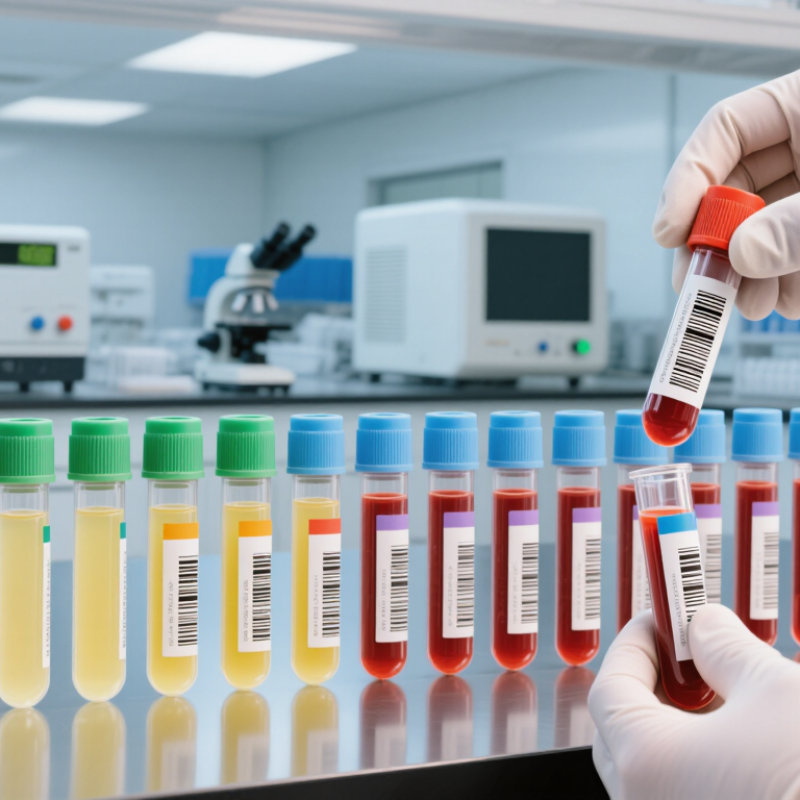
Table of Contents [Hide]
Heparin Blood Collection Tubes: Purpose, Types, and Applications
Heparin Blood Collection Tubes: Purpose, Types, and Applications
Heparin tubes help produce plasma by stopping blood from clotting after collection. Heparin activates antithrombin, which reduces thrombin activity and fibrin formation. This makes the sample useful when laboratories need rapid plasma testing. Common applications include clinical chemistry, electrolyte measurement, urgent-care panels, and selected blood gas procedures. Results still depend on correct collection.
Several heparin tube types serve different needs. Lithium heparin is widely used for routine plasma chemistry, while sodium heparin may influence sodium measurements. Ammonium heparin is less common and requires laboratory approval. Gel separator tubes contain a barrier that supports cleaner plasma separation after centrifugation. Balanced heparin products are designed for blood gas analysis, where small anticoagulant differences can affect results.
Handling matters as much as tube selection. Gently invert the tube according to the laboratory’s instructions; shaking can damage cells and alter potassium results. Fill the tube properly, especially when testing requires a controlled blood-to-additive ratio. Do not use heparin tubes for standard coagulation studies unless the procedure specifically allows them. Some immunoassays and trace-element tests may also require another tube type.
The practical choice is rarely perfect. A convenient tube can still create interference. I would check the test menu, additive concentration, specimen volume, storage time, and local validation records before changing collection supplies. One overlooked detail can become a misleading result.


