2026 Best Hospital Medical Equipment Innovations for Patient Care?
The landscape of healthcare is evolving rapidly. Innovations in hospital medical equipment are at the forefront of this change. Hospitals are now equipped with cutting-edge tools that enhance patient care, improve outcomes, and streamline operations.
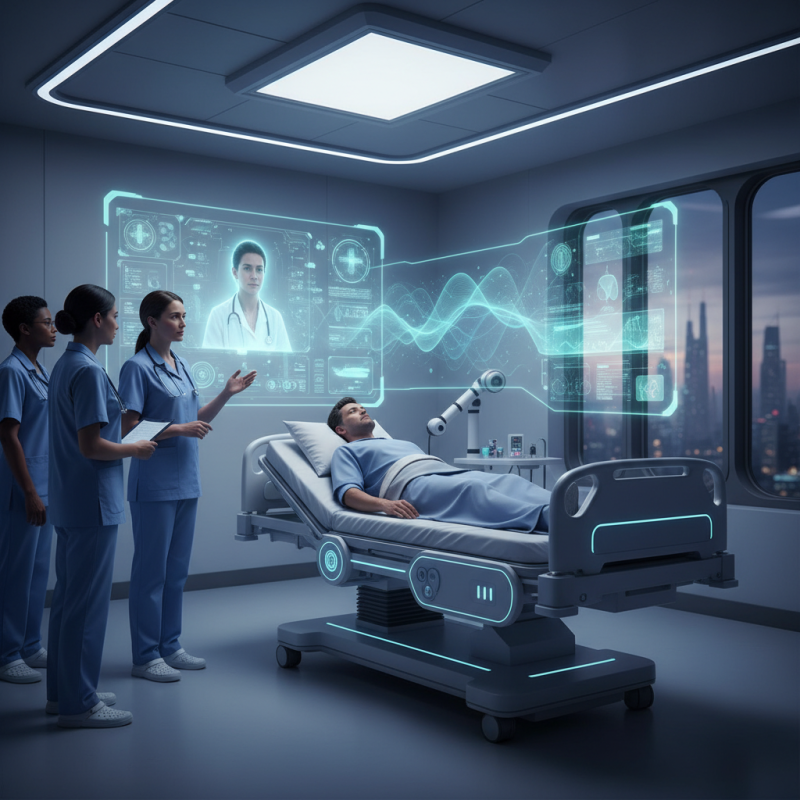
With advancements in artificial intelligence, imaging devices, and telemedicine technologies, patients benefit from more precise diagnoses and personalized treatments. For instance, smart beds can monitor vital signs, alerting staff to potential issues before they escalate. Such innovations reflect a commitment to patient safety and comfort.
However, despite these advancements, challenges remain. Not all hospitals can afford the latest technology, raising questions about equity in patient care. Some innovations, while promising, may require more research and implementation time before they can be deemed effective. The future of hospital medical equipment must address these concerns to truly enhance patient care.
Emerging Technologies in Medical Equipment for Enhanced Patient Care
Emerging technologies in medical equipment are reshaping patient care. In 2026, innovations focus on precision, accessibility, and efficiency. For instance, telehealth equipment has become vital. A report from the Healthcare Information and Management Systems Society indicates that telehealth use surged by 38% over the past year. This shift shows how technology bridges gaps between patients and healthcare providers.
Wearable health devices also play a crucial role in patient monitoring. A recent analysis found that the global wearable medical device market is expected to grow by over 25% in the next five years. Patients can gain real-time insights into their health. However, reliance on these devices can raise concerns about data security and accuracy. The effectiveness of trends like remote monitoring is often questioned, pointing to the need for rigorous validation.
Moreover, artificial intelligence is revolutionizing diagnostics. AI systems can analyze medical images faster than human professionals, increasing diagnostic accuracy significantly. Yet, debates arise over the potential biases in AI algorithms, which could impact patient care. As these technologies advance, healthcare must address the ethical implications involved. Technology has great potential, but we must ensure it serves all patients equitably.
2026 Best Hospital Medical Equipment Innovations for Patient Care
This chart showcases the innovations in medical equipment aimed at enhancing patient care through various dimensions, including efficiency, safety, and technology adoption rates.
Advancements in Imaging Devices: Improving Diagnosis and Treatment Outcomes
Imaging devices have evolved remarkably in recent years. They play a crucial role in diagnosing diseases accurately. Advanced technologies, like AI in imaging, enable quicker and more precise evaluations. Radiologists can now detect issues that may have been missed in traditional scans. This enhances the chances of effective treatment.
However, these innovations are not without challenges. High costs can limit access for smaller facilities. Not every hospital can afford the latest technology. Additionally, as machines become more complex, training is essential. Staff must stay updated on new features and systems. Without proper education, the advantages of advanced devices may not be realized.
Moreover, the integration of these technologies raises questions about data security. As imaging devices become more connected, they often store sensitive patient information. Proper protocols need to be in place to protect this data. Failing to address these issues can undermine patient trust and care quality. Emphasizing both innovation and responsibility will result in better patient outcomes.
Smart Monitoring Systems: Revolutionizing Patient Surveillance and Safety
In recent years, smart monitoring systems have transformed patient surveillance and safety. These technologies allow healthcare providers to track patients' vital signs in real-time. They can alert staff to any anomalies, potentially preventing critical situations. Continuous monitoring empowers doctors to make faster decisions, ensuring timely interventions.
However, the reliance on these systems raises questions. They can create an overwhelming amount of data. Medical staff must possess the skills to analyze this information effectively. If not, crucial signals could be missed. Integration of smart systems requires ongoing training and adjustment to workflows. This can initially disrupt established routines and lead to resistance among staff.
Patients also need reassurance about data privacy. Implementing these systems can be seen as invasive by some. Transparency in how data is used is essential for building trust. Thoughtful communication about these technologies can mitigate fears. Balancing innovation and patient comfort remains a challenge for healthcare facilities.
2026 Best Hospital Medical Equipment Innovations for Patient Care
| Innovation |
Description |
Key Features |
Impact on Patient Care |
| Smart Wearable Monitors |
Devices that continuously track vital signs. |
Real-time data, remote monitoring, alerts for abnormalities. |
Enhances early detection of health issues and reduces hospital readmissions. |
| AI-powered Surveillance Systems |
Intelligent systems that analyze patient behavior and conditions. |
Behavior detection, fall risk assessment, crowd monitoring. |
Minimizes accidents and improves response times for patient needs. |
| Telehealth Equipment |
Devices that facilitate remote consultations between patients and providers. |
High-quality video, secure connections, easy-to-use interfaces. |
Expands access to care, especially for rural and underserved populations. |
| Smart Patient Beds |
Beds equipped with sensors to monitor patient movements and vital signs. |
Adjustable positioning, automatic alerts, pressure sensors. |
Improves comfort, reduces pressure sores, and enhances safety. |
| Integrated Medication Management Systems |
Systems that track and manage patient medication regimes. |
Automated scheduling, alerts for interactions, easy tracking. |
Reduces medication errors and ensures compliance. |
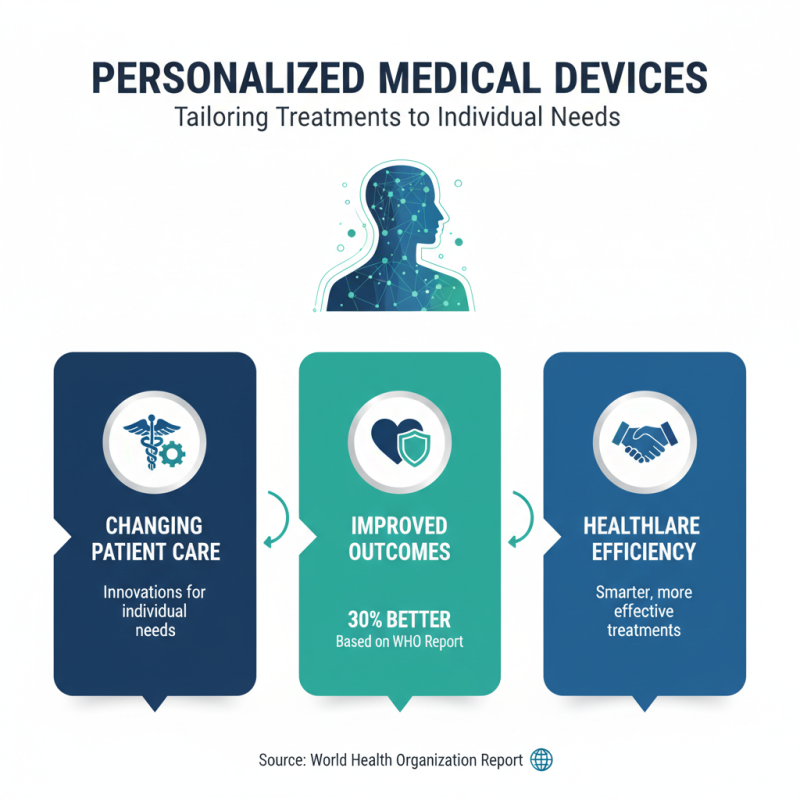
Personalized Medical Devices: Tailoring Treatments to Individual Needs
Personalized medical devices are changing patient care dramatically. These innovations focus on tailoring treatments to fit individual needs. A recent report from the World Health Organization indicates that personalized approaches can improve patient outcomes by 30%. This is significant as healthcare systems strive to enhance efficiency and efficacy.
Data from the National Institutes of Health supports this. It shows that patients receiving customized devices have better adherence to treatment. For instance, wearable devices can monitor real-time health metrics, such as heart rate and glucose levels. These metrics are unique to each patient, allowing for timely interventions.
However, challenges remain in the implementation of these technologies. Not all patients have equal access to personalized devices. Disparities in technology adoption can widen the gap in healthcare quality. Additionally, there is a risk of over-reliance on these tools. Balancing innovation with traditional methods is essential to ensure comprehensive patient care.
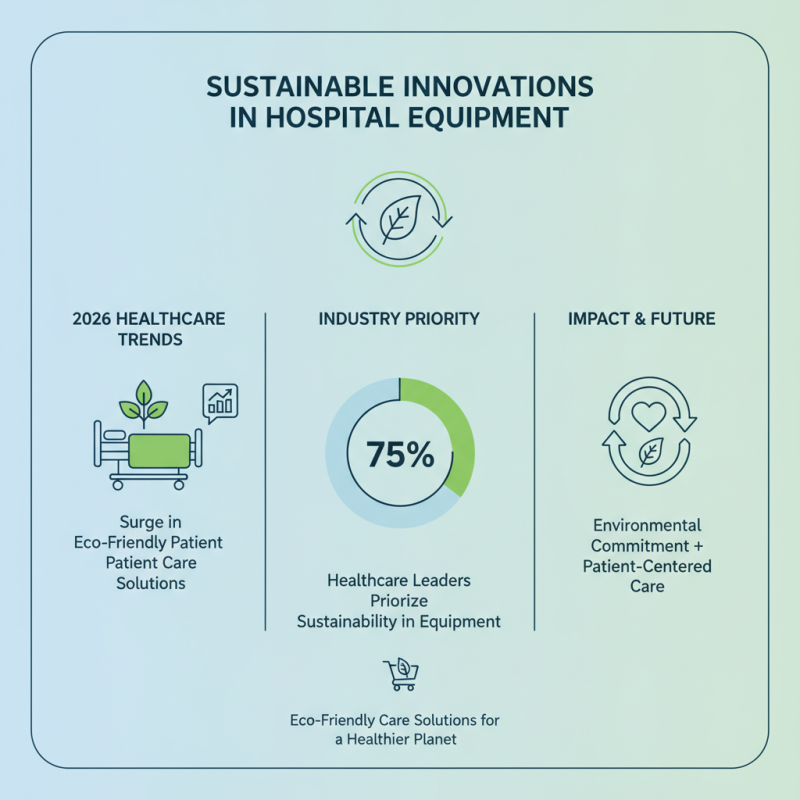
Sustainable Innovations in Hospital Equipment for Eco-Friendly Care Solutions
In 2026, the healthcare industry is witnessing a surge in sustainable innovations aimed at enhancing patient care. Hospitals increasingly recognize the importance of eco-friendly solutions. According to a recent industry report, 75% of healthcare leaders prioritize sustainability in their equipment purchasing decisions. This trend not only reflects a commitment to the environment but also highlights a shift towards patient-centered care.
One notable area of innovation is energy-efficient medical devices. These devices consume significantly less energy, reducing operational costs. Moreover, advancements in the design of surgical tools have led to the use of materials that are both biodegradable and highly effective. However, despite these advancements, challenges remain. Integrating sustainable practices into existing hospital infrastructures is complex and often met with resistance from traditional practices. For example, some medical staff express concerns over the reliability of new, eco-friendly equipment.
Also, telehealth solutions continue to evolve. They provide accessible care while minimizing the carbon footprint associated with patient transport. Yet, the digital divide in access to technology poses a significant barrier to equitable care. Ensuring that all patients can benefit from these innovations requires ongoing efforts from healthcare providers. Balancing sustainability with the need for effective patient outcomes is essential, but it often leads to difficult conversations within the industry.