- Hospital Furniture
- Neonatal Care Product
- Operating Surgical Tables
- Orthopedic Implants
- Surgical Operating Led Lights
- Orthopedic External Fixators
- Laryngoscopes
- Orthopaedic Power Tools
- Medical Disposables
- Hospital Clothing
- Anaesthesia Products
- Autoclaves & Sterilizers
- Hospital Holloware
- Suction Units
- Rehabilitation Aids
- Stethoscopes
- Anesthesia Machine & Ventilators
- Cold Chain Equipment
- Electro Medical Equipments
- Orthopedic Instruments
- Surgical Operating Led Lights
- Physiotherapy products
2026 Top Care Equipment Trends for Better Health and Wellbeing?
In the evolving landscape of healthcare, understanding care equipment trends is crucial for enhancing health and wellbeing. Dr. Alice Thompson, a leading expert in medical technology, once stated, "Innovative care equipment is the backbone of effective patient support." This perspective highlights the increasing importance of advancements in this sector.
As we approach 2026, several trends are emerging that promise to reshape how care equipment is utilized. Devices that promote independent living are gaining popularity. Smart home technologies are revolutionizing how we approach patient care, enabling better monitoring and response. Wearable health trackers provide real-time data, facilitating proactive health management.
Furthermore, the integration of artificial intelligence in care equipment opens new avenues for personalized treatment. However, the rapid advancement of technology necessitates ongoing education and adaptability among health professionals. It raises questions about accessibility and training in utilizing these tools effectively. As we explore these trends, we must reflect on their implications for both caregivers and patients alike.
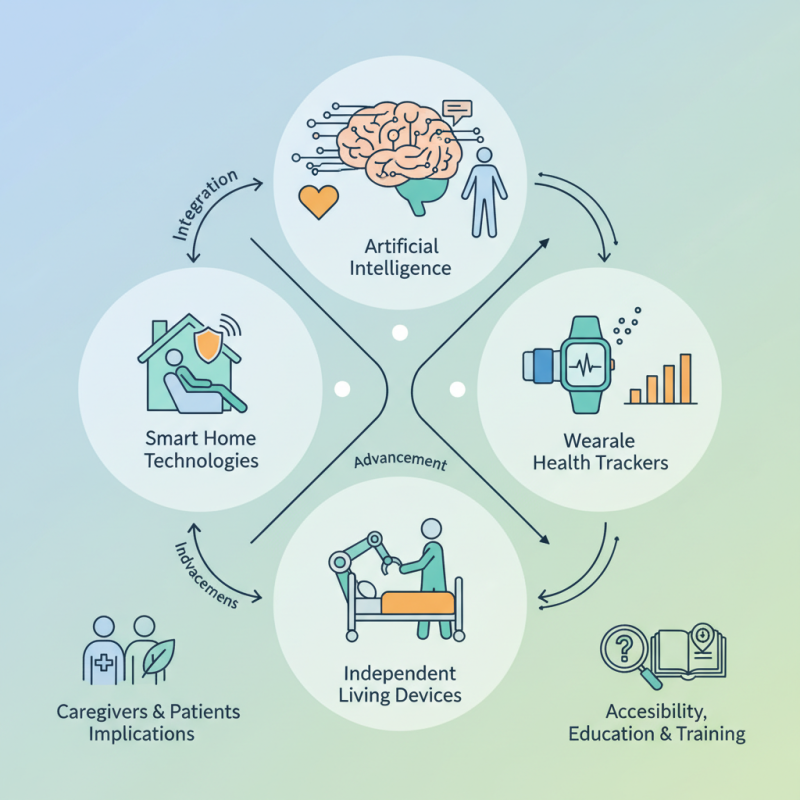
Table of Contents
[Hide]
Emerging Technologies in Care Equipment for Enhanced Health
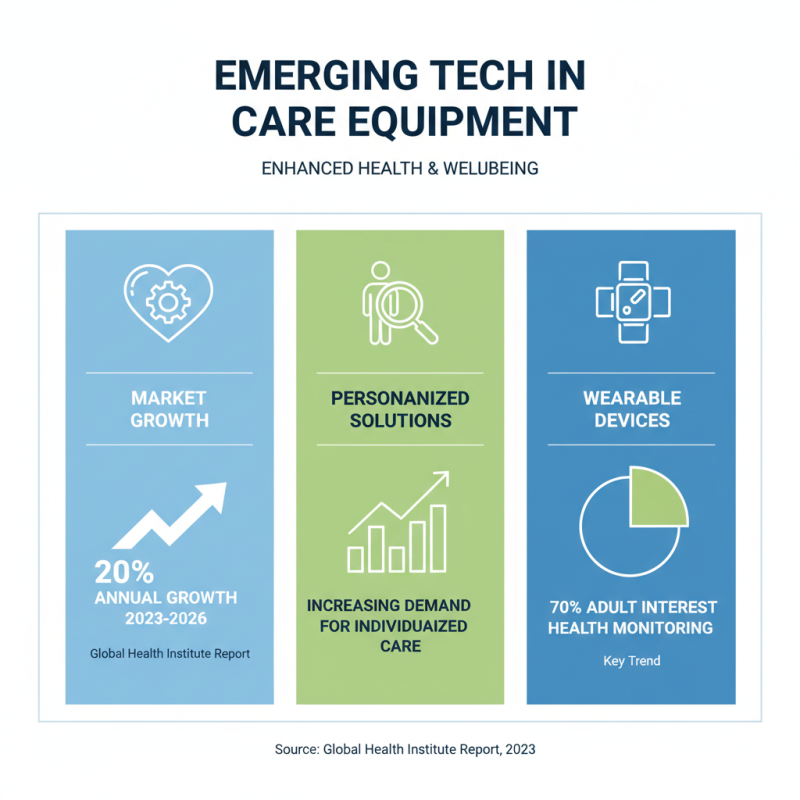
Emerging technologies in care equipment are reshaping the landscape of health and wellbeing. According to a recent report by the Global Health Institute, the market for innovative care equipment is expected to grow by 20% annually from 2023 to 2026. This rapid growth highlights the increasing demand for personalized health solutions. Wearable devices play a central role in this trend, with nearly 70% of adults expressing interest in monitoring their health through such technology.
Smart devices are evolving to collect vital health data seamlessly. These devices can detect irregularities in heart rate and sleep patterns. A notable statistic is that 45% of users reported improved health outcomes after using smart health monitors. The integration of AI in care equipment offers more advanced analytics, enabling users to make informed decisions about their health. Yet, the challenge remains significant: data privacy issues and inaccurate readings can lead to misunderstandings or anxiety among users.
Moreover, telehealth solutions have surged, especially since the pandemic. A study by the Health Technology Association reveals that 50% of patients prefer virtual consultations. This trend raises questions about the effectiveness of remote care. While 80% of healthcare providers report satisfaction with telehealth, patient engagement can still be inconsistent. Addressing these gaps is crucial for enhancing overall health outcomes in the coming years.