
- Hospital Furniture
- Neonatal Care Product
- Operating Surgical Tables
- Orthopedic Implants
- Surgical Operating Led Lights
- Orthopedic External Fixators
- Laryngoscopes
- Orthopaedic Power Tools
- Medical Disposables
- Hospital Clothing
- Anaesthesia Products
- Autoclaves & Sterilizers
- Hospital Holloware
- Suction Units
- Rehabilitation Aids
- Stethoscopes
- Anesthesia Machine & Ventilators
- Cold Chain Equipment
- Electro Medical Equipments
- Orthopedic Instruments
- Surgical Operating Led Lights
- Physiotherapy products
2026 Best Inositol Powder Suppliers for Global Buyers
Choosing the right Inositol Powder supplier in 2026 requires more than comparing prices or reading polished website claims. Global buyers need dependable quality, clear documentation, stable production, and practical export support. A reliable supplier should provide batch-specific certificates of analysis, verified identity testing, assay results, microbiological data, and heavy-metal screening.
Nutrition scientist Dr. Parris Kidd has described inositol as “a naturally occurring compound involved in cellular signaling.” This perspective matters when evaluating product quality. Inositol Powder is not simply a white powder in a sealed bag. Particle size, moisture control, purity, solubility, packaging, and storage conditions can influence its handling and performance. Small details matter.
Look closely.
The best suppliers usually explain their manufacturing process, quality systems, and traceability standards. They should also clarify whether production follows recognized GMP principles and whether the documentation supports the destination market’s requirements. Reliable communication is equally important. Buyers need realistic lead times, transparent minimum order quantities, sample policies, and responsive technical support.
Not every impressive supplier is equally dependable. A beautiful website cannot replace independent testing or consistent batch records. Some suppliers may also present incomplete information, which deserves careful review. This guide compares leading Inositol Powder suppliers through a practical buyer’s lens, including quality assurance, customization, pricing, packaging, logistics, and global service capability.
There is no perfect supplier.
A strong choice depends on the buyer’s application, volume, market, and risk tolerance. Even experienced purchasing teams can overlook small inconsistencies. Therefore, this 2026 supplier overview combines technical evaluation with real-world considerations, helping importers, manufacturers, and distributors make more informed decisions.
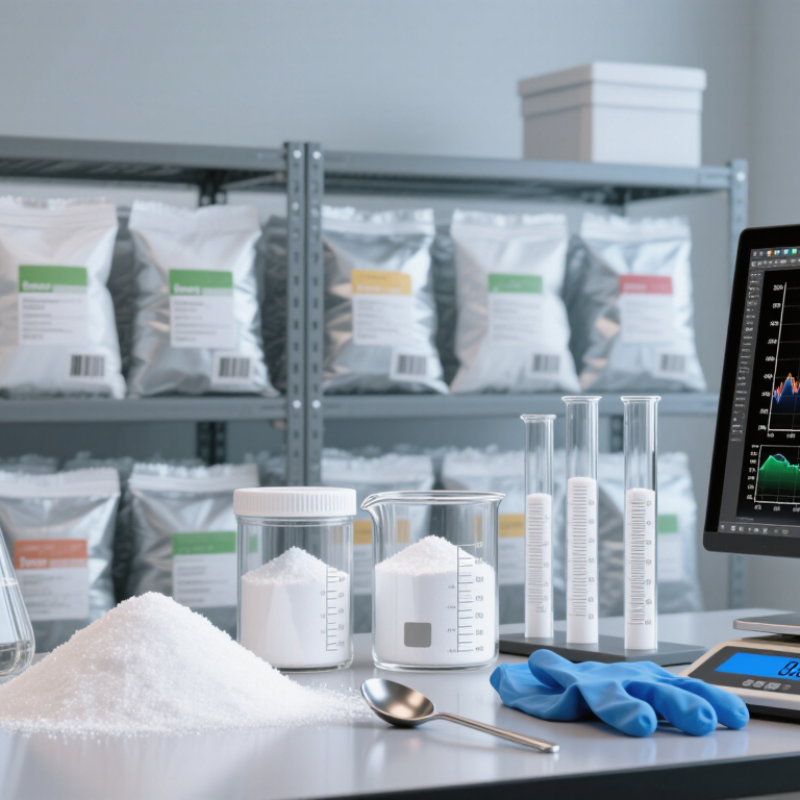
Table of Contents [Hide]
What Is Inositol Powder and Why Does Supplier Selection Matter?
Inositol powder is a naturally occurring carbohydrate-like compound used in dietary supplements, functional foods, and formulation research. It is often called vitamin B8, although it is not officially classified as a vitamin. The powder usually appears white and fine, but particle size, moisture, and solubility can vary between lots. These details influence blending, filling, and finished-product consistency.
Supplier selection matters because a specification sheet alone cannot prove dependable quality. Experienced global buyers should review the certificate of analysis, manufacturing location, batch traceability, allergen statement, and contaminant testing. Reliable suppliers can explain their testing methods and provide representative samples before larger orders. They should also understand export documents, packaging protection, and destination-market requirements. A sealed bag is not enough. Poor moisture control may cause clumping during storage or transport. That problem can increase waste and slow production.
Tips: Ask whether testing is performed internally or by an independent laboratory. Confirm assay results, heavy-metal limits, microbiological standards, shelf life, and recommended storage conditions. Compare the sample with the stated specification after several weeks, not only on arrival. Communication speed also matters when a batch raises questions. Price remains important, but it should not replace verification. I have seen simple purchasing checks reveal unclear documents and inconsistent technical answers. That is a useful warning, though not every documentation gap signals poor material. Buyers should investigate carefully, record their findings, and avoid assumptions.


