2026 Top Medical Implants Innovations You Need to Know?
As we approach 2026, the field of medical implants continues to evolve rapidly. Innovative designs and advanced materials are transforming patient care. Medical implants play a crucial role in enhancing quality of life for millions. They help restore function and improve health outcomes.
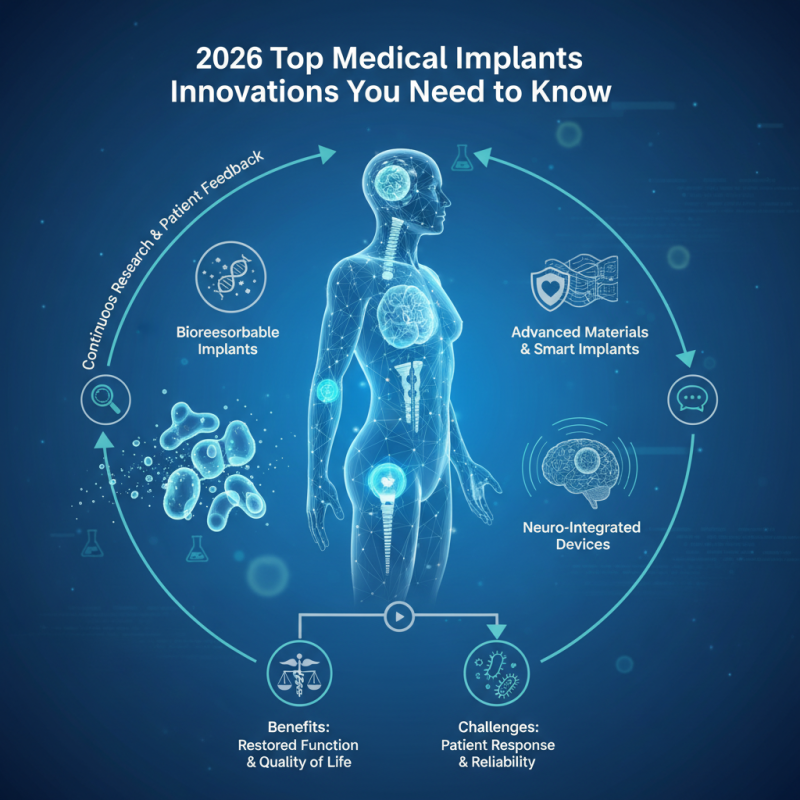
Recent breakthroughs showcase how technology is reshaping the landscape of medical implants. For instance, bioresorbable implants are gaining attention. These temporary devices offer effective healing without the long-term presence of traditional options. However, they also raise questions about reliability over time.
While innovations are promising, challenges remain. Not all patients respond positively to medical implants. The effectiveness of these devices can vary greatly. Therefore, continuous research and patient feedback are essential. Understanding both benefits and limitations ensures better health solutions for the future. As we explore these innovations, let's consider the journey ahead in the realm of medical implants.
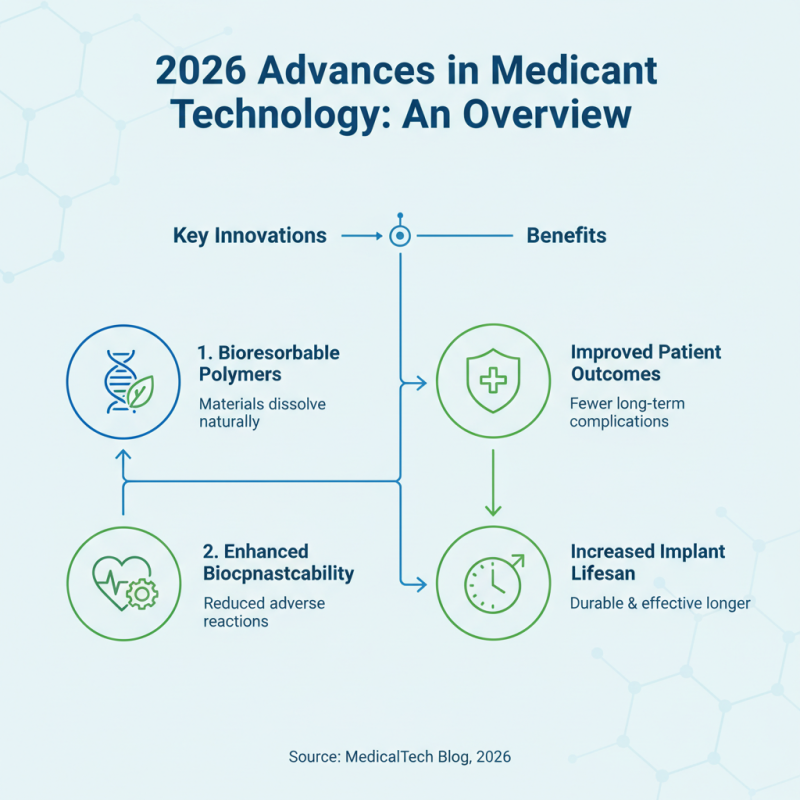
2026 Advances in Medical Implant Technology: An Overview
The landscape of medical implant technology is rapidly evolving. In 2026, several key innovations stand out. These advancements aim to enhance patient outcomes and increase the lifespan of medical implants. New materials, such as bioresorbable polymers, show promise in improving biocompatibility. These materials can dissolve in the body, reducing the risk of long-term complications.
Another significant development is the integration of smart technology into medical implants. Sensors embedded in implants can monitor physiological conditions in real-time. This feature allows doctors to collect data and make informed decisions about patient care. However, the implementation of such technology raises questions about data privacy and security, which must be addressed.
Additionally, 3D printing technology continues to revolutionize implant production. Custom-fitted implants tailored to individual patient anatomy can improve surgical outcomes. Yet, potential challenges remain in the standardization and regulation of these advanced manufacturing processes. As we look ahead, continuing to evaluate these technologies is essential, balancing innovation with safety and efficacy.
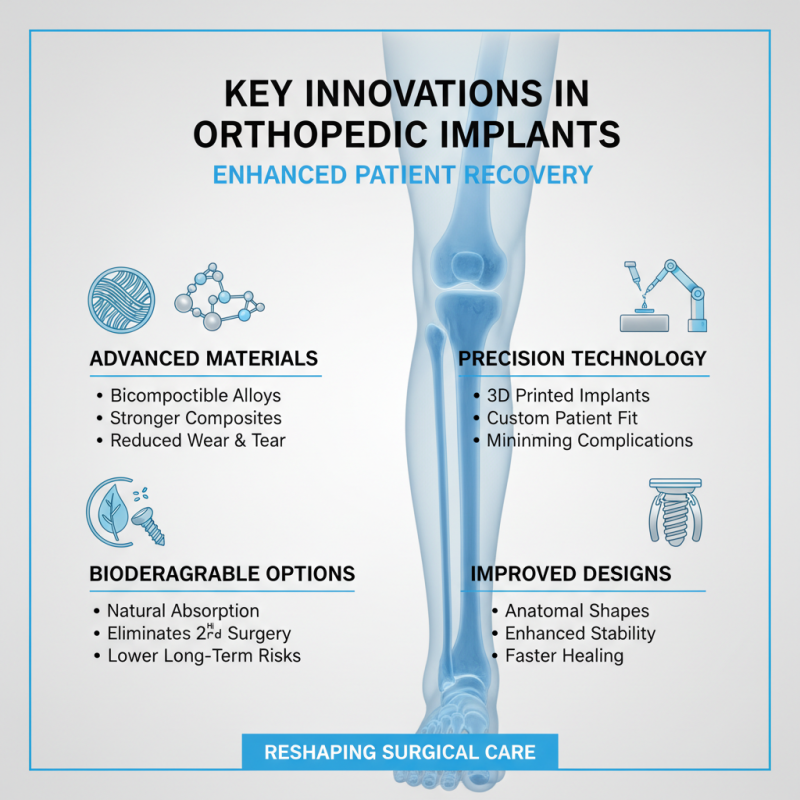
Key Innovations in Orthopedic Implants for Enhanced Patient Recovery
Orthopedic implants are evolving rapidly. Innovations in materials and technology are enhancing recovery for patients. These advancements are reshaping surgical practices and postoperative care. New implant designs allow for a more precise fit, reducing complications. Biodegradable options are gaining attention, as they minimize long-term risks.
When choosing an orthopedic implant, consider these tips: Discuss options with your surgeon. Ensure the implant suits your lifestyle. Understand potential risks and benefits fully. The integration of smart technologies into implants is a game changer. These devices can monitor healing, providing real-time data to healthcare providers.
Some innovations, however, are not without flaws. New materials may not always align with existing body chemistry, leading to allergic reactions. Ongoing studies are essential to address these issues. Keeping abreast of emerging technologies will empower patients to make informed decisions. The goal is to enhance recovery and improve quality of life, ensuring a more robust future for orthopedic care.
Cutting-Edge Cardiac Implants: Improving Heart Health and Longevity
Cutting-edge cardiac implants are revolutionizing heart health and longevity. According to the American Heart Association, heart disease remains the leading cause of death globally. Innovations like bioresorbable stents and implantable cardiac monitors are making significant impacts. These devices can reduce the need for invasive procedures while enhancing patient monitoring and outcomes.
Recent studies show that bioresorbable stents can decrease the risk of long-term complications, such as restenosis. Patients experience less discomfort and faster recovery times. Implantable cardiac monitors now provide real-time data, allowing cardiologists to make informed decisions. This technology ensures that irregular heart rhythms can be detected and treated early, improving survival rates.
Tip: Keep a journal of your heart health. Document symptoms and changes in your condition. This can support better communication with your healthcare provider.
Nonetheless, challenges remain. The cost of advanced implants can be prohibitive for many patients. Access to these technologies varies by location and healthcare systems. It's crucial for healthcare providers to advocate for equitable access to these life-enhancing innovations.
Tip: Stay informed about new technologies. Engage in discussions with healthcare professionals about the latest developments in cardiac care.
Neuroprosthetics: Revolutionizing Treatment for Paralysis and Chronic Pain
Neuroprosthetics are changing the landscape of medical treatment. These advanced devices bridge the gap between the nervous system and mechanical systems. They offer hope to those suffering from paralysis and chronic pain. Imagine a world where individuals regain control over their movements. Neuroprosthetics are not just a dream; they are becoming a reality.
Clinical trials show promising results. Participants report improved functionality and reduced pain levels. However, these technologies come with challenges. Not all patients respond the same way. The integration with the nervous system can be complicated. Each person’s body reacts differently, and scientists continue to refine these devices.
The journey of neuroprosthetics is filled with potential but also uncertainty. Ethical considerations around accessibility and long-term effects remain. Researchers are actively addressing these concerns. Continued innovation is essential, but it's vital to ensure these breakthroughs serve everyone effectively. As the field evolves, the conversations around its implications will become increasingly important.
Biocompatible Materials: Enhancing Safety and Efficacy of Implants in 2026
In 2026, the landscape of medical implants evolves with biocompatible materials at its forefront. These materials are designed to interact favorably with the human body. They minimize rejection rates and enhance patient safety. Innovations in this area focus on utilizing polymers, ceramics, and metals that the body accepts. This acceptance reduces the risk of inflammation and infection.
Recent studies highlight the potential of hydrogel-based implants. They mimic human tissue properties, offering superior support. These implants can conform to different body shapes. They show promise in orthopedic and dental applications. However, challenges remain. Not all patients respond the same way, and materials can degrade over time. Researchers are working to improve longevity and effectiveness.
The journey of biocompatible materials is not flawless. Continuous testing reveals issues that require attention. There are still questions about long-term effects on specific populations. Feedback from medical professionals is crucial for future developments. Only through collaboration can we address these concerns and push for safer, more effective implants.
2026 Top Medical Implants Innovations You Need to Know
| Implant Type |
Biocompatible Material |
Safety Features |
Efficacy Enhancements |
Regulatory Approval Status |
| Hip Implant |
PEEK (Polyether Ether Ketone) |
Low rejection rate |
Enhanced load distribution |
Approved |
| Dental Implant |
Titanium Alloys |
Antimicrobial properties |
Improved osseointegration |
Approved |
| Cardiac Stent |
Bioresorbable Polymers |
Reduced long-term complications |
Gradual drug release mechanism |
Approved |
| Orthopedic Rod |
Magnesium Alloys |
Biodegradable |
Promotes natural healing |
Pending |
| Spinal Implant |
CFR-PEEK |
High flexibility |
Reduced implant wear |
Approved |