
- Hospital Furniture
- Neonatal Care Product
- Operating Surgical Tables
- Orthopedic Implants
- Surgical Operating Led Lights
- Orthopedic External Fixators
- Laryngoscopes
- Orthopaedic Power Tools
- Medical Disposables
- Hospital Clothing
- Anaesthesia Products
- Autoclaves & Sterilizers
- Hospital Holloware
- Suction Units
- Rehabilitation Aids
- Stethoscopes
- Anesthesia Machine & Ventilators
- Cold Chain Equipment
- Electro Medical Equipments
- Orthopedic Instruments
- Surgical Operating Led Lights
- Physiotherapy products
7 Best Dog Barking Devices for Global Buyers
Choosing the right Dog Barking Device requires more than comparing prices or counting customer reviews. Dogs bark for different reasons, including fear, boredom, territorial behavior, pain, and excitement. A device that helps one calm dog may confuse another. It may also fail completely.
Veterinarian and animal behaviorist Dr. Ian Dunbar has said, “Barking is a normal and natural behavior for dogs.” That reminder should guide every buying decision. Responsible owners should reduce excessive barking without trying to silence normal communication. Training, exercise, veterinary checks, and environmental changes should remain part of the solution.
This guide reviews seven Dog Barking Device options for global buyers. It considers sound, vibration, citronella, and smart monitoring technologies. Each option is examined for range, sensitivity, battery life, weather resistance, comfort, and ease of adjustment. International shoppers should also check shipping restrictions, warranty support, local animal-welfare expectations, and product instructions.
A small garden, a busy apartment, and a rural property create different needs. A microphone may react to traffic or a neighbor’s dog. A vibration setting may suit some dogs, but not every temperament. No device is perfect. That is worth admitting.
The safest products use gradual settings and discourage punishment-based use. Owners should monitor the dog’s body language, including tucked tails, pacing, hiding, or repeated scratching. These signs suggest stress, not successful training. Used carefully, the right device can support a broader behavior plan instead of replacing it.
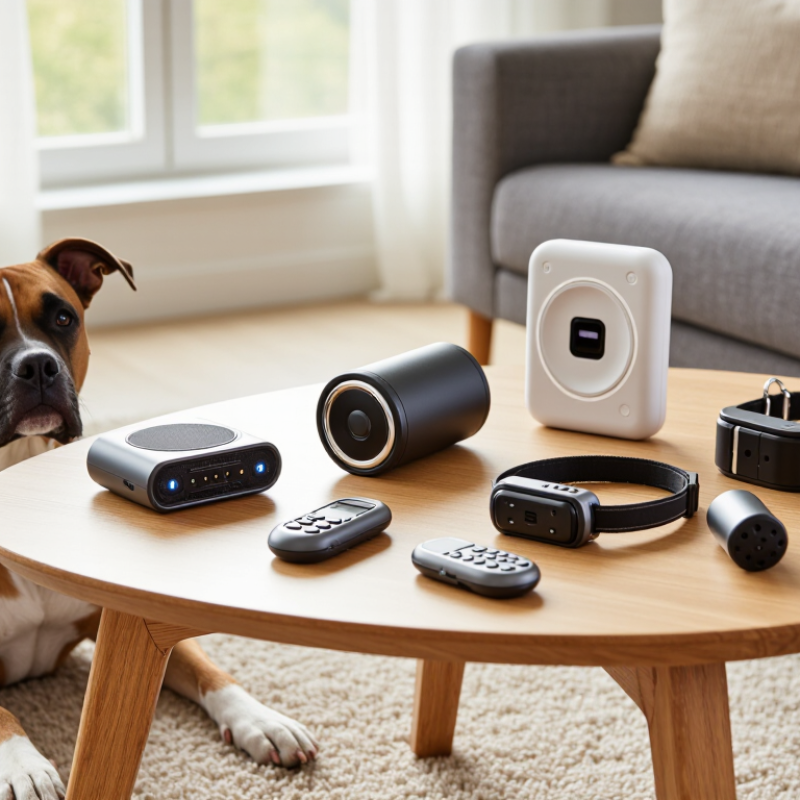
Table of Contents [Hide]
What Are Dog Barking Devices and How Do They Work?
Dog barking devices are tools designed to reduce repeated or nuisance barking. Common types include ultrasonic units, vibration collars, audible sound emitters, and controlled spray systems. Each uses a different signal to interrupt barking, rather than physically restraining the dog. Ultrasonic devices produce a high-frequency tone that most people barely hear. Vibration models create a brief pulse. Some outdoor units detect sound and respond automatically.
The basic process is simple: a microphone or sensor detects barking, then the device delivers a selected response. Effectiveness depends on distance, background noise, the dog’s hearing, and the reason for barking. A device may interrupt territorial barking, but it will not solve fear, boredom, pain, or separation distress. In practice, results are often uneven. Some dogs adapt quickly, while others become more anxious. That limitation deserves attention.
Tips: Choose adjustable intensity and test the lowest setting first. Avoid continuous activation. Place outdoor units away from rain and direct heat, and check battery or power compatibility for your region. Observe your dog’s body language, including tucked ears, pacing, or hiding. These signs suggest stress, not learning. Pair the device with exercise, quiet rewards, and calm training. If barking changes suddenly, consult a qualified veterinarian, since illness or discomfort can be overlooked. A humane device should support communication, not replace it.