- Hospital Furniture
- Neonatal Care Product
- Operating Surgical Tables
- Orthopedic Implants
- Surgical Operating Led Lights
- Orthopedic External Fixators
- Laryngoscopes
- Orthopaedic Power Tools
- Medical Disposables
- Hospital Clothing
- Anaesthesia Products
- Autoclaves & Sterilizers
- Hospital Holloware
- Suction Units
- Rehabilitation Aids
- Stethoscopes
- Anesthesia Machine & Ventilators
- Cold Chain Equipment
- Electro Medical Equipments
- Orthopedic Instruments
- Surgical Operating Led Lights
- Physiotherapy products
7 Best Bursting Tester Machines for Global Buyers
Choosing the right Bursting Tester Machine can influence product quality, shipping confidence, and customer trust. For global buyers, the decision involves more than comparing prices or display screens. Paperboard, corrugated boxes, textiles, and packaging films may require different testing methods, pressure ranges, and fixture designs. A reliable machine should deliver repeatable results under controlled conditions.
This guide reviews seven Bursting Tester Machines selected for practical international purchasing needs. We consider pressure accuracy, calibration support, sample handling, software usability, safety features, and after-sales service. We also examine whether each model suits laboratories, packaging plants, or high-volume production environments. Small details matter. A stable clamp can prevent sample slipping. A clear digital display can reduce reading errors. Accessible spare parts can shorten unexpected downtime.
Experience shows that no single machine fits every buyer. Some lower-cost models appear attractive but may lack detailed calibration records or responsive technical support. That weakness is easy to overlook. Imported equipment may also require careful checks for voltage, language settings, installation space, and local service availability. Buyers should verify technical claims through manuals, test reports, and supplier communication. Product names alone prove little.
The following comparison aims to support a more informed decision. It does not replace laboratory validation or professional advice. Instead, it highlights realistic strengths, limitations, and purchasing questions. A good Bursting Tester Machine should not merely produce numbers. It should produce results that operators can understand, repeat, and defend.
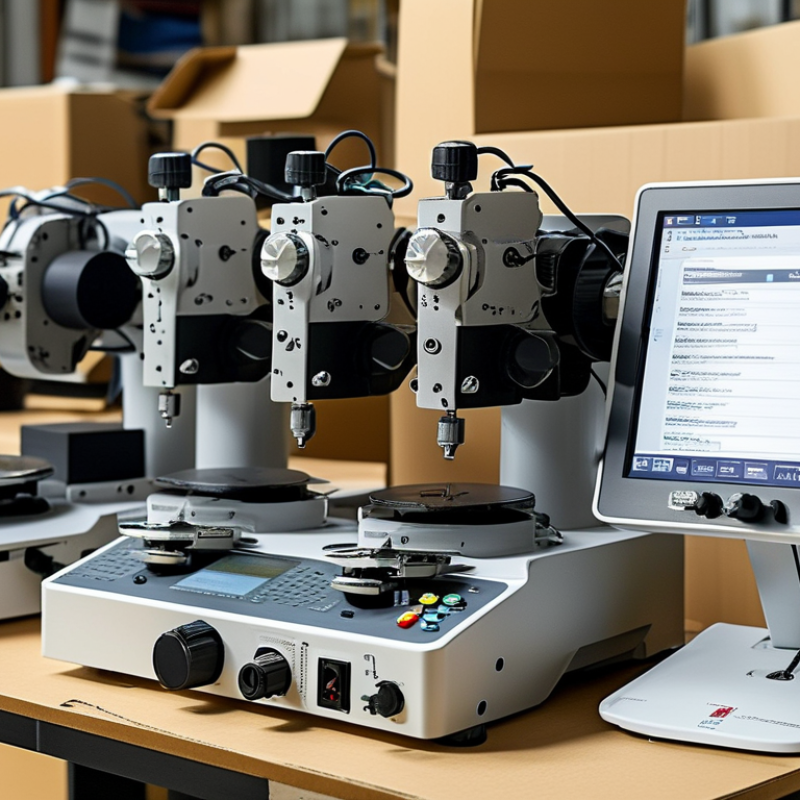
Table of Contents [Hide]
What Is a Bursting Tester Machine and How Does It Work?
What Is a Bursting Tester Machine and How Does It Work?
A bursting tester machine measures the pressure required to break paper, cardboard, films, textiles, or flexible packaging. It helps buyers compare material strength before production or shipment. The machine usually holds a test sample between two circular clamps. A rubber diaphragm then expands against the sample. Pressure rises until the material bursts. The recorded value shows its resistance at failure.
Modern models may use hydraulic or pneumatic pressure systems with digital sensors. The controller displays bursting pressure and may calculate related strength values. Accurate results depend on sample size, clamping force, pressure speed, and environmental conditions. Even small wrinkles can change the reading. In real testing, results are rarely perfectly neat. That is why repeated tests matter more than one impressive number.
Tips: Choose a tester with stable pressure control, clear data records, and simple calibration access. Check whether its test area suits your material thickness. Keep samples in a controlled temperature and humidity range before testing. Operators should inspect the diaphragm and clamps regularly. A rushed setup can produce misleading results, even with a well-built machine. Buyers should also confirm applicable testing standards and request service documentation. The most expensive option is not always the most reliable one.