Best Sports Brace Options for Active Lifestyles and Recovery?
In today's fast-paced world, maintaining an active lifestyle is essential for both physical and mental health. Many individuals, from casual athletes to fitness enthusiasts, often face injuries. This is where Sports Braces come into play. These supportive devices help athletes recover while minimizing the risk of future injuries.
Choosing the right sports brace can be overwhelming. With a plethora of options available, it’s crucial to understand what fits your specific needs. Factors like injury type and activity level are vital in making an informed decision. Sports braces offer not just physical support but also a psychological boost, instilling confidence in athletes.
Yet, not all braces are created equal. Some may feel uncomfortable or restrict movement. Others might lack the necessary support for serious injuries. It’s important to reflect on personal experiences and research. Understanding the benefits and limitations of each brace will empower active individuals to make choices that enhance their performance and speed up recovery.
Different Types of Sports Braces for Various Activities
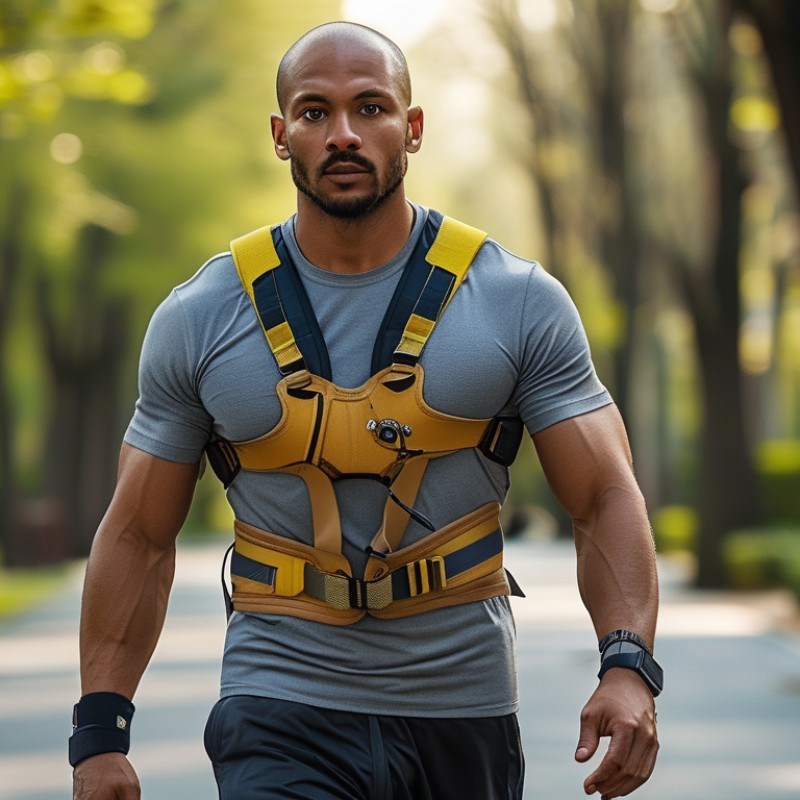
In the world of sports, injuries can be common. Athletes often seek ways to protect themselves. Sports braces serve a crucial role in this process. They offer support and stability during activities. There are various types tailored for different sports.
Knee braces are popular among runners and cyclists. Research shows that knee support can reduce injury risk by 30%. Meanwhile, ankle braces are favored by basketball players. They help prevent sprains by locking the ankle joint. Volleyball players may opt for wrist braces, which can stabilize injuries during play. Each type of brace addresses specific needs.
While these braces are beneficial, they can be misused. Some athletes might rely on them too much, which could lead to weakness in the long run. It's essential to strike a balance between support and strength training. Understanding the correct usage is vital for optimal recovery and performance.
Key Features to Consider When Choosing a Sports Brace
When selecting a sports brace, several key features should be prioritized. First, the level of support is crucial. A brace should provide adequate stability to the targeted joint, especially during high-impact activities. According to a report from the Journal of Orthopaedic Research, nearly 70% of athletes experience joint injuries. This highlights the need for proper support systems.
Comfort is another essential aspect. Many users report discomfort when wearing braces for extended periods. Look for materials that promote breathability and flexibility. Research indicates that breathable fabrics can significantly reduce sweat buildup, enhancing user experience during both activity and recovery. Fabric choices can greatly influence overall performance.
Fit and adjustability also play critical roles. A well-fitted brace can prevent further injury while promoting recovery. Ill-fitting braces may cause chafing or restrict blood flow, which could be counterproductive. It's advisable to test different sizes and styles to find the optimal fit, as individual body shapes vary widely. In fact, a recent study revealed that 45% of users wore the wrong size, potentially undermining the effectiveness of the brace.
Benefits of Using Sports Braces for Injury Prevention and Recovery
Sports braces offer essential support for injury prevention and recovery. According to the Journal of Orthopedic Research, around 25% of athletes experience injuries each year. Sports braces can reduce stress on vulnerable joints and tissues. Many athletes report increased confidence during activity with proper support. This confidence may enhance performance and reduce the risk of re-injury.
The use of sports braces has shown significant benefits. A study published in the American Journal of Sports Medicine found that knee braces reduced the chance of injury during high-impact sports by up to 50%. Braces contribute to improved blood circulation and decrease swelling. They provide stability, especially for those with previous injuries. However, some users may encounter discomfort or reduced mobility while wearing certain brace types. Reviewing fit and comfort is crucial before selection.
Incorporating sports braces in training regimens has been highlighted by professionals. The National Athletic Trainers' Association emphasizes the importance of early intervention and the role of supportive gear. Still, reliance on braces alone may lead to an overconfidence that neglects proper conditioning. Athletes should balance brace use with strength training. Understanding this can foster a more comprehensive approach to injury prevention.
Best Sports Brace Options for Active Lifestyles and Recovery
| Brace Type | Primary Use | Material | Support Level | Benefits |
| Knee Brace | Injury Prevention & Recovery | Neoprene | Moderate | Reduces pain and swelling |
| Ankle Brace | Stabilization | Elastic Fabric | High | Provides support to prevent sprains |
| Wrist Brace | Carpal Tunnel Relief | Breathable Mesh | Low to Moderate | Improves circulation while immobilizing |
| Elbow Brace | Tennis/Golfer's Elbow | Neoprene & Nylon | Moderate | Reduces strain on tendons |
| Shoulder Brace | Dislocation Prevention | Polyester | High | Supports recovery from injuries |
How to Properly Fit and Maintain Your Sports Brace
Fitting a sports brace properly is crucial for both support and comfort. Start by measuring the area where you’ll wear the brace. Use a flexible measuring tape for accuracy. If it’s too tight, it may restrict blood flow. A loose fit won’t provide adequate support. Always refer to sizing charts provided by manufacturers. Each brace can differ significantly in fit, so it's essential to double-check.
Regular maintenance of your brace is vital for longevity. Clean it frequently with mild soap and water. Ensure that all straps and closures are intact. Wear and tear can reduce the brace's effectiveness over time. Additionally, assess your brace periodically; if it feels less supportive, it might be time for a replacement. Ignoring signs of wear can lead to injury.
Remember, everyone's body is unique. It’s common to experience discomfort while adjusting to a new brace. Allow time for your body to adapt. If problems persist, consult a specialist. They can provide insights into alternative options or adjustments. Finding the right balance between support and comfort can take time but is critical for an active lifestyle.
Top Brands and Models of Sports Braces for Active Lifestyles
When it comes to leading active lifestyles, the right sports brace is crucial. According to the National Athletic Trainers' Association, around 25% of athletes will experience an injury each year. This statistic highlights the importance of preventive measures, such as using high-quality sports braces. Brands that invest in innovative materials can enhance support and comfort, making recovery smoother.
For joint stability, knee and ankle braces are often recommended. They offer compression and alleviate stress on fluctuating joints. Research indicates that athletes wearing braces reduce their risk of re-injury by nearly 50%. Many models focus on breathability while maintaining durability, which is vital during intense activities. Adjustable features allow for a customized fit, accommodating various body types and movements.
However, not all braces meet every athlete's needs. Some may feel too restrictive, impacting performance. Others might not provide enough support for specific injuries. Continuous feedback from users plays a vital role in evolving these products. The need for ongoing research and development is essential for future advancements in sports brace technology.