
- Hospital Furniture
- Neonatal Care Product
- Operating Surgical Tables
- Orthopedic Implants
- Surgical Operating Led Lights
- Orthopedic External Fixators
- Laryngoscopes
- Orthopaedic Power Tools
- Medical Disposables
- Hospital Clothing
- Anaesthesia Products
- Autoclaves & Sterilizers
- Hospital Holloware
- Suction Units
- Rehabilitation Aids
- Stethoscopes
- Anesthesia Machine & Ventilators
- Cold Chain Equipment
- Electro Medical Equipments
- Orthopedic Instruments
- Surgical Operating Led Lights
- Physiotherapy products
7 Blue Light Therapy Buying Tips for Global Buyers
Blue Light Therapy is moving from specialist clinics into homes, salons, and professional skincare practices worldwide. Yet buying decisions remain surprisingly uneven. Device labels may show attractive LED counts, while hiding wavelength accuracy, irradiance, treatment distance, and tested skin-contact materials.
Grand View Research’s 2024 LED light therapy analysis identifies dermatology and acne care as important application areas. Fortune Business Insights’ 2024 market report also describes continued growth in light-based therapy equipment. These reports indicate commercial momentum, not guaranteed clinical performance. The market is still not perfectly transparent. Buyers must examine evidence behind each technical claim.
Dermatologist Joshua Zeichner, MD, explains, “Blue light works by killing acne-causing bacteria on the skin.” This statement helps clarify the therapy’s intended mechanism, but it does not promise identical results for every user. Wavelength commonly matters. Many acne-focused devices target the blue spectrum near blue-violet ranges, while power delivery and exposure time also influence practical use. Some products provide impressive specifications but limited independent testing. That should prompt reflection.
Global buyers should therefore assess regulatory status, electrical safety certifications, warranty coverage, language support, and after-sales service. A clinic in London may need different compliance documentation than a distributor in Singapore or Toronto. Packaging should state treatment instructions clearly. A reliable supplier should provide photobiological safety information, test reports, and realistic contraindication guidance. Marketing confidence is not clinical evidence. This introduction presents seven practical buying tips for evaluating Blue Light Therapy equipment with greater care, professional judgment, and a healthier respect for uncertainty.
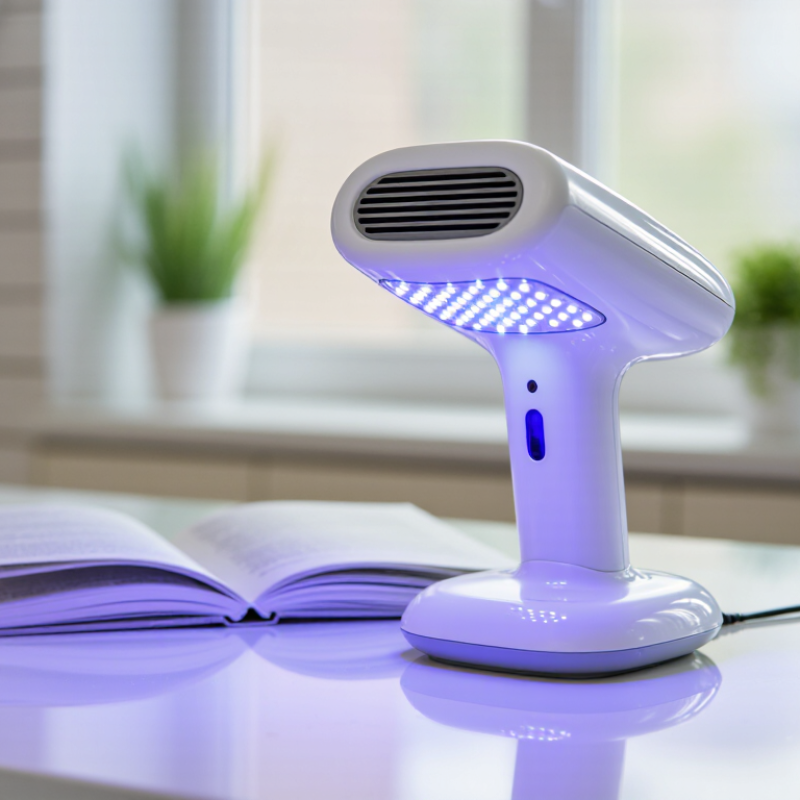
Table of Contents [Hide]
Define Your Blue Light Therapy Goals and Target Treatment Area
Before comparing blue light therapy devices, define the result you want. Acne management, surface skin support, and general wellness require different expectations. A device for facial breakouts may not suit the scalp, chest, or another treatment area. Be specific.
Write down the target area, treatment frequency, and acceptable time commitment. Measure the area with a ruler. Check whether the light reaches it evenly. A small handheld unit can miss the edges of a broad chest area. A face mask may fit poorly around the nose or jaw. Comfort matters more than impressive specifications.
Review the stated wavelength, irradiance, session time, and safety instructions. These details should be clear and supported by credible technical documentation. Use eye protection when the instructions require it. People taking photosensitizing medicines or managing light-sensitive conditions should seek professional advice before use. My first mistake was focusing on power instead of coverage. More intensity is not automatically better. It may increase discomfort or reduce compliance. Keep a simple log with dates, skin changes, and any irritation. Results can be gradual, inconsistent, or difficult to separate from other skincare changes. That uncertainty deserves attention. A reliable purchase begins with a realistic goal and a treatment area the device can actually cover.