
- Hospital Furniture
- Neonatal Care Product
- Operating Surgical Tables
- Orthopedic Implants
- Surgical Operating Led Lights
- Orthopedic External Fixators
- Laryngoscopes
- Orthopaedic Power Tools
- Medical Disposables
- Hospital Clothing
- Anaesthesia Products
- Autoclaves & Sterilizers
- Hospital Holloware
- Suction Units
- Rehabilitation Aids
- Stethoscopes
- Anesthesia Machine & Ventilators
- Cold Chain Equipment
- Electro Medical Equipments
- Orthopedic Instruments
- Surgical Operating Led Lights
- Physiotherapy products
China Top Implant Instruments for Dental and Medical Applications?
In the realm of dental and medical applications, the significance of implant instruments cannot be overstated. These tools are crucial for successful surgeries. China has emerged as a leading manufacturer of high-quality implant instruments. Their innovations continue to reshape the landscape of medical practices across the globe.
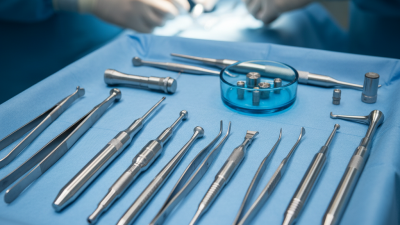
The range of implant instruments available is vast, catering to various procedures. Surgeons rely on precision and reliability in these tools. Each instrument has a specific purpose, yet many practitioners may not fully understand their optimal use. It’s essential to explore the effectiveness of these instruments in different medical scenarios.
Despite the advancements, challenges remain. Some instruments may not withstand certain conditions. Additionally, ongoing training for practitioners is vital in maximizing the potential of implant instruments. Establishing best practices and sharing knowledge ensures that the quality and safety standards are consistently met. The conversation about innovation in this field is ongoing. By addressing both successes and areas for improvement, we can enhance clinical outcomes.
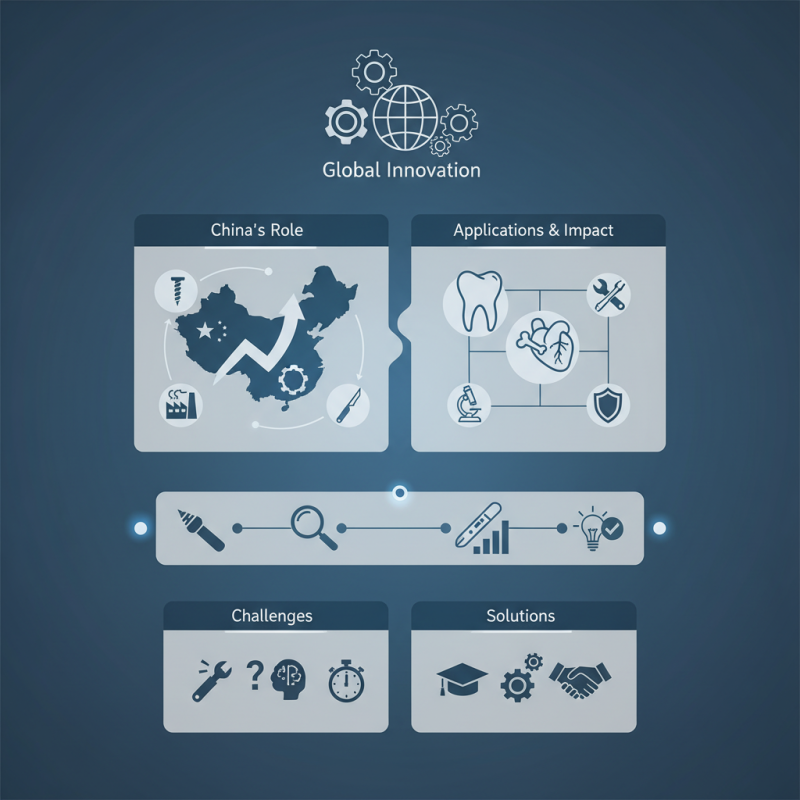
Table of Contents
[Hide]
Overview of Implant Instruments in China
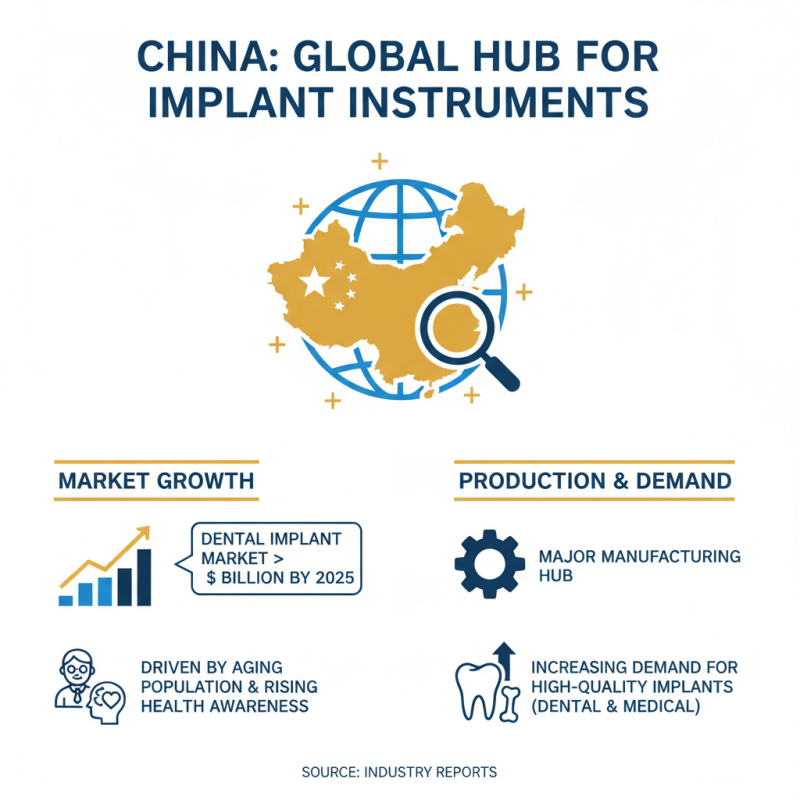
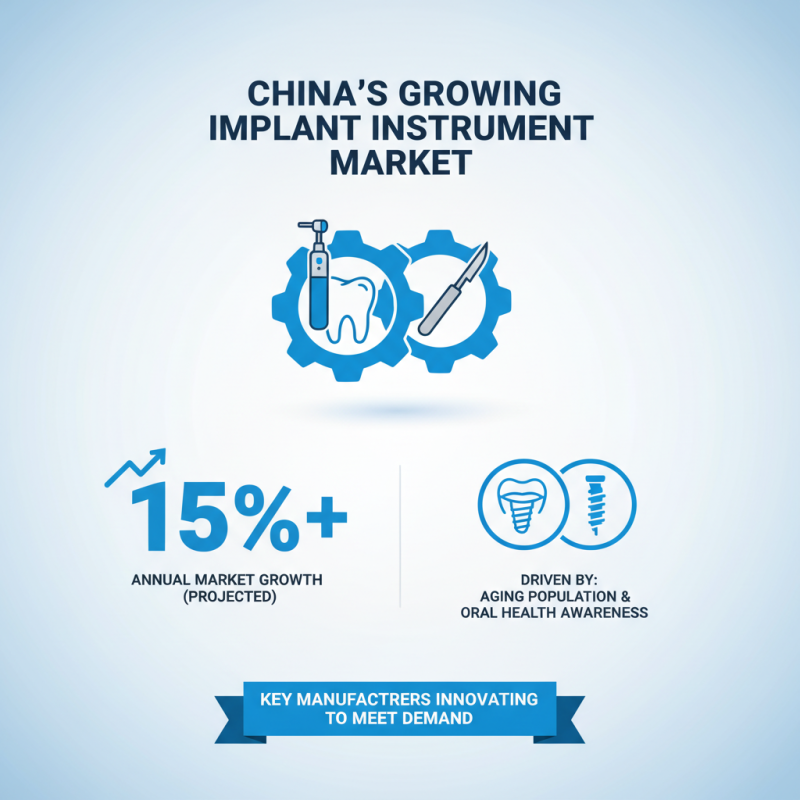
China has become a significant hub for the production of implant instruments used in dental and medical applications. The demand for high-quality implants shows a steady increase. According to industry reports, the Chinese dental implant market is expected to surpass USD 1 billion by 2025. This growth is driven by an aging population and rising health awareness.
In the field of dental implants, precision and reliability are paramount. Manufacturers in China focus on using advanced materials and technologies. For instance, titanium remains a popular choice due to its biocompatibility. However, challenges persist. Many products still struggle with consistency in quality. Some less reputable manufacturers deliver subpar instruments, raising concerns about patient safety.
The medical implant sector, particularly orthopedic instruments, is also evolving. The Chinese market for orthopedic implants reached approximately USD 1.4 billion in 2022, as per a recent report. Despite this promising growth, regulatory issues can hinder international competitiveness. Companies must navigate complex regulations while striving for innovation. It creates an environment where quality can vary significantly. Continuous improvement in standards and practices is essential for the industry's future.
Related Posts
-
Top 10 Implant Surgical Instruments You Need for Successful Procedures?
-

2026 Best Medical Tools for Healthcare Professionals and Patients?
-

10 Essential Tips for Choosing Medical Instruments for Your Practice?
-

What is Care Equipment and How Does it Improve Quality of Life?
-

The Best 10 Medical Device Instruments You Need to Know About?
-

China Top Medical Device Instruments for Healthcare Innovation?