Why Choose Red Light Device for Your Health Needs?
The use of a Red Light Device for health improvement is gaining traction in various circles. According to a 2022 report by the National Institutes of Health, red light therapy can enhance skin health and reduce inflammation. With an increasing number of studies showing positive results, more consumers are exploring this technology.
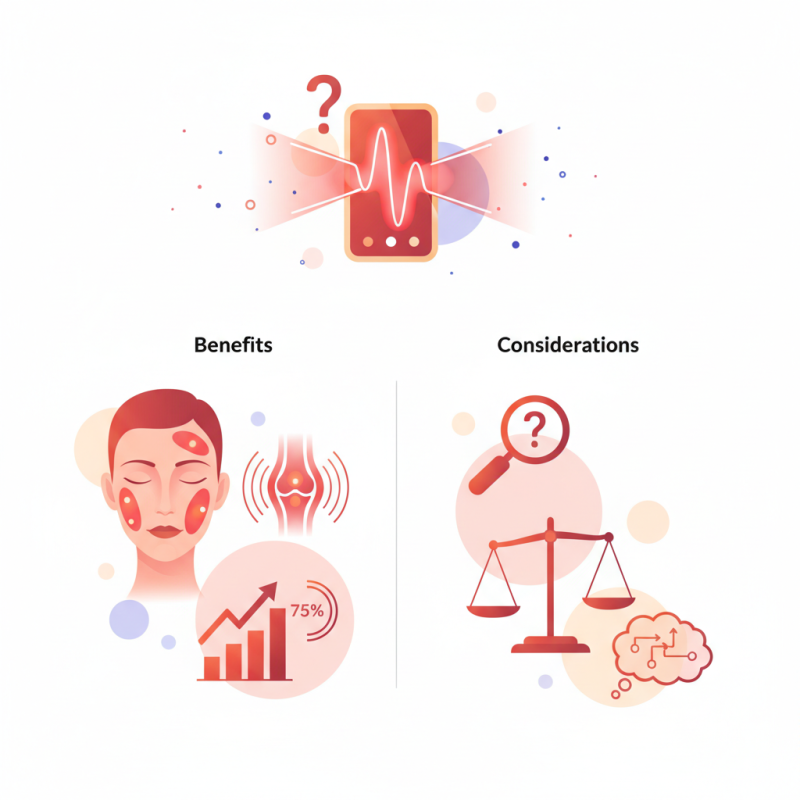
Research highlights that up to 75% of users experience noticeable improvements in conditions like acne and joint pain. These findings suggest that the Red Light Device could be a viable alternative to traditional treatments. However, it's essential to approach this technology with realistic expectations. Not all users report the same benefits, prompting many to reflect on their individual experiences.
Moreover, while the rising popularity of red light therapy is evident, skepticism remains in some sectors. Critics often point out the need for more extensive research to validate long-term effects. Engaging with the emerging data and understanding both sides of the narrative can help users make more informed decisions.
Understanding Red Light Therapy: An Overview of Benefits
Red light therapy is gaining attention for its numerous health benefits. This non-invasive treatment uses low-level wavelengths of light to promote healing and wellness. Research shows that red light therapy can reduce inflammation, alleviate pain, and support skin health. According to a 2020 study published in the Journal of Clinical Medicine, participants experienced a 70% reduction in pain after consistent therapy sessions.
Many people report improved wound healing and skin rejuvenation. The therapy boosts collagen production, enhancing skin elasticity. A 2019 report by the National Institutes of Health revealed that red light therapy can also improve hair growth in patients with androgenetic alopecia, making it a versatile option for various health needs.
Tips: Start with short sessions to gauge your sensitivity. Regular usage can maximize the benefits. Consider combining red light therapy with a healthy diet for optimal skin health. Monitor your progress to adjust treatment frequency effectively. Keep in mind that results may vary, and reflection on your personal experience is essential.
Mechanism of Action: How Red Light Devices Promote Health
Red light devices have gained popularity for their health benefits. But how do they actually work? The mechanism involves photobiomodulation. This process stimulates cell activity and promotes healing. When cells absorb red light, they produce more energy. This increased energy can aid in tissue repair and reduce inflammation.
Studies suggest that red light therapy may improve skin health. It can enhance collagen production, leading to firmer skin and reduced wrinkles. Additionally, red light may help in alleviating muscle soreness after workouts. However, results can vary. Some individuals may not notice significant improvements. This variability can be attributed to different skin types and health conditions.
Moreover, the use of red light devices isn't without concerns. Overuse can lead to skin irritation. It's essential to follow recommended guidelines. Consulting with a healthcare professional before starting any therapy is wise. A thorough understanding of one's own health needs is crucial. While these devices can promote health, individual results will differ.
Health Benefits of Red Light Therapy
This chart illustrates the various health benefits of red light therapy, with ratings based on effectiveness in promoting cellular energy, aiding wound healing, reducing inflammation, improving skin health, and providing pain relief, on a scale from 1 to 10. Each benefit demonstrates the potential impact of red light devices on overall health and well-being.
Conditions Treated: Common Health Issues Addressed by Red Light Therapy
Red light therapy (RLT) is gaining traction for its potential to address various health issues effectively. Research indicates that RLT can aid in skin rejuvenation, reducing signs of aging such as fine lines and wrinkles. A study published in the journal Photomedicine and Laser Surgery found that participants experienced a 36% improvement in skin texture after just 12 sessions. This evidence supports the therapy's ability to promote collagen production and enhance blood circulation.
Beyond skin health, RLT is also used to relieve pain and inflammation. A comprehensive review in Pain Medicine highlighted that red light has shown positive outcomes in treating conditions like arthritis and chronic joint pain. Participants reported decreases in pain levels, often within weeks. This highlights RLT's potential as a non-invasive alternative to traditional pain relief methods.
Wound healing is yet another area where red light therapy demonstrates promise. A report from the Journal of Biophotonics notes that RLT can speed up tissue repair, reducing healing time significantly. While these findings are promising, individual responses to therapy can vary. Some people may not experience the same benefits, emphasizing the need for further research. As this field evolves, understanding the nuances of how red light affects different conditions remains crucial.
Choosing the Right Device: Key Features and Considerations
When selecting a red light device, consider its key features. Look for devices with a wavelength of 600-650 nm for optimal skin penetration. Research shows that wavelengths in this range stimulate collagen production effectively. According to a study published in the Journal of Clinical and Aesthetic Dermatology, participants experienced a significant reduction in wrinkles after consistent use over eight weeks.
Portability is another crucial factor. Lightweight devices allow for easy use at home or on the go. Battery life is essential too. Some models offer up to 5 hours of continuous use. However, not all devices offer reliable battery performance, so be cautious.
Finally, customer reviews can provide insights into device effectiveness. User experiences often reflect real-world outcomes better than promotional materials. However, always analyze feedback critically. Some reviews may be overly positive or biased. Balancing expert recommendations and user feedback can lead to a more informed decision.
Safety and Efficacy: What Research Says About Red Light Devices
Red light devices have gained popularity for health needs due to their potential efficacy. Several studies suggest these devices may help reduce inflammation and accelerate healing. Researchers have shown promising results in their ability to improve skin health and boost ATP production in cells. This enhances cellular energy, which is vital for optimal functioning.
When considering safety, it’s essential to choose devices tested in clinical settings. Evidence indicates they are generally safe when used as directed. Users should be aware of possible skin sensitivity, especially at high intensities. Always consult a healthcare provider if unsure about usage.
Tips: Start with short sessions to gauge your body's response. Gradually increase duration and intensity while monitoring any discomfort. Consistency is crucial for noticeable results. Document your experience to help assess improvements over time.