
- Hospital Furniture
- Neonatal Care Product
- Operating Surgical Tables
- Orthopedic Implants
- Surgical Operating Led Lights
- Orthopedic External Fixators
- Laryngoscopes
- Orthopaedic Power Tools
- Medical Disposables
- Hospital Clothing
- Anaesthesia Products
- Autoclaves & Sterilizers
- Hospital Holloware
- Suction Units
- Rehabilitation Aids
- Stethoscopes
- Anesthesia Machine & Ventilators
- Cold Chain Equipment
- Electro Medical Equipments
- Orthopedic Instruments
- Surgical Operating Led Lights
- Physiotherapy products
Why Choose a Skin Analyzer Distributor for Global Sourcing?
Why Choose a Skin Analyzer Distributor for Global Sourcing?
Global sourcing becomes more practical when a Skin Analyzer Distributor understands both technology and local market realities. A reliable distributor does more than ship devices. They verify sensor performance, explain software functions, and provide training for salon teams, clinics, and retail staff. They can also help buyers compare imaging systems, moisture sensors, sebum readings, and UV photography before a purchase is approved.
Skin needs vary widely.
As dermatologist and skin-care researcher Dr. Leslie Baumann has said, “There is no such thing as a one-size-fits-all skincare product.” The same principle applies to skin analysis equipment. A distributor should assess climate, customer profiles, language settings, electrical standards, data protection practices, and service expectations. In humid Singapore, moisture readings may require different interpretation than in dry northern Europe. A trained distributor can demonstrate these differences using real consultation screens and sample reports.
Experience matters.
A dependable Skin Analyzer Distributor offers installation guidance, calibration support, spare parts, and clear warranty terms. They should explain what the device can measure, and what it cannot prove. That honesty protects buyers from exaggerated claims. It also supports responsible consultations.
No distributor is perfect. Response times may vary, and software updates can create frustration. However, transparent communication is a useful test. Ask for references, training records, product documentation, and after-sales procedures. Global sourcing should not be judged by price alone. The strongest choice combines technical competence, practical support, and evidence-based communication. That balance can reduce purchasing risk and build trust with every customer who sits before the analyzer.
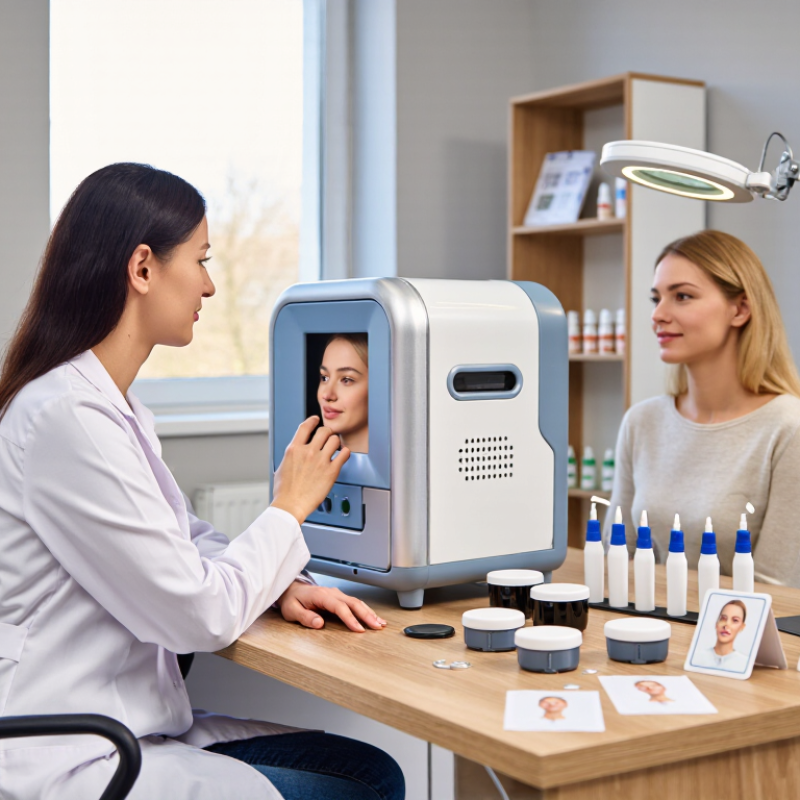
Table of Contents [Hide]
What Is a Skin Analyzer Distributor?
A skin analyzer distributor is a specialized business that connects manufacturers with clinics, salons, retailers, and professional buyers across different markets. It does more than move cartons across borders. A capable distributor studies local demand, explains device functions, and supports purchasing decisions with practical information. In global sourcing, this role can reduce communication gaps and make technical products easier to evaluate. The distributor may also coordinate shipping documents, installation guidance, training, warranty communication, and after-sales service. These details matter when a device arrives in a busy clinic.
Experienced distributors usually understand imaging systems, skin assessment workflows, and basic data protection expectations. They should explain what the analyzer measures, how lighting affects results, and which claims require caution. Clear specifications are essential. Buyers should receive information about sensors, software compatibility, calibration, maintenance, and user training. A reliable distributor will not promise instant diagnosis from a cosmetic analysis tool. That distinction protects professional trust and helps users communicate responsibly with clients. Ask for test procedures and service records.
However, a distributor is not automatically an expert. Some rely heavily on sales sheets and provide limited technical support. This is where careful sourcing becomes necessary. Request sample reports, response times, training plans, and written warranty terms. Check whether support continues after delivery. Small gaps can become expensive delays. Honest distributors should admit product limitations, including occasional inconsistent readings. That honesty may feel less impressive, but it gives buyers a more realistic basis for selecting equipment across markets.


