
- Hospital Furniture
- Neonatal Care Product
- Operating Surgical Tables
- Orthopedic Implants
- Surgical Operating Led Lights
- Orthopedic External Fixators
- Laryngoscopes
- Orthopaedic Power Tools
- Medical Disposables
- Hospital Clothing
- Anaesthesia Products
- Autoclaves & Sterilizers
- Hospital Holloware
- Suction Units
- Rehabilitation Aids
- Stethoscopes
- Anesthesia Machine & Ventilators
- Cold Chain Equipment
- Electro Medical Equipments
- Orthopedic Instruments
- Surgical Operating Led Lights
- Physiotherapy products
10 Dangerous Diseases Linked to Mouse Droppings You Must Know?
Mouse Droppings And Disease are serious public health concerns. Research indicates that rodents carry numerous pathogens that can lead to severe illness. The Centers for Disease Control and Prevention (CDC) reports that more than 35 diseases can be transmitted through contact with rodent droppings. These diseases pose significant risks to individuals, especially in urban areas where rodent populations thrive.
One notable example is hantavirus, which can arise from handling contaminated mouse droppings. This disease can lead to hantavirus pulmonary syndrome, a severe respiratory illness. Studies show that the mortality rate can reach 38%. Another disease linked to mouse droppings is leptospirosis, which can cause liver and kidney damage. This highlights the importance of sanitation and preventative measures in homes and workplaces.
Understanding mouse droppings and disease is crucial. The risk is underestimated by many. Ensuring proper pest control and cleanliness can significantly reduce exposure. Regularly cleaning areas susceptible to mouse activity can protect health and prevent outbreaks. Awareness and education about the dangers of mouse droppings are essential for maintaining a safe environment.
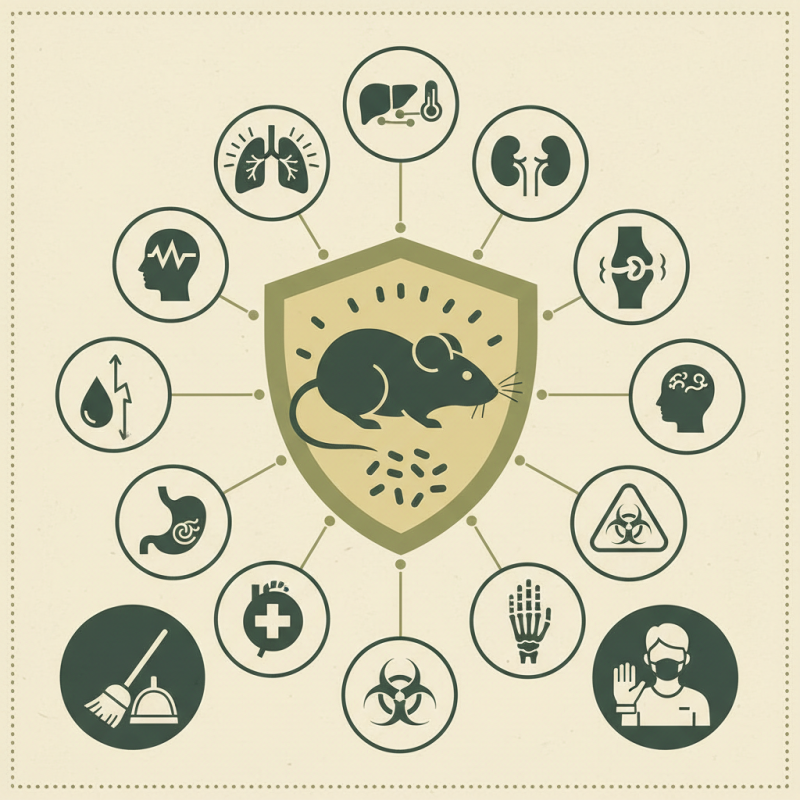
Table of Contents [Hide]
Understanding the Risks: Overview of Diseases from Mouse Droppings
Mouse droppings pose serious health risks. Various diseases can be transmitted through contact with these droppings. The Centers for Disease Control and Prevention (CDC) report that hantavirus pulmonary syndrome is linked to rodent feces. This virus can lead to severe respiratory issues and even death. In an infected area, just a small amount of droppings can release harmful particles into the air.
Leptospirosis is another disease associated with mouse droppings. This bacterial infection can occur after contact with contaminated surfaces. Symptoms may include fever, headaches, and muscle pain. According to the World Health Organization, leptospirosis can become severe and lead to kidney damage. Moreover, lymphocytic choriomeningitis (LCMV) can also spread through rodent urine and droppings. It's particularly concerning for pregnant women, as it can harm a developing fetus.
Handling mouse droppings without proper protection is risky. Many individuals underestimate the dangers. Infection rates are on the rise in urban areas. Cleaning up droppings without masks or gloves increases exposure risk. Awareness and understanding of these diseases are crucial. Inadequate precautions can lead to serious health consequences. It’s vital to implement safe cleaning practices to minimize these risks effectively.