What is Dental Light and How to Choose the Best One?
Dental Light is an essential tool in any dental practice. It illuminates the oral cavity during examinations and procedures. This light enhances visibility, helping dentists perform with precision. Choosing the right dental light can impact treatment outcomes. A poorly chosen light may lead to eye strain or inadequate illumination.
When selecting a dental light, consider factors such as brightness, adjustability, and ease of use. The right brightness level is crucial for different procedures. Dental professionals must evaluate their specific needs. Perhaps the light lacks intensity for complex surgeries, highlighting the importance of quality.
Additionally, many dental lights have features like shadow-free illumination. This leads to better visibility in critical areas. However, not all lights deliver the same quality. It’s essential to research and compare available options. Investing time in this decision ensures better care for patients and enhances overall practice efficiency.
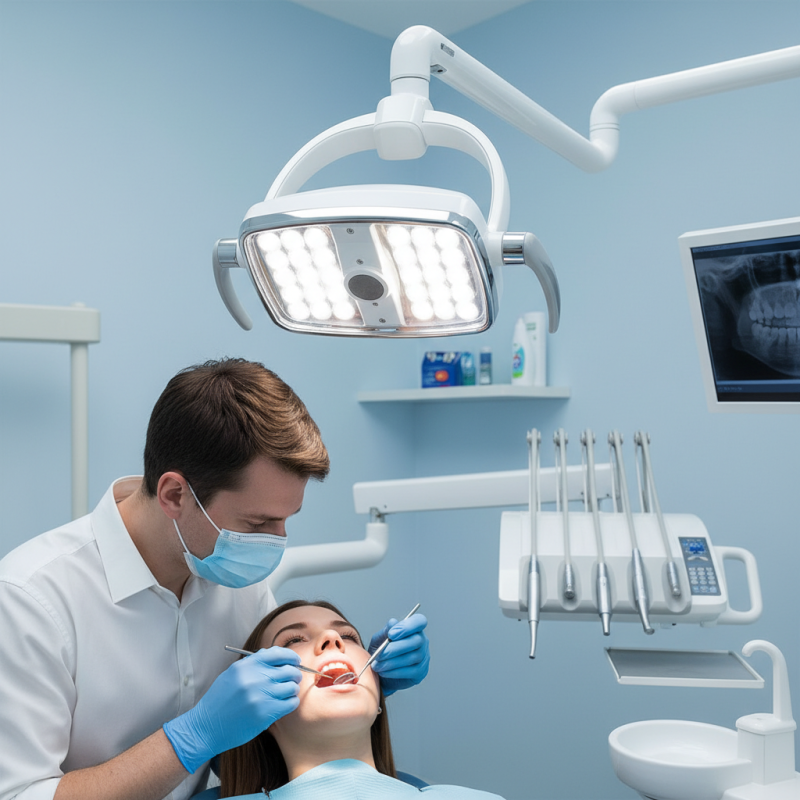
What is Dental Light? Definition and Importance in Dentistry
Dental light is a crucial tool in dentistry. It illuminates the oral cavity during treatments, improving visibility for dentists. Good lighting helps identify cavities, plaque, and other dental issues. Without it, crucial details can often be missed, impacting treatment quality. The importance of dental light extends beyond just visibility; it enhances precision in procedures and ensures patient safety.
When selecting a dental light, consider its brightness and color temperature. An ideal dental light should provide sufficient illumination without causing glare. A color temperature between 4000K and 5000K is often recommended for optimal clarity. Additionally, look for adjustable arms that can easily be maneuvered to suit different patient positions. Remember to balance functionality with design; an efficient light can also enhance the clinic's overall aesthetic.
Tips: Always test the light intensity and adjust it before each patient arrives. This ensures optimal conditions for every procedure. Regular maintenance of the dental light is key for consistent performance. Cleaning the light head can prevent hygiene issues and ensure longevity. A functional light is your ally in delivering excellent care.
Types of Dental Lights: An Overview of Available Options
Dental lights are essential for providing optimal visibility during treatments. There are several types of dental lights, each designed for specific needs. Overhead lights are common in many practices. They can be adjusted for angle and brightness, allowing for a better view of the oral cavity.
In addition to overhead lights, some dental offices opt for operatory lights. These lights are usually mounted on chairs or mobile units. They provide a focused beam of light directly onto the treatment area. This helps in reducing shadows. However, they can be bulky and require careful positioning.
Another option is LED dental lights. They consume less energy and have a longer lifespan. These lights also offer bright illumination while minimizing heat. This can enhance patient comfort. Yet, the initial investment might be higher compared to traditional options. Choosing the right dental light requires considering both functionality and budget constraints.
Key Features to Consider When Choosing a Dental Light
Choosing the right dental light is essential for effective clinical procedures. A quality dental light enhances visibility while minimizing shadows. Look for lights with adjustable intensities to suit various tasks. The ability to switch between warm and cool color temperatures can also help reduce eye strain for both the practitioner and the patient. It’s worth noting that some lights can produce glare. This can affect your focus and performance during procedures.
Pay attention to the light’s positioning options. Some models allow flexible adjustments, enabling you to direct light where it's needed most. This can improve comfort and precision. Additionally, consider the ease of cleaning; a design that minimizes crevices can save time on maintenance. Some lights are designed for simplicity, but it’s important to ensure they don’t compromise on function.
Finally, check the light's durability. Investing in a high-quality dental light could save costs in the long run. Some lights may seem affordable initially but might require frequent replacements or repairs. Reflecting on these features is crucial. Your choice should not only reflect your current needs but also adapt to future innovations in dental practices.
Best Practices for Setting Up and Using Dental Lights
Setting up dental lights properly is crucial for effective patient care. The placement of the light should allow for optimal visibility without casting shadows on the treatment area. Positioning it above the patient’s head, at a slight angle, usually works well. Adjust the height to ensure the light focuses directly over the oral cavity. This might require trial and error to find the right configuration. Each dental chair and patient will demand different considerations.
Using dental lights effectively involves understanding their brightness levels and color temperature. A balanced intensity provides clear illumination without causing discomfort for the patient. Some practitioners use a lower brightness setting during sensitive procedures to improve patient comfort. Regular maintenance of the light fixtures ensures consistent performance. Checking for dirt on the lens and ensuring all bulbs are functioning can prevent interruptions during procedures.
Reflecting on your practice, evaluate the light in various conditions. Poor visibility can lead to errors. It’s important to look for improvements continuously. Seeking feedback from your dental team about lighting during procedures can lead to insights. After all, even the best setup can sometimes fall short in specific situations. This ongoing reflection fosters a culture of excellence and reliability in patient care.
Top Brands and Recommendations for Quality Dental Lighting
Choosing quality dental lighting is essential for dental professionals. The right light can enhance visibility, which is vital for precision in procedures. Light intensity is a crucial factor. The American Dental Association highlights that sufficient illumination can reduce operator fatigue and improve patient outcomes.
When selecting dental lights, consider features like color temperature. Studies show that lights in the 5000-6500 Kelvin range provide the best clarity. Additionally, look for adjustable arms and focus options. These features allow for customized positioning, enhancing usability during various procedures.
Top brands often vary in design and tech. Research suggests that user feedback is invaluable in this decision-making process. Some professionals report dissatisfaction with lights lacking flexibility. Evaluate how each model meets your specific needs. Explore user reviews and clinical reports to gather insights. This thorough approach will help ensure you choose the best dental lighting for your practice.
Dental Light Brightness Comparison
This bar chart shows the brightness levels (in Lux) of different types of dental lights. LED lights provide the highest brightness, followed by Xenon, Halogen, and Fluorescent lights.