- Hospital Furniture
- Neonatal Care Product
- Operating Surgical Tables
- Orthopedic Implants
- Surgical Operating Led Lights
- Orthopedic External Fixators
- Laryngoscopes
- Orthopaedic Power Tools
- Medical Disposables
- Hospital Clothing
- Anaesthesia Products
- Autoclaves & Sterilizers
- Hospital Holloware
- Suction Units
- Rehabilitation Aids
- Stethoscopes
- Anesthesia Machine & Ventilators
- Cold Chain Equipment
- Electro Medical Equipments
- Orthopedic Instruments
- Surgical Operating Led Lights
- Physiotherapy products
What Is an Emergency Eyewash and What Type Do You Need?
An Emergency Eyewash is more than a bright fixture mounted near a chemical workstation. It is a first-response device designed to flush hazardous substances from the eyes quickly. The right model depends on your workplace, water supply, chemicals, temperature, and maintenance capacity. A plumbed unit suits facilities with reliable potable water and permanent work areas. A self-contained station may fit remote rooms or locations without nearby plumbing. Personal eyewash bottles can provide immediate assistance, but they should not automatically replace a full station when serious exposure is possible.
Safety specialist Karen D. Hamel has emphasized, “An eyewash is only effective when workers can reach it quickly and use it correctly.” That point sounds simple. It is often overlooked. A blocked aisle, empty reservoir, dusty nozzle, or frozen supply can turn suitable equipment into false reassurance. The station should be visible, accessible, clearly marked, and located close to hazards. Many workplaces follow ANSI/ISEA Z358.1 guidance, including a flushing period of at least 15 minutes, while local requirements may differ.
This guide explains how an Emergency Eyewash works and which type may suit your operation. It will examine flow, placement, activation, inspection, and employee training. It will also question common assumptions. A larger unit is not always the better choice. A newer unit is not automatically ready for use. Real safety depends on practical access, dependable water, regular testing, and workers who know what to do before panic takes over.
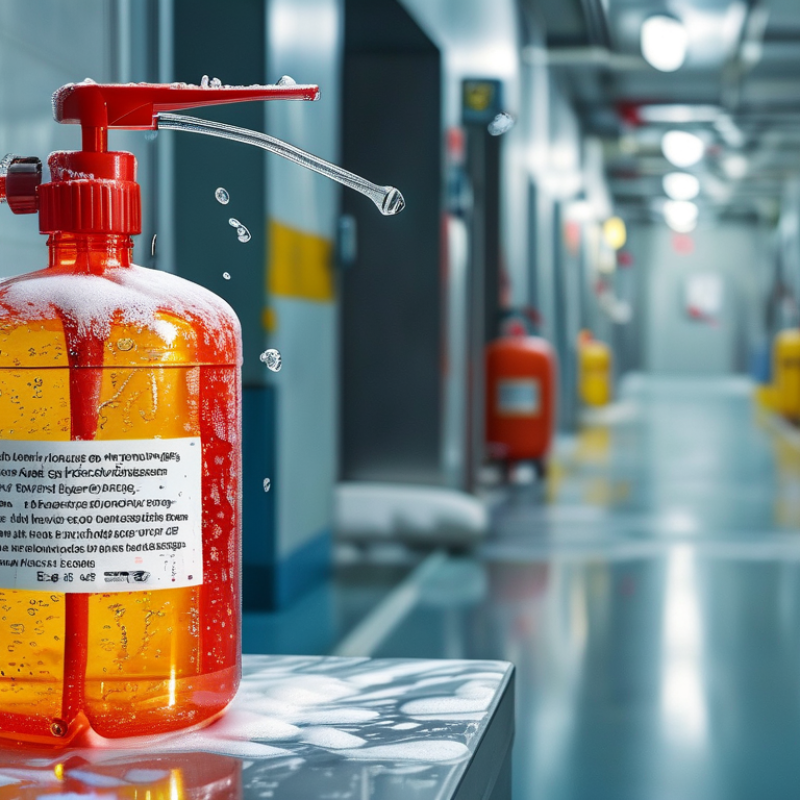
Table of Contents [Hide]
What Is an Emergency Eyewash?
What Is an Emergency Eyewash?
An emergency eyewash is a safety device that rapidly flushes hazardous substances from the eyes and face. It is used after dust, chemicals, metal particles, or other irritants cause exposure. The goal is immediate dilution and removal, not diagnosis or treatment. Every second matters.
A fixed eyewash connects to a clean water supply and is suitable for permanent work areas. A self-contained unit stores flushing fluid where plumbing is unavailable. Portable bottles can provide quick support, but they usually cannot replace a full eyewash station. Many workplace safety guidelines recommend continuous flushing for at least 15 minutes, depending on the substance and site requirements. Water should reach both eyes gently, without forcing them shut. The unit must remain clearly visible, unobstructed, and easy to activate.
Tips:
Test the eyewash according to the manufacturer’s instructions. Check flow, cleanliness, temperature, and access. Keep the path clear of boxes and tools. A label can fade. A cap can stick. These small failures are easy to overlook during routine inspections. In a real incident, however, they may delay flushing. Train workers to use both hands, hold their eyelids open, and seek medical evaluation after rinsing. Do not rely on memory alone; practice helps, although practice can never fully recreate the confusion of an emergency.