What Is Footwear Inspection and Why Does It Matter?
Footwear Inspection is the practical discipline of checking shoes before defects reach customers, retailers, or global distribution channels. It examines materials, construction, performance, labeling, and packaging. A trained inspector may review stitching under bright light, measure both shoes, flex the outsole repeatedly, and test whether adhesive bonds remain secure. Small findings matter. A loose thread can become a tear, while uneven sizing can create discomfort and returns.
The scale of modern production makes reliable inspection essential. The World Footwear Yearbook 2024 reported approximately 22.4 billion pairs produced worldwide in 2023, despite a year-on-year decline. Every percentage point of avoidable defects can therefore represent millions of affected pairs. McKinsey’s Sporting Goods 2024 report also describes continuing pressure on brands to improve value, performance, and supply-chain resilience. Inspection supports these goals by identifying recurring problems before mass production continues. It can also verify details connected with material consistency, color transfer, outsole abrasion, odor, and carton protection.
No inspection system is flawless. A checklist can miss a defect hidden inside a padded collar. Human judgment can also vary between inspectors, factories, and lighting conditions. That is why experienced teams combine visual checks, measurement records, sampling plans, and recognized methods from organizations such as ISO and SATRA. Reliable reports should include photographs, defect classifications, sample sizes, and corrective actions. This evidence turns inspection from a final approval ritual into a feedback process. The strongest programs do not merely reject defective footwear. They explain why defects occurred and how production can improve. That distinction matters.
Definition and Scope of Footwear Inspection
What Is Footwear Inspection and Why Does It Matter?
Footwear inspection is a structured check of materials, construction, fit, function, and presentation. Its scope begins with incoming leather, textiles, rubber, foam, adhesives, and accessories. It continues through cutting, stitching, lasting, bonding, finishing, and packing.
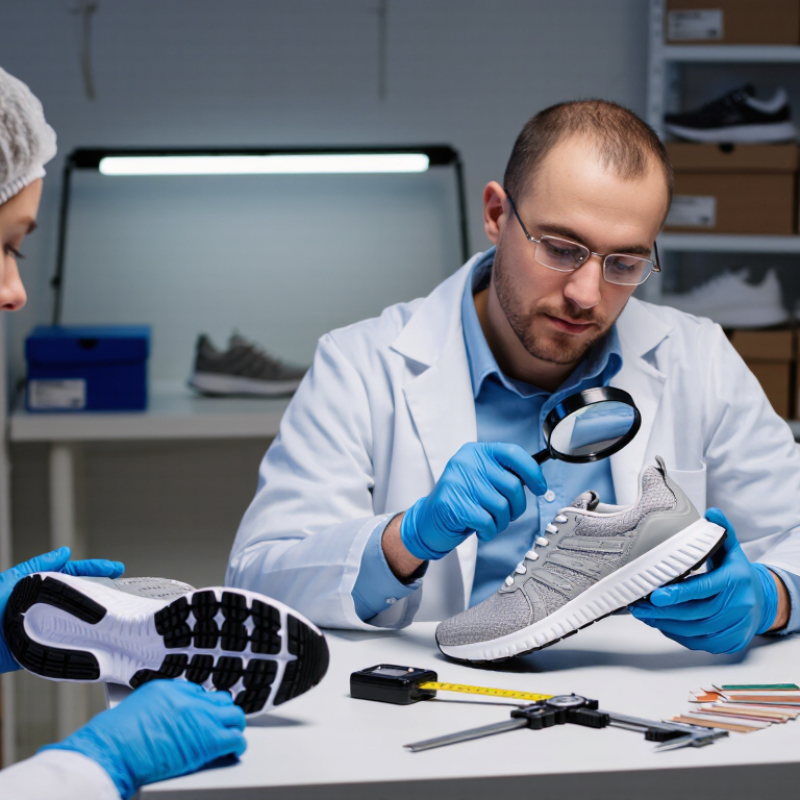
An experienced inspector examines each area with practical tools and clear records. A ruler checks dimensions, while a hardness gauge evaluates selected sole materials. Flexing tests reveal weak bonding or early cracking. Inspectors also compare pairs for color, shape, symmetry, stitching, and surface marks. Fit can shift. Therefore, size measurements and trial wear both provide useful evidence. Packaging, labels, cartons, and product counts also belong within the inspection scope. These details affect handling, storage, and customer experience.
Tips: Use consistent lighting, clean measurement tools, and a written defect guide. Photograph unusual findings beside a scale. Separate critical, major, and minor defects before making a decision. Sampling is efficient, but it can miss an isolated problem. That limitation deserves honest attention. Inspection cannot predict every condition a wearer may face, and even careful teams sometimes overlook small defects. Reviewing recurring findings helps improve production controls and makes future inspections more reliable.
Key Quality Standards for Footwear Products
Footwear inspection checks whether a product matches approved specifications before shipment. Key quality standards cover materials, stitching, bonding, dimensions, color, comfort, and packaging. Inspectors examine leather or textile surfaces for scars, stains, uneven texture, and weak areas. They also check whether seams are straight and securely stitched. Small gaps around the sole can become serious failures during daily wear.
A professional inspection uses measurable criteria, not personal preference. Shoe length, width, pair matching, and outsole thickness should follow the approved sample and tolerance range. Bonding tests can reveal weak adhesion between the upper and sole. Flexing the shoe repeatedly may expose cracking, separation, or discomfort. Inspectors should record defects with clear photos, measurements, and batch details. However, no inspection is perfect. Human judgment can vary, especially when color differences are subtle. Regular calibration and independent review improve reliability.
Tips: Use a detailed checklist for every model. Inspect random samples from different cartons, not only the easiest pairs to reach. Check high-risk areas first, including toe caps, heel counters, eyelets, and sole edges. Keep inspection records for trend analysis. Repeated defects often reveal a process problem, not a single careless worker. A practical team should also wear-test selected pairs, because a shoe may look flawless yet feel uncomfortable after an hour.
The Step-by-Step Footwear Inspection Process
Footwear inspection is a practical quality check that protects comfort, safety, and customer trust. The process begins before the first pair reaches the table. Inspectors confirm the order details, size range, materials, color references, and approved samples. Clear criteria prevent personal opinions from controlling the result.
The step-by-step inspection process starts with packaging and labeling. Inspectors then compare shoe length, width, pair matching, and visible color differences. They examine stitching for loose threads, skipped seams, and uneven spacing. Glue marks, scratches, wrinkles, and damaged linings require close attention. Next, they test fasteners, pull tabs, insoles, and outsole bonding. A gentle flex test can reveal cracking or weak adhesion. Measurements should be recorded, not remembered. Photos provide useful evidence when a defect is disputed. The inspector also checks several pairs from different cartons. One perfect pair proves little. The process is not perfect, and rushed checks can miss hidden problems.
Tips: Use clean gloves when handling light materials. Inspect under bright, even lighting. Mark each defect by location and severity. Keep rejected and approved pairs separate. Recheck unusual findings with another trained inspector. A second opinion may expose a mistake, or confirm a real pattern. Do not ignore minor defects without recording them; repeated small issues can signal a larger production problem.
Common Defects Identified During Inspection
Footwear inspection is a practical quality check before shoes reach customers. Inspectors examine each pair under bright, even lighting. They compare size, shape, color, and construction against approved samples. Small differences can reveal larger production problems.
Common defects often appear in stitching. Loose threads, skipped stitches, broken seams, and uneven thread tension can weaken the upper. Inspectors also check glue lines around the sole. Excess adhesive looks untidy, while weak bonding may cause the sole to separate during walking. It happens.
Material defects deserve close attention. Wrinkles, scratches, stains, uneven texture, and color variation can affect appearance and comfort. Inspectors press the toe box and heel counter to check firmness. They also compare both shoes for symmetry. One shoe may look slightly taller or wider, even when the labeled size is correct.
The outsole can hide serious issues. Inspectors look for cracks, poor molding, sharp edges, and missing tread details. They flex the shoe carefully and check whether it returns to shape. Inconsistent cushioning may not be visible at first. A basic wear test can expose it.
Inspection is not flawless. Dust, rushed lighting, or tired eyes can cause defects to be missed. Experienced inspectors reduce this risk by using checklists, measurement tools, and repeated sampling. Still, some judgments remain subjective. Clear records and honest rechecking make the process more reliable.
Inspection purpose: Footwear inspection combines visual checks, dimensional verification, functional checks, and selected performance tests to identify defects before shipment. Acceptance criteria should be defined in the product specification and applied consistently across sampling, in-process, and final inspections.
The Role of Inspection in Footwear Safety and Quality
What Is Footwear Inspection and Why Does It Matter?
The Role of Inspection in Footwear Safety and Quality
Footwear inspection protects both the wearer and the product’s intended performance. Trained inspectors examine materials, stitching, bonding, shape, and finishing details. They also check whether shoes match approved specifications. A loose thread may seem minor, but it can affect comfort or reveal weak construction. Uneven soles can reduce stability on wet or uneven surfaces. Small defects matter.
In my inspection experience, careful handling often reveals problems that photographs miss. Inspectors flex the sole, press high-stress areas, and compare left and right shoes. They look for sharp edges, exposed adhesive, poor alignment, and inconsistent sizing. Safety checks should follow documented procedures and suitable testing methods. Still, no inspection catches everything. Human judgment can vary, especially during long shifts. That limitation deserves attention, not denial.
Tips: Use consistent lighting and clean inspection tables. Check several pairs from each production batch. Record defect locations with clear photographs and measurements. Separate critical, major, and minor issues before making a decision. Rotate inspectors when possible, because fresh eyes notice different details. Do not rely only on appearance. Comfort, flexibility, grip, and durability may require practical testing. A rushed inspection can miss a hidden weakness. A thoughtful one builds quality into every step.