
- Hospital Furniture
- Neonatal Care Product
- Operating Surgical Tables
- Orthopedic Implants
- Surgical Operating Led Lights
- Orthopedic External Fixators
- Laryngoscopes
- Orthopaedic Power Tools
- Medical Disposables
- Hospital Clothing
- Anaesthesia Products
- Autoclaves & Sterilizers
- Hospital Holloware
- Suction Units
- Rehabilitation Aids
- Stethoscopes
- Anesthesia Machine & Ventilators
- Cold Chain Equipment
- Electro Medical Equipments
- Orthopedic Instruments
- Surgical Operating Led Lights
- Physiotherapy products
What Is Ginseng Extract and What Is It Used For?
Ginseng Extract is a concentrated preparation made from the roots of ginseng plants. It is commonly sold as capsules, powders, liquid drops, teas, and functional beverages. The plant has a long history in traditional Asian medicine, where people used its roots for energy, stamina, and general wellness. Today, manufacturers may label products as Asian, American, or red ginseng, depending on the species and processing method. The differences matter because their chemical profiles are not identical.
Many products contain ginsenosides, which are natural compounds studied for their possible effects on fatigue, attention, immune activity, and blood sugar regulation. Evidence is promising in some areas, but it remains uneven. Not every product works the same way. Extract strength, preparation methods, and personal health conditions can change the experience. A person might notice steadier energy, while another notices little difference. That uncertainty deserves attention.
It is not a magic remedy.
People often consider Ginseng Extract when seeking support during demanding workdays or periods of tiredness. However, it should not replace sleep, balanced meals, medical treatment, or professional advice. Some users may experience insomnia, headaches, digestive discomfort, or interactions with medicines, including certain diabetes or blood-thinning treatments. Product quality also varies, so a transparent label and independent testing are valuable signs. Readers should examine the evidence, check the serving instructions, and discuss regular use with a qualified healthcare professional. More research is still needed, especially for long-term use and specific medical conditions.
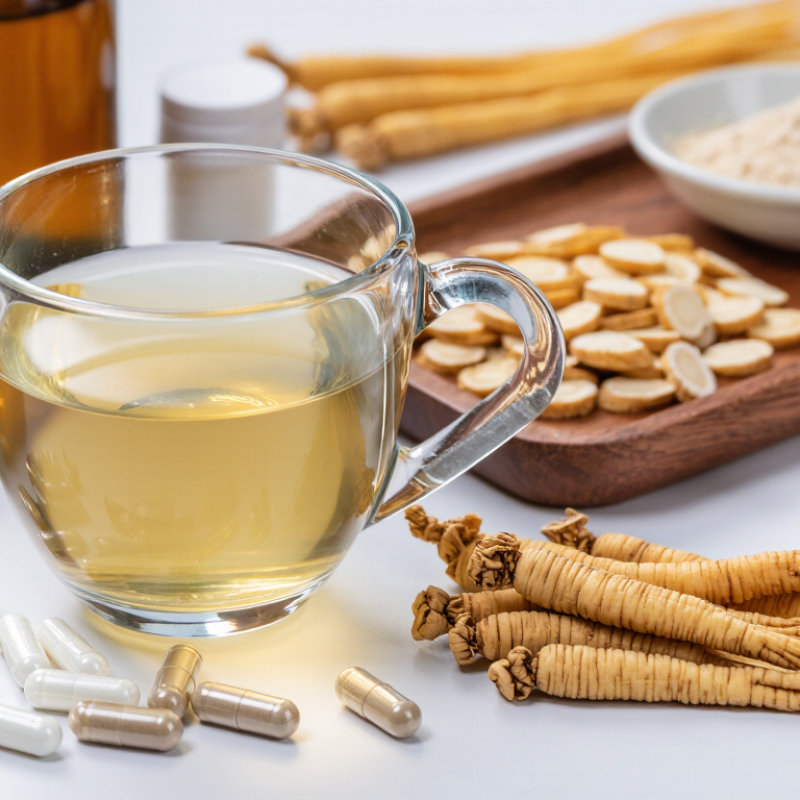
Table of Contents [Hide]
What Is Ginseng Extract?
Ginseng extract is a concentrated preparation made from the roots of ginseng plants. Manufacturers usually wash, dry, and process the roots into liquid, powder, or capsules. The final extract may contain ginsenosides, which are natural compounds commonly studied in ginseng research. Their levels can vary widely between plant species, growing regions, root ages, and extraction methods.
That difference matters. Two products labeled “ginseng extract” may not have the same strength or chemical profile. The label can mislead. Reliable products should identify the ginseng species, plant part, extraction ratio, and standardized compound content. Without these details, comparing supplements becomes difficult.
People traditionally use ginseng for energy, mental focus, and general wellness. Modern studies have explored possible effects on fatigue, blood sugar regulation, and immune function. However, evidence remains mixed, and results may depend on the extract’s composition. It is not a magic answer. Some users report benefits, while others notice little change.
Ginseng can cause insomnia, headaches, stomach discomfort, or nervousness in some people. It may also interact with medicines, including drugs affecting blood sugar or blood clotting. Pregnant individuals, people with chronic conditions, and anyone taking medication should seek professional advice first. Careful product selection helps, but it does not replace medical judgment.