- Hospital Furniture
- Neonatal Care Product
- Operating Surgical Tables
- Orthopedic Implants
- Surgical Operating Led Lights
- Orthopedic External Fixators
- Laryngoscopes
- Orthopaedic Power Tools
- Medical Disposables
- Hospital Clothing
- Anaesthesia Products
- Autoclaves & Sterilizers
- Hospital Holloware
- Suction Units
- Rehabilitation Aids
- Stethoscopes
- Anesthesia Machine & Ventilators
- Cold Chain Equipment
- Electro Medical Equipments
- Orthopedic Instruments
- Surgical Operating Led Lights
- Physiotherapy products
How to Source Ginseng Extract in 2026?
Sourcing Ginseng Extract in 2026 requires more than comparing prices on a supplier spreadsheet. Buyers must verify botanical identity, cultivation practices, extraction methods, and batch consistency. The key question is simple: what exactly is inside the drum?
Market reports show why this category deserves careful evaluation. Grand View Research estimated the global ginseng market at approximately USD 1.15 billion in 2023, with continued growth expected through 2030. IMARC Group has reported a larger market value, reflecting different product definitions and regional coverage. These figures are not directly interchangeable. However, both reports indicate expanding demand for standardized botanical ingredients. The American Botanical Council’s HerbalGram market reports also provide useful context on consumer interest in herbal supplements in the United States.
A reliable sourcing process should request certificates of analysis, identity testing, heavy-metal results, pesticide screening, and microbiological data. Ask whether the extract is standardized by total ginsenosides or specific compounds, such as Rg1, Rb1, and Rg3. The label matters.
Experience also reveals a practical problem. Some suppliers present attractive specifications without explaining sampling methods or laboratory accreditation. A low price may hide weaker traceability, unstable supply, or inconsistent potency. That risk becomes visible when two lots look identical but dissolve differently in water.
No scorecard is flawless. Buyers should still audit assumptions, compare independent test results, and inspect production records where possible. This guide explains how to evaluate Ginseng Extract suppliers in 2026, from raw-material origin to final documentation, while keeping quality, transparency, and regulatory responsibility at the center.
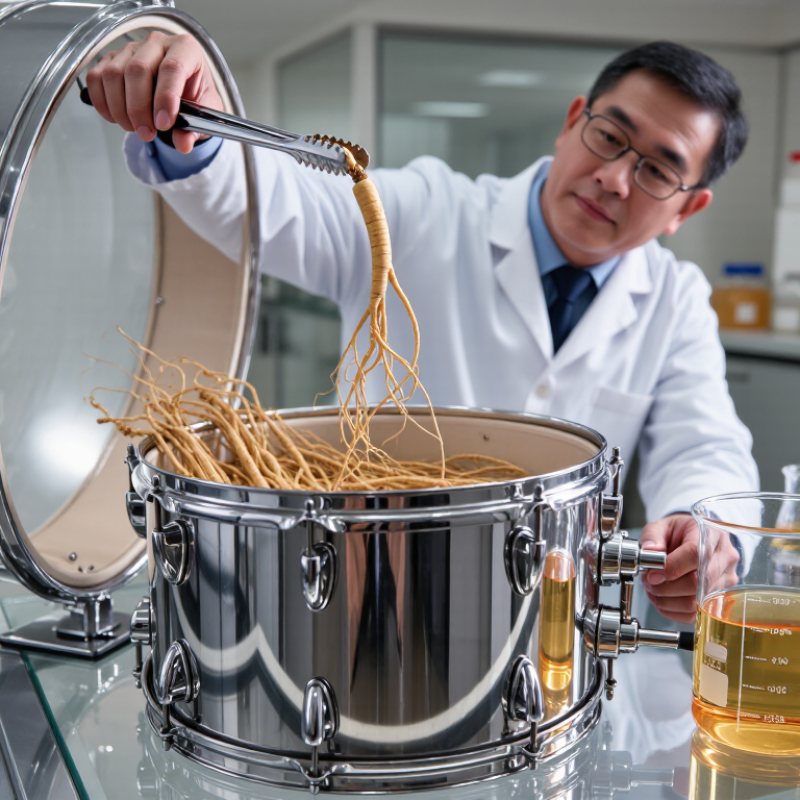
Table of Contents [Hide]
Define Panax Species, Origin, and a 10:1 Extract Ratio for 2026
How to Source Ginseng Extract in 2026?
Start by defining the Panax species on your purchasing specification. Panax ginseng C.A. Meyer usually refers to Asian ginseng, while Panax quinquefolius refers to American ginseng. These species are not interchangeable. Their ginsenoside profiles, growing regions, and commercial uses can differ. Request the botanical name, plant part, cultivation country, harvest year, and root age. “Ginseng extract” alone is too vague.
A 10:1 extract ratio means approximately ten kilograms of raw root produce one kilogram of extract. It does not automatically mean ten times stronger. Processing losses, moisture, extraction solvents, and carrier materials affect the final result. Ask for the native extract ratio, solvent details, and a current certificate of analysis. Test for marker ginsenosides, identity, microbial limits, heavy metals, pesticides, and undeclared fillers. The ratio matters.
Traceability should reach the farm or collection area. Photos, batch records, and sealed samples can expose inconsistencies early. I would compare two batches before committing to a yearly contract. One supplier may provide a beautiful specification sheet but weak lot-to-lot evidence. That is a warning. Require independent laboratory verification for identity and contaminants. Also check storage conditions, because heat and humidity can change extract quality. My own sourcing mistake would be trusting a 10:1 claim without confirming whether it describes the original root or a concentrated blend.