What Is Roxburgh Rose Extract Used For?
Roxburgh Rose Extract comes from the fruit of Rosa roxburghii, a thorny rose species grown in parts of Asia. Its small, textured fruits are used in foods and traditional preparations. Today, the extract appears in supplements, drinks, and skincare products. But what is it actually used for, and what can current evidence tell us?
The fruit contains vitamin C and other naturally occurring plant compounds, including polyphenols. These have attracted research interest for their antioxidant activity. That sounds promising. Still, laboratory findings do not prove that a supplement prevents or treats disease in people. Research on specific health benefits remains limited, and product strength can differ between brands. A label may list Roxburgh Rose Extract without clearly stating how much of its active compounds it provides.
This guide looks at common uses, potential benefits, and practical safety questions. It distinguishes traditional use from claims supported by human studies. It also considers what to check on a product label, such as the ingredient list, serving size, and quality testing information. Small details matter. If you take medication, have a health condition, or are pregnant, seek advice from a qualified healthcare professional before using a concentrated extract. Natural does not always mean suitable for everyone.
Botanical Identity and Natural Sources of Roxburgh Rose Extract
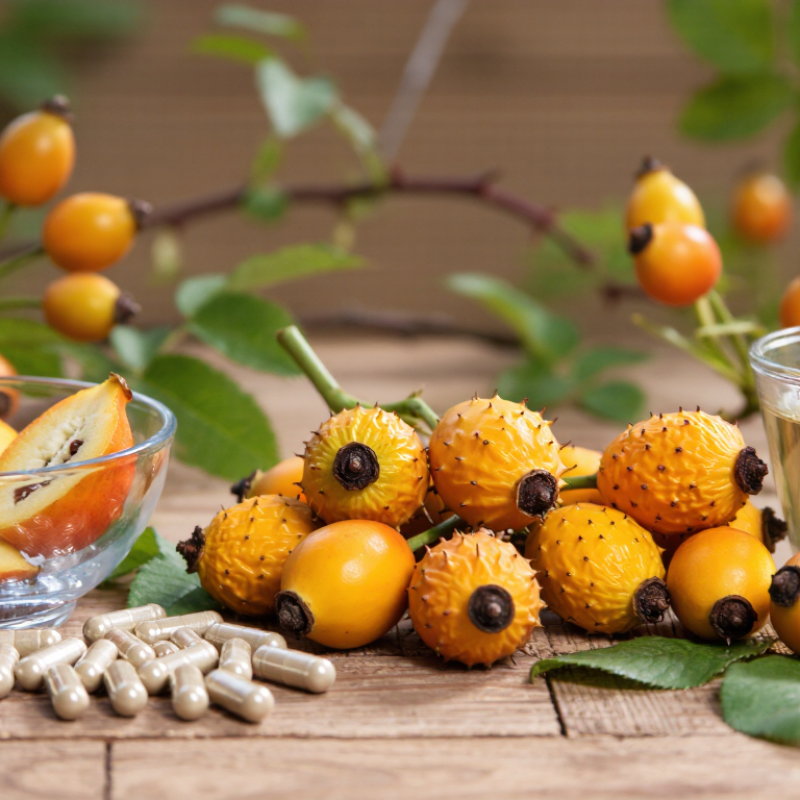
Roxburgh rose extract comes from Rosa roxburghii, a thorny shrub native to parts of China and nearby regions of East Asia. Its round, prickly fruits are often called chestnut roses because their surface resembles a spiked husk. The fruit’s botanical identity matters: extracts from different rose species can vary in aroma, color, and composition.
The fruit is valued as a source of vitamin C and other naturally occurring compounds, including polyphenols. Depending on the plant material and extraction method, these constituents may be used in foods, beverages, or cosmetic formulations. The fruit has a tart, distinctive flavor, sometimes softened in processed preparations. Small details matter.
Roxburgh rose grows in varied upland environments, and harvest conditions can affect fruit quality. A label stating “Roxburgh rose extract” does not, by itself, reveal which plant part was used or how concentrated the extract is. Those details deserve a closer look. Botanical names, ingredient lists, and reliable sourcing information help clarify what a product contains. Evidence for specific health effects remains limited, so traditional use should not be mistaken for proven treatment.
What Is Roxburgh Rose Extract Used For?
Roxburgh rose extract comes primarily from the fruit of Rosa roxburghii Tratt., a rose species native to parts of China. Fruit-based preparations are traditionally used as food ingredients and are also studied for their naturally occurring vitamin C, polyphenols, and other antioxidant compounds. Seed oil is a separate botanical material obtained from the fruit seeds.
The chart shows documented botanical source materials used in Roxburgh rose preparations. Fruit is the principal source for fruit extracts, while seeds are used to obtain seed oil. These traditional and research-related uses do not establish a medical treatment claim.
Traditional and Modern Uses of Roxburgh Rose Extract
What Is Roxburgh Rose Extract Used For?
Traditional and Modern Uses of Roxburgh Rose Extract
Roxburgh rose extract comes from the fruit of Rosa roxburghii, a plant long used in parts of China. Traditionally, people consumed the fruit as juice, preserves, tea, or a sour food ingredient. It was valued as a refreshing source of nutrients, especially during seasonal changes. Some traditional practices also used it to support digestion and general wellness. These uses reflect cultural experience, not guaranteed medical effects.
Modern interest focuses on its vitamin C, polyphenols, and other antioxidant compounds. Extracts now appear in dietary supplements, drinks, and skincare formulas. In skincare, they may help support a brighter-looking complexion and protect against everyday environmental stress. In nutrition research, scientists are studying possible links with immune support, oxidative balance, and metabolic health. Evidence remains uneven.
The form matters. A concentrated extract is not the same as fresh fruit or tea. Dosage, processing, and storage can change its chemical profile. I would not treat every “natural” claim as proven. Human studies are still limited, and laboratory findings may not translate directly to daily benefits. People with medical conditions, allergies, or regular medication use should seek professional advice before taking concentrated products. Its traditional reputation is meaningful, but careful interpretation is still necessary.
Potential Skin, Health, and Wellness Applications
Roxburgh rose, also known as Rosa roxburghii, is valued for its fruit, which contains vitamin C and other plant compounds. In skincare, its extract may be included in serums or creams to support antioxidant care. Antioxidants can help limit damage from environmental stressors, but that does not mean the extract erases wrinkles or treats skin disease. Research on specific finished products remains limited.
For skin, the practical use is simple: apply a small amount to clean skin and watch for redness, itching, or stinging. Patch testing is sensible, especially for sensitive skin. Formulas differ, and processing can affect the compounds that remain in an extract. That detail matters. A fruit’s nutrient profile does not automatically describe what a cream delivers.
Roxburgh rose is also used in foods and oral wellness products in some regions. Its nutrients may contribute to a varied diet, but evidence does not establish it as a treatment for illness or a replacement for balanced meals. Supplements can vary in strength and quality. People who are pregnant, take medication, or manage a health condition should ask a qualified health professional before using concentrated products. The research is still developing, so modest expectations are wise.
What Is Roxburgh Rose Extract Used For? - Potential Skin, Health, and Wellness Applications
| Application area | Potential use | What is known | Evidence and limitations |
| Skin care | Use in topical products intended to provide antioxidant support or help condition the skin. | Rosa roxburghii fruit contains antioxidant compounds, including vitamin C and polyphenols. The composition of an extract varies with the plant material and processing method. | Laboratory findings do not establish that a topical product improves skin in people. Clinical evidence for Roxburgh rose extract specifically is limited. |
| Dietary antioxidant intake | Consumed as an ingredient in foods or beverages, where permitted and appropriately prepared. | The fruit is used as a food in parts of China and is reported to contain vitamin C and other naturally occurring plant compounds. | Nutrient levels vary by fruit, preparation, and storage. An extract should not be assumed to provide a particular dose of vitamin C unless its label or analysis confirms it. |
| General wellness | Included in supplements or functional foods marketed for general nutritional support. | Its plant compounds are being studied for antioxidant activity and other biological effects. | There is not enough reliable human evidence to conclude that Roxburgh rose extract prevents or treats disease or produces a specific wellness benefit. |
| Digestive wellness | Traditional or food-based use may be associated with digestive wellness in some settings. | Traditional use and laboratory research can provide context for further study, but they are not proof of clinical effectiveness. | Human evidence for treating digestive symptoms with the extract is insufficient. Persistent or severe symptoms need medical assessment. |
| Research into metabolic health | Investigated in preclinical research for possible effects on metabolic processes. | Some studies of plant extracts examine biological markers in laboratory or animal models. | Preclinical results cannot establish benefits in people. The extract should not replace prescribed care for blood sugar, cholesterol, or other conditions. |
| Use and safety considerations | Follow the directions for the specific food, supplement, or topical product. | Products can differ in concentration, ingredients, and quality. Topical products may cause irritation or an allergic reaction in some people. | Safety data for concentrated extracts are limited. People who are pregnant or breastfeeding, take medicines, or have a medical condition should consult a qualified healthcare professional before using a supplement. |
Note: Roxburgh rose refers to Rosa roxburghii. Potential applications should be distinguished from proven medical benefits; research on this extract in humans remains limited.
Safety, Dosage, and Important Usage Considerations
Roxburgh rose extract is made from the fruit of Rosa roxburghii, also called chestnut rose. It is marketed for its naturally occurring vitamin C and other plant compounds. However, evidence for specific health benefits in people remains limited. A 2023 review in Foods describes promising laboratory and animal findings, but these do not establish an effective or safe human dose. Promising is not proven.
There is no widely accepted dosage for Roxburgh rose extract. Product strength and preparation vary, so a spoonful of one powder may not match another. Check the label for the extract amount and added ingredients. Do not treat vitamin C content as the extract’s full dose. The U.S. National Institutes of Health Office of Dietary Supplements sets an adult upper limit of 2,000 mg of vitamin C per day from all sources; this is not a recommended dose for rose extract. Too much vitamin C can cause diarrhea, nausea, or stomach cramps.
Take care if you are pregnant, breastfeeding, managing a health condition, or using regular medication. Ask a qualified healthcare professional before starting it, especially if you have a history of kidney stones or iron overload. Stop use if you develop a rash, swelling, or persistent stomach upset. Supplements are not reviewed for effectiveness before sale in the same way as medicines, so keep the packaging and note how much you take. The evidence is still thin. That matters.