- Hospital Furniture
- Neonatal Care Product
- Operating Surgical Tables
- Orthopedic Implants
- Surgical Operating Led Lights
- Orthopedic External Fixators
- Laryngoscopes
- Orthopaedic Power Tools
- Medical Disposables
- Hospital Clothing
- Anaesthesia Products
- Autoclaves & Sterilizers
- Hospital Holloware
- Suction Units
- Rehabilitation Aids
- Stethoscopes
- Anesthesia Machine & Ventilators
- Cold Chain Equipment
- Electro Medical Equipments
- Orthopedic Instruments
- Surgical Operating Led Lights
- Physiotherapy products
7 Tips for Buying Red Light Treatment Face Devices?
Choosing a Red Light Treatment Face device can feel simple until product pages start promising brighter, smoother-looking skin. Prices vary widely, and impressive photos do not explain how a device performs. A careful purchase starts with practical questions, not dramatic claims. What wavelengths does it use? How long is each session? Does the mask fit comfortably around your nose and cheeks? Small details matter. A device that sits unevenly may be difficult to use consistently.
This guide introduces seven checks to make before buying, including light specifications, eye protection, comfort, cleaning, and warranty terms. Look for clear manufacturer information rather than vague phrases like “professional strength.” Check whether the instructions explain treatment time, distance, and any precautions. These details help you compare products more fairly, though they cannot guarantee a particular result. Not always. Skin responses differ, and visible changes may take time. Red light devices should not replace advice from a qualified healthcare professional, especially if you have a skin condition, take medication that increases light sensitivity, or are unsure whether treatment is suitable for you. It is also worth checking current safety and regulatory information for your location; standards and product classifications can differ. No device is perfect. I would treat bold claims cautiously, read the fine print, and choose a product with transparent guidance and a realistic return policy. That makes the decision less about hype and more about fit, safety, and everyday use.
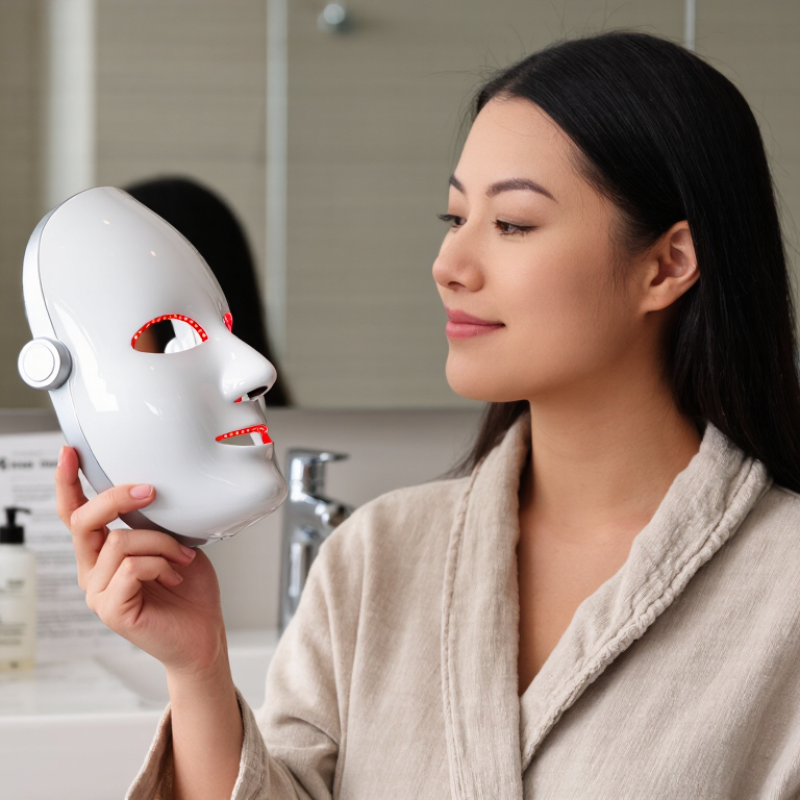
Table of Contents [Hide]
Understanding How Red Light Face Devices Work
Red-light face devices deliver low-level light, usually within the visible red range, to skin tissue. Researchers study photobiomodulation: light may interact with cellular structures, including mitochondria, and influence energy signaling and inflammation. The exact pathways are still being investigated. Results depend on wavelength, power, treatment time, and how closely a device is used as directed. Not magic.
A 2014 randomized, placebo-controlled study in Photomedicine and Laser Surgery included 136 volunteers receiving red or near-infrared LED treatments. Researchers reported improvements in skin texture and elasticity, but one trial cannot predict every user’s results. Red light is not ultraviolet light, and benefits should not be assumed from a device’s color alone. Dose matters.
Tips: Check the listed wavelength and treatment instructions. Look for independent clinical evidence, not just testimonials. Use the device on clean, dry skin. Keep it at the stated distance. Follow the recommended session length; longer use is not automatically better. Protect your eyes as the manufacturer directs. Stop if irritation develops, and ask a qualified clinician about persistent skin concerns. Small steps.