- Hospital Furniture
- Neonatal Care Product
- Operating Surgical Tables
- Orthopedic Implants
- Surgical Operating Led Lights
- Orthopedic External Fixators
- Laryngoscopes
- Orthopaedic Power Tools
- Medical Disposables
- Hospital Clothing
- Anaesthesia Products
- Autoclaves & Sterilizers
- Hospital Holloware
- Suction Units
- Rehabilitation Aids
- Stethoscopes
- Anesthesia Machine & Ventilators
- Cold Chain Equipment
- Electro Medical Equipments
- Orthopedic Instruments
- Surgical Operating Led Lights
- Physiotherapy products
Who Are the Top 10 OCR Inspection Suppliers in China?
China’s factory floors now rely on cameras to catch defects that human checks may miss. Ocr Inspection systems read dates, codes, labels, and printed characters while production lines keep moving. Their value is practical: a blurred batch code or misplaced label can trigger rework, slow packing, and complicate traceability.
The International Federation of Robotics reported 541,302 industrial robot installations worldwide in 2023, with 4,281,585 robots operating in factories. These figures, published in World Robotics 2024, show the scale of industrial automation—not OCR adoption specifically. Still, as automated lines expand, inspection tools must keep pace with faster conveyors, changing packaging, and inconsistent print quality. Small defects count.
This article examines ten OCR inspection suppliers in China and the capabilities buyers should compare. It considers image processing, reading accuracy, integration options, service support, and performance under real production conditions. Supplier rankings can be imperfect: public evidence varies, and results depend on lighting, camera setup, product speed, and code quality. A system that performs well on a sample may struggle beside a vibrating conveyor at full shift speed. Treat the list as a starting point, then verify claims with application tests, references, and clear acceptance criteria.
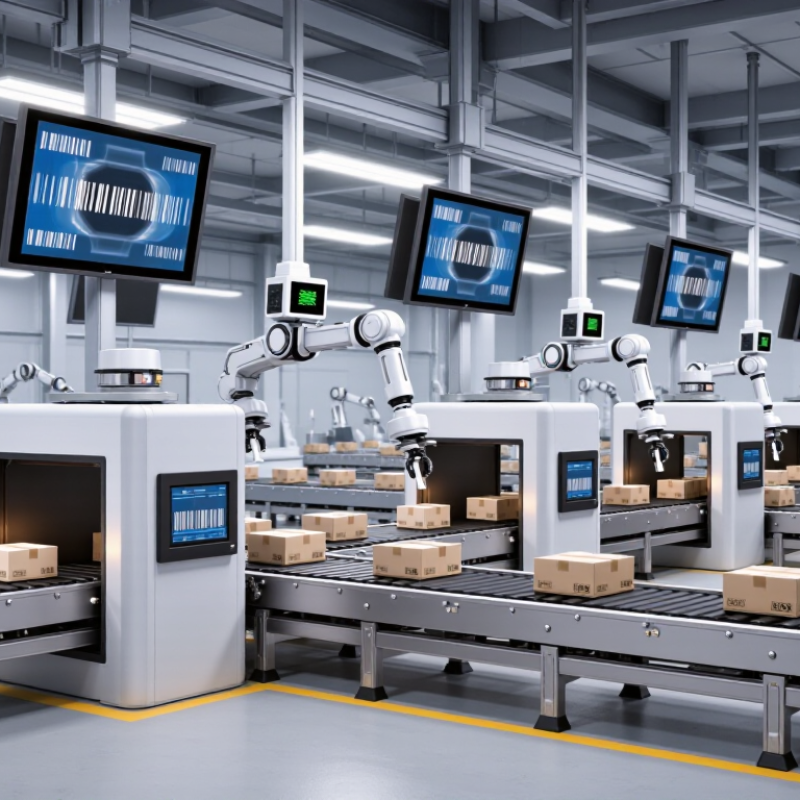
Table of Contents [Hide]
What OCR Inspection Systems Do and How They Work
An OCR inspection system reads printed or marked characters on products as they move along a production line. It typically combines a camera, lens, controlled lighting, image-processing software, and a connection to line controls. The camera captures each item after a sensor trigger. Software then locates the text, separates characters, and compares the reading with a required code or format. A mismatch can trigger an alert or rejection.
Lighting matters. Glare on a curved bottle or faint ink on a carton can turn clear text into uncertain pixels. The 2023 Machine Vision Market report by MarketsandMarkets estimated the global machine-vision market at $14.0 billion in 2023, with a forecast of $19.6 billion by 2028. These figures cover machine vision broadly, not OCR alone. That distinction matters. In practical evaluations, teams should test actual materials, print methods, line speeds, and likely defects—not just clean sample images. OCR can also confuse similar characters, such as “8” and “B.” Better cameras help, but they do not fix every setup problem. Calibration and ongoing checks still deserve attention.