- Hospital Furniture
- Neonatal Care Product
- Operating Surgical Tables
- Orthopedic Implants
- Surgical Operating Led Lights
- Orthopedic External Fixators
- Laryngoscopes
- Orthopaedic Power Tools
- Medical Disposables
- Hospital Clothing
- Anaesthesia Products
- Autoclaves & Sterilizers
- Hospital Holloware
- Suction Units
- Rehabilitation Aids
- Stethoscopes
- Anesthesia Machine & Ventilators
- Cold Chain Equipment
- Electro Medical Equipments
- Orthopedic Instruments
- Surgical Operating Led Lights
- Physiotherapy products
Top Blood Transfusion Machines for Global Buyers?
Choosing the right Blood Transfusion Machines is not a simple price comparison. Global buyers must examine safety, accuracy, service support, and long-term operating conditions. A reliable machine should deliver controlled flow, stable pressure, clear alarms, and consistent performance during critical transfusions. Small details matter. A readable display can prevent errors in a dim hospital room. A strong battery can protect treatment during a power interruption.
Dr. Neelam Dhingra, a former World Health Organization blood-safety expert, has emphasized, “Safe blood transfusion depends on reliable systems, trained staff, and careful quality control.” Her message remains highly relevant when evaluating Blood Transfusion Machines for different healthcare markets. Buyers should review infusion accuracy, air-in-line detection, occlusion alerts, warming compatibility, and cleaning requirements. They should also confirm whether replacement parts and technical training are available locally. A machine may perform well in a laboratory, yet struggle in a rural clinic with unstable electricity and limited biomedical support.
This guide compares leading equipment categories for hospitals, blood banks, emergency departments, and mobile care teams. It considers practical ownership, not only impressive specifications. Certification is important. Validation is essential. However, product claims still require careful checking against independent testing and local procurement rules. No machine is perfect. Even experienced buyers can overlook maintenance costs, software updates, or accessory availability. That is why responsible selection combines technical evidence with real operating experience, verified supplier support, and feedback from transfusion professionals.
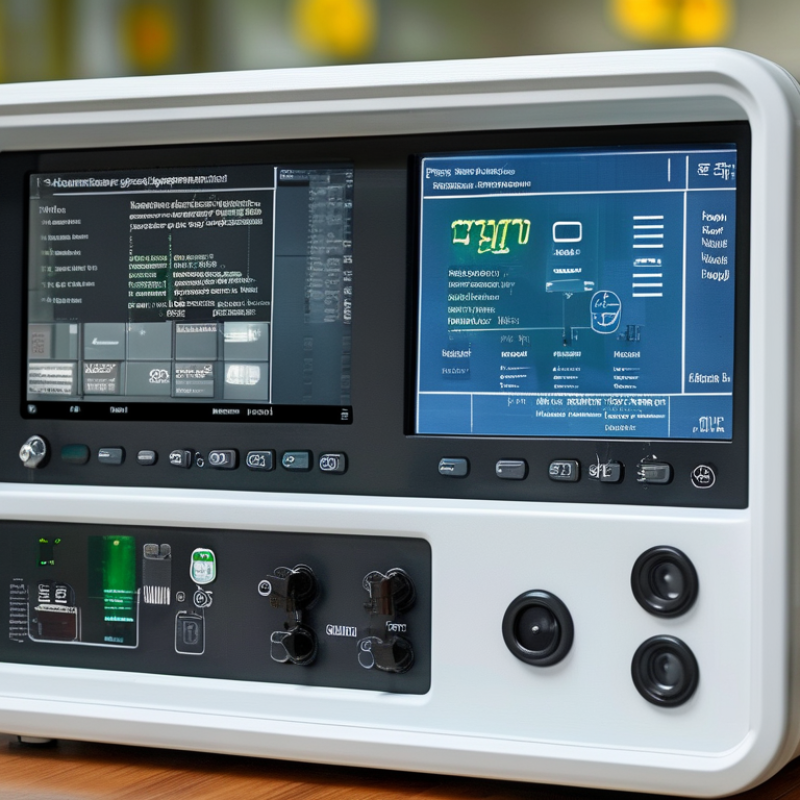
Table of Contents [Hide]
What Blood Transfusion Machines Are and How They Work
Top Blood Transfusion Machines for Global Buyers?
Blood transfusion machines are controlled systems that deliver blood components through sterile tubing. They may use a peristaltic pump, pressure control, or gravity-assisted flow. The selected method depends on the patient, blood product, and clinical setting.
A typical unit includes a fluid path, adjustable flow control, an air detector, and an occlusion alarm. Some systems also monitor pressure and help warm blood safely. The pump moves blood through the tubing without directly touching it. A filter can remove clots or particles before the blood reaches the patient. Staff must confirm the prescribed rate and inspect the tubing carefully. Small setup errors can cause serious problems. The machine supports clinical judgment; it does not replace it.
Tips: Choose equipment with clear alarms, simple controls, and documented maintenance procedures. Check compatibility with local power systems, disposable sets, and hospital protocols. Operators should receive practical training before use. They should also verify calibration, battery status, and alarm function before each procedure. Blood products require careful handling and temperature control. In real clinical work, guidelines can be misunderstood, especially during emergencies. Regular drills and independent checks make the process more reliable. No machine removes every transfusion risk.