- Hospital Furniture
- Neonatal Care Product
- Operating Surgical Tables
- Orthopedic Implants
- Surgical Operating Led Lights
- Orthopedic External Fixators
- Laryngoscopes
- Orthopaedic Power Tools
- Medical Disposables
- Hospital Clothing
- Anaesthesia Products
- Autoclaves & Sterilizers
- Hospital Holloware
- Suction Units
- Rehabilitation Aids
- Stethoscopes
- Anesthesia Machine & Ventilators
- Cold Chain Equipment
- Electro Medical Equipments
- Orthopedic Instruments
- Surgical Operating Led Lights
- Physiotherapy products
China Best Implant Surgical Instruments Supplier?
Choosing the China best implant surgical instruments supplier requires more than comparing prices or viewing polished product photos. Hospitals and distributors need dependable instruments that perform consistently during demanding procedures. A qualified supplier should understand implantology, surgical workflows, material selection, and sterilization requirements. Practical experience matters.
Look closely at the details. Forceps should close evenly without excessive play. Retractors need smooth edges and balanced handles. Stainless steel surfaces should resist corrosion after repeated cleaning cycles. Laser markings must remain readable after sterilization. These small points influence safety, handling, and long-term value. A capable manufacturer should provide material certificates, dimensional drawings, inspection records, and clear traceability. Independent quality audits can add confidence, but documents still need careful verification.
No supplier is perfect. Product quality may vary between batches, and communication can sometimes slow technical decisions. This reality deserves honest attention. A reliable partner welcomes sample testing, answers questions directly, and explains limitations instead of promising everything. Buyers should review production experience, quality management systems, complaint procedures, and after-sales support before placing an order. They should also confirm whether instruments match local clinical practices and regulatory expectations. The best choice is not always the largest factory. It is the supplier that combines proven expertise, transparent evidence, responsive service, and consistent implant surgical instruments. Careful evaluation protects both clinical performance and purchasing decisions.
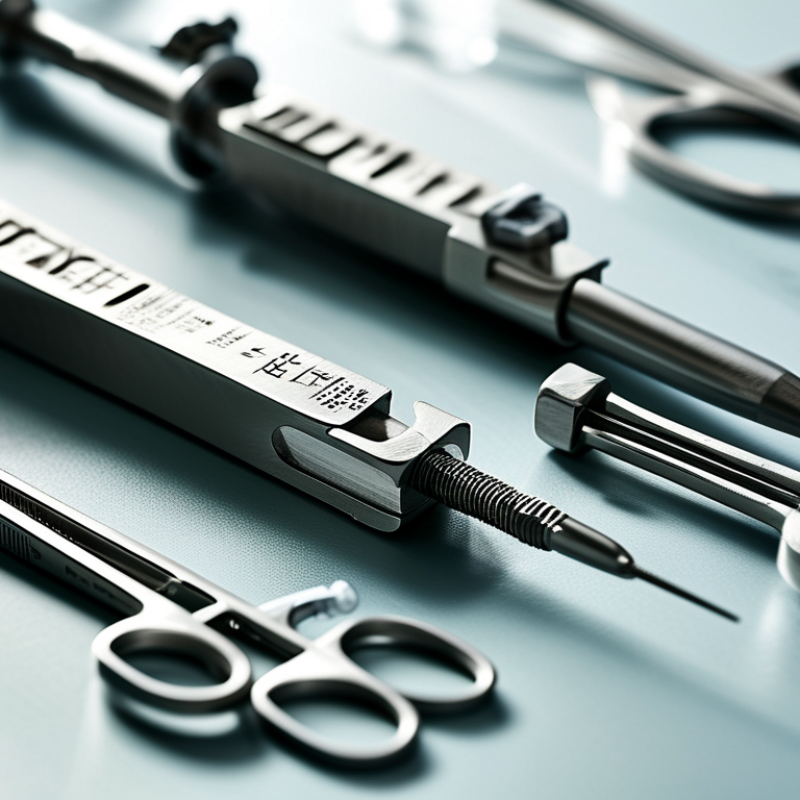
Table of Contents
[Hide]
Definition and Scope of Implant Surgical Instruments
China Best Implant Surgical Instruments Supplier?
Definition and Scope of Implant Surgical Instruments
Implant surgical instruments are reusable or single-use tools designed to prepare tissue, position an implant, and verify alignment. The scope includes retractors, drill guides, osteotomes, depth gauges, trial components, insertion drivers, torque tools, and extraction instruments. A 3.5-millimeter drill guide may control entry direction, while a calibrated torque wrench helps protect the implant connection. The boundary is not perfectly clean.
The Lancet Commission on Global Surgery reported about 313 million surgical procedures worldwide each year. This volume increases demand for instruments that support consistent, repeatable implant procedures. Grand View Research valued the global surgical instruments market at approximately USD 20.8 billion in 2023. Its forecast also indicates continued growth through 2030. These figures cover broader surgical tools, not implant instruments alone, so estimates require careful interpretation.
For a capable supplier, scope means more than machining metal. It includes material traceability, dimensional inspection, surface finishing, cleaning validation, packaging, and controlled documentation. ISO 13485 quality systems and ISO 14971 risk management provide useful reference points for supplier evaluation. In practice, engineers should inspect jaw engagement, handle balance, laser markings, and sterilization compatibility. Small defects can matter. A misplaced depth mark may influence surgical judgment. Product files should identify tolerances, intended use, and maintenance limits. Procurement teams sometimes focus on price first, but that habit deserves reconsideration. Lowest cost does not always mean lowest clinical risk.
Related Posts
-
Top 10 Surgical Instruments You Need to Know About?
-
2026 Best Medical Tables for Global Buyers to Consider
-

2026 Top Care Equipment Trends for Better Health and Wellbeing?
-
Best Medical Device Instruments for Global Buyers?
-
2026 How to Choose the Best Orthopedic Surgical Instruments for Your Practice?
-
How to Source Medical Tools Globally in 2026?