
- Hospital Furniture
- Neonatal Care Product
- Operating Surgical Tables
- Orthopedic Implants
- Surgical Operating Led Lights
- Orthopedic External Fixators
- Laryngoscopes
- Orthopaedic Power Tools
- Medical Disposables
- Hospital Clothing
- Anaesthesia Products
- Autoclaves & Sterilizers
- Hospital Holloware
- Suction Units
- Rehabilitation Aids
- Stethoscopes
- Anesthesia Machine & Ventilators
- Cold Chain Equipment
- Electro Medical Equipments
- Orthopedic Instruments
- Surgical Operating Led Lights
- Physiotherapy products
What Are Vitamin Derivatives Used For?
Vitamin derivatives are modified forms of vitamins designed to improve stability, absorption, or targeted activity. They appear in medicines, skincare products, fortified foods, and laboratory research. Their purposes vary widely. A retinoid cream may support acne treatment and skin renewal, while a vitamin D analogue may help manage specific mineral-balance disorders under medical supervision. The original vitamin and its derivative may behave very differently.
A small tube of retinol beside a cleanser shows how familiar these compounds have become. However, cosmetic use does not make every product risk-free. Some derivatives can cause dryness, redness, photosensitivity, or interactions with other treatments. Dosage and delivery method matter. A pharmacist or dermatologist can explain these differences more reliably than a product label alone. Clinical evidence also varies between ingredients, conditions, and patient groups.
Vitamin derivatives can support treatment, prevention, or appearance-related goals, but they are not universal solutions. They should not replace a balanced diet or prescribed care without professional guidance. This topic deserves careful attention. Even popular ingredients may be misunderstood. Research findings can also change as stronger trials become available. Understanding the derivative, its proven use, and its potential limitations helps readers make safer, more informed decisions. The most useful question is not simply, “Does it contain a vitamin?” It is, “What does this specific derivative do, and for whom?”
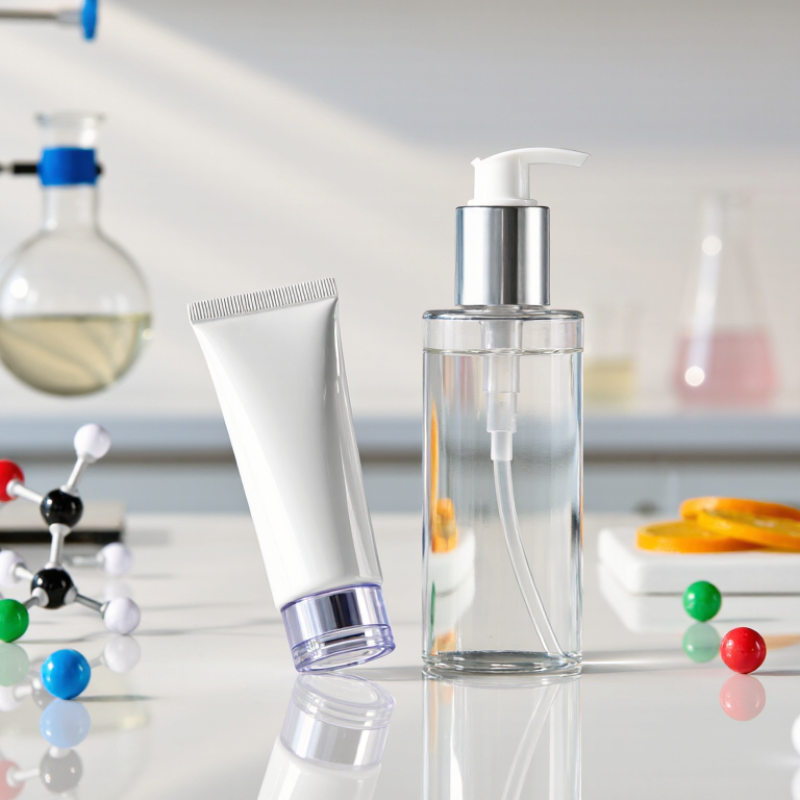
Table of Contents [Hide]
What Are Vitamin Derivatives?
Vitamin derivatives are modified forms of vitamins. Their chemical structure changes slightly, but their biological purpose may remain related. Common examples include retinyl esters, retinaldehyde, nicotinamide, tocopheryl acetate, and magnesium ascorbyl phosphate. These forms can improve stability, solubility, absorption, or skin tolerance. The distinction is not always tidy.
In skincare, vitamin A derivatives support cell renewal and may help reduce uneven texture. Vitamin C derivatives are often chosen because pure ascorbic acid can oxidize quickly when exposed to air and light. Vitamin E derivatives can protect formulas from oxidation while supporting the skin barrier. A 2023 Grand View Research report valued the global skincare products market at approximately 155.7 billion US dollars in 2022, showing the scale of demand for functional ingredients. However, market size does not prove clinical effectiveness.
In medicine and nutrition, derivatives may help deliver vitamins in more practical forms. Some are used in supplements, fortified foods, and specialized treatments. The NIH Office of Dietary Supplements states that adults generally need 75–90 milligrams of vitamin C daily, depending on sex and life stage. Dosage still matters. More is not automatically better. A derivative may be gentler, but it can also act more slowly or have less supporting research. Professionals should assess concentration, stability, formulation, and individual sensitivity before recommending use. My own view is cautious: the label “vitamin-derived” sounds impressive, but it does not replace evidence.