- Hospital Furniture
- Neonatal Care Product
- Operating Surgical Tables
- Orthopedic Implants
- Surgical Operating Led Lights
- Orthopedic External Fixators
- Laryngoscopes
- Orthopaedic Power Tools
- Medical Disposables
- Hospital Clothing
- Anaesthesia Products
- Autoclaves & Sterilizers
- Hospital Holloware
- Suction Units
- Rehabilitation Aids
- Stethoscopes
- Anesthesia Machine & Ventilators
- Cold Chain Equipment
- Electro Medical Equipments
- Orthopedic Instruments
- Surgical Operating Led Lights
- Physiotherapy products
What Is the Best Laser Cleaning Technology?
Choosing the best Laser Cleaning Technology is not simply a matter of selecting the highest power. The right system must match the material, contaminant, surface condition, and production target. Rust on carbon steel behaves differently from paint on aluminium. Oil, oxide, soot, and thermal scale also absorb laser energy in different ways. A carefully tuned pulse can remove contamination while leaving the base surface unchanged. An excessive setting may discolor, roughen, or weaken it.
Dr. John F. Ready, a respected researcher in laser-material interactions, stated, “The effect of laser radiation depends on the material, the wavelength, and the exposure time.” This principle remains highly relevant. A modern system may use pulsed fiber lasers, continuous-wave lasers, or short-pulse sources. Each option offers different advantages in speed, precision, heat control, and operating cost. However, no single technology wins every application. That assumption needs questioning.
The best solution usually appears after practical testing. Measure the surface before cleaning. Record pulse energy, scanning speed, focus distance, and residue levels. Watch the beam move across a scratched metal panel. Check the cleaned area under magnification. Then test adhesion, roughness, and corrosion resistance. These details build reliable evidence.
Laser cleaning can reduce abrasives, chemical waste, and secondary surface damage. It can also create dust and fumes when coatings vaporize. Proper extraction, shielding, training, and risk assessment remain essential. Performance claims should be supported by trials, not attractive brochures. The sections ahead compare major Laser Cleaning Technology options and explain where each one performs well, where it struggles, and why the “best” choice may depend on one overlooked detail.
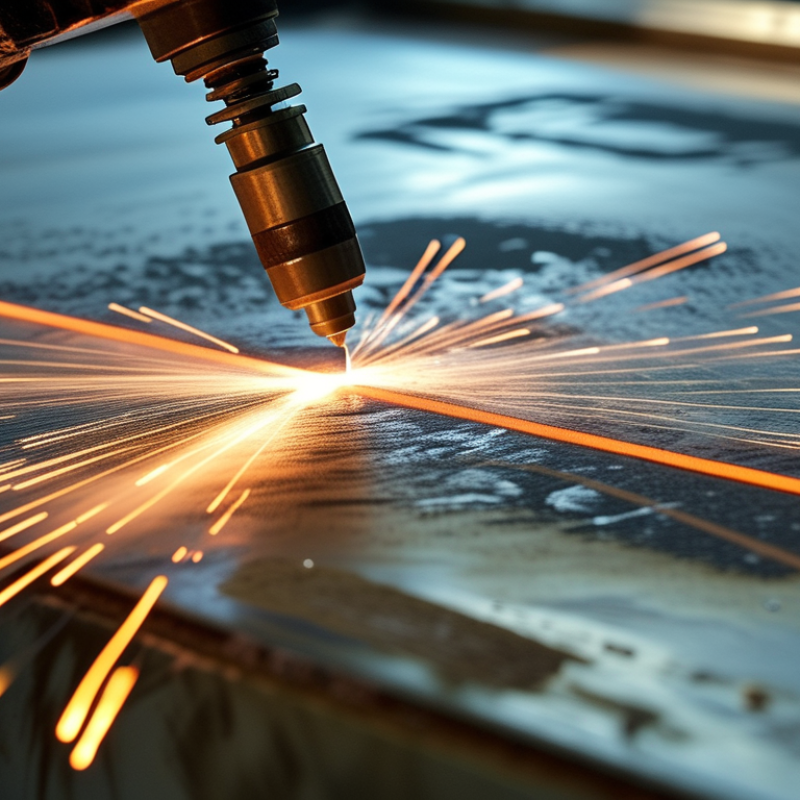
Table of Contents [Hide]
What Is Laser Cleaning Technology?
Laser cleaning technology removes rust, paint, oil, and oxide layers with controlled laser energy. A focused beam strikes the unwanted layer, causing rapid heating, vaporization, or mechanical separation. The base material should absorb less energy than the contaminant. That balance is the core principle.
Pulsed lasers usually suit delicate surfaces, detailed parts, and thin coatings. Their short bursts limit heat transfer into the substrate. Continuous-wave systems can process larger areas faster, but they may create discoloration or thermal distortion. The best choice depends on wavelength, pulse duration, power density, scanning speed, and surface reflectivity. It is not simply a power contest.
MarketsandMarkets estimated the laser cleaning market at about 587 million dollars in 2024, with projections approaching 1.1 billion dollars by 2029. Such growth reflects wider industrial testing, not universal process success.
In practical trials, technicians first measure coating thickness and inspect the substrate under magnification. They then begin with low fluence and increase it gradually. A visible color change can signal excessive heat. Dust extraction, enclosure design, and operator protection also matter. ISO 11553-1:2020 addresses laser-processing safety requirements, including protective controls and risk management. A clean surface is not automatically a successful result. Residual particles may remain inside pores, while an apparently bright finish may hide microscopic damage. This is where the technology still demands judgment, careful records, and honest rework.