
- Hospital Furniture
- Neonatal Care Product
- Operating Surgical Tables
- Orthopedic Implants
- Surgical Operating Led Lights
- Orthopedic External Fixators
- Laryngoscopes
- Orthopaedic Power Tools
- Medical Disposables
- Hospital Clothing
- Anaesthesia Products
- Autoclaves & Sterilizers
- Hospital Holloware
- Suction Units
- Rehabilitation Aids
- Stethoscopes
- Anesthesia Machine & Ventilators
- Cold Chain Equipment
- Electro Medical Equipments
- Orthopedic Instruments
- Surgical Operating Led Lights
- Physiotherapy products
Why Choose a China Waterproof Surgical Bandage Manufacturer?
Why Choose a China Waterproof Surgical Bandage Manufacturer?
Choosing a Waterproof Surgical Bandages Manufacturer China can strengthen supply reliability, product consistency, and cost control. Experienced factories often combine automated coating lines with skilled manual inspection. You may see silicone release liners, sealed pouches, and adhesive samples tested under controlled humidity. These details matter when a dressing must remain secure during bathing, movement, or light clinical activity.
Dr. Elaine Tan, an independent medical-device quality consultant, states, “A surgical bandage earns trust when its protection remains consistent after production.” Her point is practical. A reputable manufacturer should demonstrate documented quality systems, traceable materials, and repeatable testing. ISO 13485 certification can support confidence, but certification alone is not enough. Buyers should review audit records, technical files, stability data, and packaging performance. Ask difficult questions.
China also offers broad manufacturing capacity. Suppliers can develop transparent films, breathable nonwoven backings, customized dimensions, and private-label packaging. Their engineering teams may adjust adhesive strength for sensitive skin or different application areas. Faster sampling is another advantage. Still, lower pricing should never replace clinical suitability or quality verification.
No supplier is perfect.
Small gaps can appear. A batch may show uneven edges, weak seals, or inconsistent adhesion. Careful buyers recognize these risks early. They request pre-production samples, independent inspections, and clear corrective-action procedures. Communication quality matters too. A reliable partner explains limitations instead of making impressive promises.
For hospitals, distributors, and healthcare brands, the right manufacturer is more than a low-cost source. It is a long-term quality partner. A careful Waterproof Surgical Bandages Manufacturer China can help deliver safer, more dependable products when evidence supports every claim.
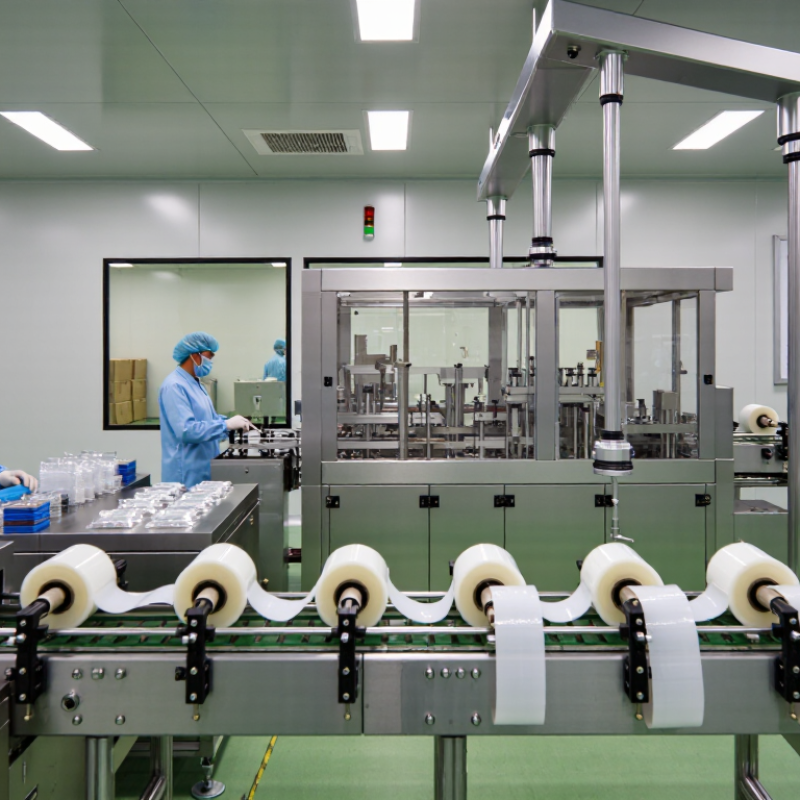
Table of Contents [Hide]
What Is a China Waterproof Surgical Bandage Manufacturer?
A China waterproof surgical bandage manufacturer designs, produces, and verifies dressings that protect wounds from external water and contamination. Its work usually combines a breathable film, medical adhesive, absorbent pad, release liner, and sterile packaging. Waterproof does not mean completely sealed. Breathability, skin comfort, adhesion, and removal force still matter.
The manufacturer should control materials, cleanroom assembly, coating, cutting, sealing, and batch traceability. Quality teams may perform water-resistance, peel-strength, absorbency, bioburden, and sterilization checks. ISO 13485:2016 provides a recognized quality-management framework for medical devices. The World Health Organization reports that approximately one in ten patients experiences harm during healthcare, with more than half considered preventable. A dependable dressing cannot remove every infection risk, but poor packaging or weak adhesion can increase exposure.
Look closely at the evidence. Ask for validation records, technical files, test methods, and samples from regular production lines. Factory photographs are not enough. The WHO’s 2023 infection-prevention report highlights higher healthcare-associated infection rates in lower-resource settings, making practical wound protection especially important. A capable Chinese manufacturer may offer OEM specifications, multilingual documentation, flexible quantities, and export experience. Yet no factory is flawless. Adhesives can irritate sensitive skin, and “waterproof” claims may fail after repeated movement. Supplier reviews should therefore examine corrective actions, complaint handling, and consistency across batches, not only the lowest quotation.