
- Hospital Furniture
- Neonatal Care Product
- Operating Surgical Tables
- Orthopedic Implants
- Surgical Operating Led Lights
- Orthopedic External Fixators
- Laryngoscopes
- Orthopaedic Power Tools
- Medical Disposables
- Hospital Clothing
- Anaesthesia Products
- Autoclaves & Sterilizers
- Hospital Holloware
- Suction Units
- Rehabilitation Aids
- Stethoscopes
- Anesthesia Machine & Ventilators
- Cold Chain Equipment
- Electro Medical Equipments
- Orthopedic Instruments
- Surgical Operating Led Lights
- Physiotherapy products
Why Choose a Long Distance Wireless Camera for Security?
Security needs have moved beyond a camera mounted beside the front door. Large yards, farm entrances, warehouses, and remote construction areas require wider reach and fewer cable limitations. A Long Distance Wireless Camera can connect distant viewpoints while reducing trenching, drilling, and installation disruption.
Industry forecasts show strong demand for video surveillance. Grand View Research valued the global market at approximately $54.2 billion in 2023. It expects a 12.9% compound annual growth rate from 2024 to 2030. MarketsandMarkets reports different figures, reflecting changing definitions and market boundaries. The direction remains clear.
But range claims deserve careful attention.
Wireless distance depends on walls, trees, metal structures, antenna height, weather, and network congestion. A camera advertised for 1,000 feet may perform very differently beside a concrete warehouse. That is where practical testing matters. Installers should measure signal strength at the intended mounting point, not only beside the router.
Bruce Schneier, a respected security technologist, states, “Security is a process, not a product.” His warning applies directly here. A reliable camera needs encrypted transmission, strong passwords, firmware updates, secure storage, and sensible access controls. Distance alone does not create protection.
The strongest reason to choose a Long Distance Wireless Camera is operational flexibility. A property owner can monitor a dark gate, distant loading bay, or isolated equipment area without extending long video cables. Motion alerts can reduce unnecessary viewing. Night vision can reveal tire tracks and open doors.
Still, wireless is not magic.
Battery life, signal interruptions, and privacy expectations require ongoing review. The best system combines measured range, clear footage, responsible data handling, and realistic maintenance planning. That balance makes the technology useful, rather than merely impressive on paper.
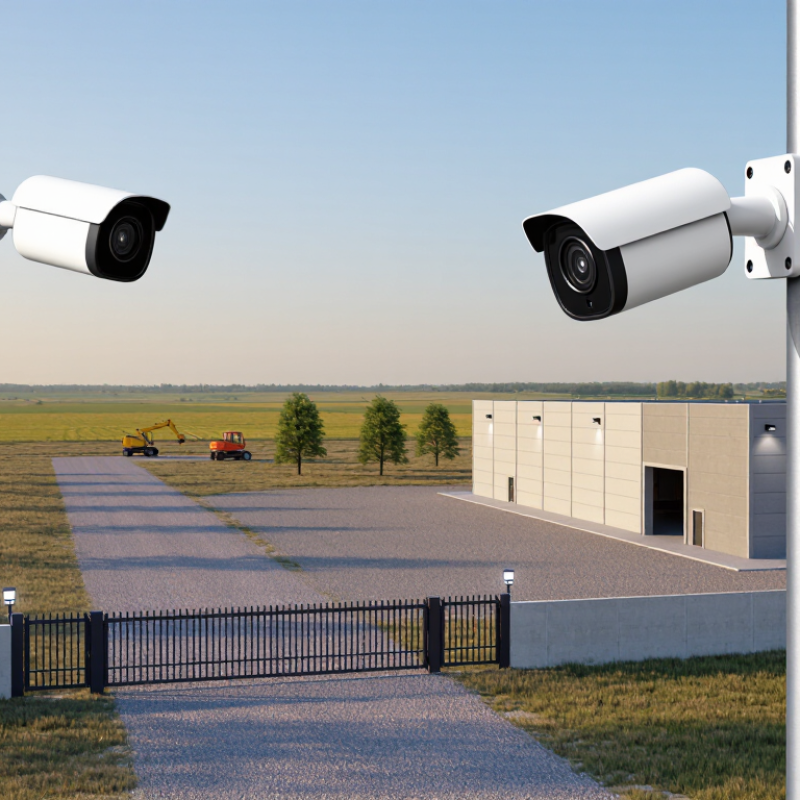
Table of Contents [Hide]
What Is a Long-Distance Wireless Camera?
A long-distance wireless camera is a security device that captures video and sends it to a receiver, recorder, or monitoring application without a conventional video cable. It may use a long-range radio connection, a cellular network, or an extended wireless network. The camera, antenna, power source, and receiver work as one system. Its useful distance depends on more than advertised specifications. Clear line of sight usually improves communication. Trees, concrete walls, metal structures, and electrical interference can weaken the signal. Real locations are less predictable.
It is not magic. In practical installations, I check the distance, mounting height, weather exposure, and power access before selecting equipment. A camera placed beside a warehouse entrance may need night illumination and a stable connection through changing weather. Motion detection can reduce unnecessary recordings, while encrypted transmission and strong account protection help limit unauthorized access. Local storage may keep footage available when the wireless link fails. That detail matters. A strong signal alone does not guarantee reliable security. I have also seen distant cameras perform poorly because installers ignored battery capacity or seasonal obstacles. The “long-distance” label can therefore be useful, but it should never replace a site survey, connection test, and careful maintenance plan.