How to Choose Orthopedic Instruments for Global Sourcing?
Choosing orthopedic instruments for global sourcing is a clinical, technical, and supply-chain decision. A low quotation may hide inconsistent metallurgy, poor ergonomics, or limited service support. The details matter.
Grand View Research valued the global orthopedic devices market at approximately USD 47.7 billion in 2023. Its outlook also indicates continued growth through 2030. This expansion increases supplier choice, but it also increases evaluation risk. Buyers should compare stainless-steel grades, surface finishing, jaw alignment, handle balance, packaging, and sterilization instructions. A forceps should close smoothly. A retractor should remain stable under controlled pressure. Small defects become serious during repeated procedures.
Patient safety must guide every purchase. The World Health Organization reports that around one in ten patients experiences harm in healthcare, with many events considered preventable. Reusable instruments therefore require documented cleaning, inspection, maintenance, and traceability processes. The U.S. Food and Drug Administration also stresses that reprocessing instructions must be clear and validated for reusable medical devices. As orthopedic surgeon Dr. Joshua J. Jacobs has said, “The quality of an implant or instrument is only as good as the system supporting its use.” That principle deserves attention during supplier audits.
Price still matters. It should not lead alone. A practical sourcing review should examine ISO 13485 certification, material certificates, batch records, complaint handling, delivery resilience, and local technical support. Samples should undergo functional testing before large orders. This approach is not flawless. Suppliers may present excellent samples and weaker production batches. Independent verification remains worthwhile. Reliable global sourcing means choosing predictable performance, not merely attractive numbers.
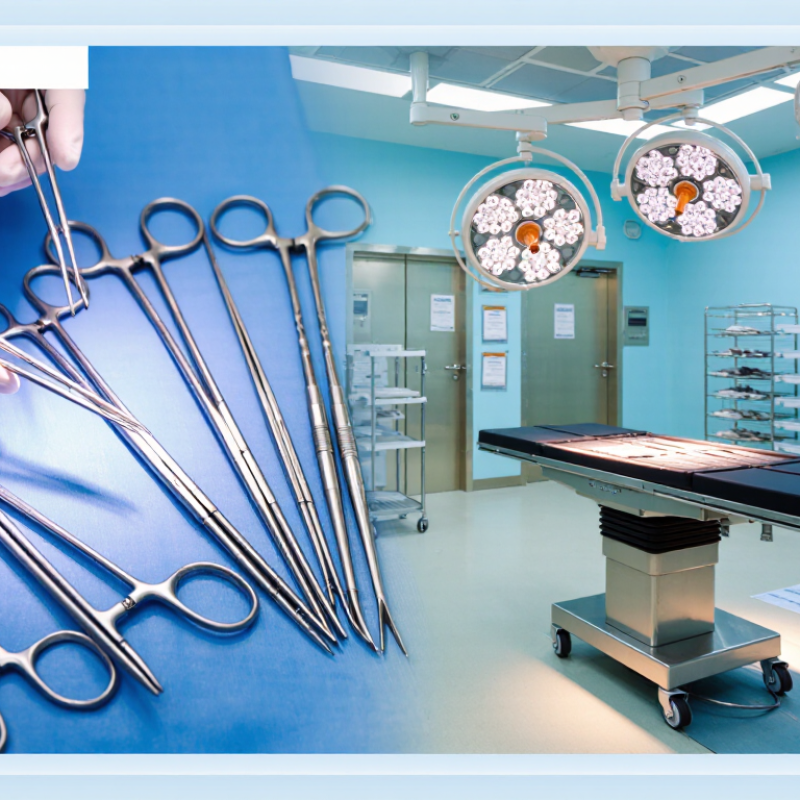
Understanding Orthopedic Instruments and Their Global Sourcing Needs
Orthopedic instruments support procedures where millimeters matter. They include bone saws, drills, retractors, forceps, osteotomes, and implant-related tools. Each instrument must match the surgeon’s technique, operating room workflow, and patient safety requirements. A comfortable grip matters during a long procedure. A dull cutting edge does not.
Global sourcing adds practical challenges. Buyers should verify stainless steel composition, surface finish, hardness, and corrosion resistance. They should also request dimensional drawings and samples before placing larger orders. Packaging needs to protect delicate tips during long transport. Clear labeling supports inventory control and sterilization procedures. Documentation should include inspection records, traceability details, cleaning instructions, and applicable regulatory evidence.
Supplier evaluation requires more than a polished catalog. A factory visit, video audit, or independent inspection can reveal inconsistent polishing or weak quality controls. Ask how rejected instruments are handled. Ask again. Communication can still fail across languages and time zones. Written specifications reduce that risk. However, even a detailed specification may miss a surgeon’s preference for balance or tactile feedback. Trial use by qualified professionals can expose these gaps. My own sourcing reviews have sometimes focused too heavily on unit price. That mistake can increase rework, shipping delays, and training costs. A reliable sourcing plan considers performance, documentation, service response, and total ownership cost.
Identifying Clinical, Technical, and Regulatory Requirements
How to Choose Orthopedic Instruments for Global Sourcing?
Clinical requirements should guide every sourcing decision. A trauma set needs different choices from a joint-replacement set. Map the procedure, anatomy, bone quality, and surgical access before requesting quotations. Ask surgeons to handle samples with gloves. Check grip texture, ratchet control, jaw alignment, and visibility in a deep wound. These details affect fatigue, accuracy, and surgical flow. The WHO’s Global Report on Assistive Technology estimates that 2.5 billion people need assistive products today. Demand may exceed 3.5 billion by 2050. That figure is not a direct instrument forecast, but it signals rising pressure on orthopedic services.
Technical review must go beyond stainless-steel grade. Confirm hardness, corrosion resistance, surface finish, dimensional tolerances, and compatibility with existing trays. Request cleaning instructions, sterilization limits, packaging validation, and batch traceability. A low price can hide a costly cleaning problem. This step is often rushed. Test instruments through repeated use, not one impressive demonstration. Also document transport risks, because humidity and rough handling can damage delicate edges.
Regulatory requirements change by market. Verify device classification, registration duties, labeling, unique device identification, post-market surveillance, and local language rules. ISO 13485 supports quality-system control, while ISO 14971 guides risk management and ISO 17664 addresses processing information. The FDA’s Quality Management System Regulation, effective February 2, 2026, incorporates ISO 13485:2016. The OECD’s Health at a Glance 2023 reports wide international variation in hip and knee replacement rates, reflecting different clinical pathways and hospital capacity. One global certificate rarely solves every market’s requirements. Weak documentation remains a sourcing risk.
Evaluating International Suppliers and Manufacturing Capabilities
Global sourcing orthopedic instruments requires more than comparing unit prices. Evaluate the supplier’s manufacturing system, technical depth, and evidence of consistent performance. Ask for recent batch records, material certificates, inspection plans, and nonconformance reports. A credible partner explains failures clearly. They do not hide behind polished presentations.
Visit the production floor, physically or through a controlled remote audit. Observe CNC machining, deburring, passivation, cleaning, and final inspection. Check whether gauges are calibrated and operators follow documented work instructions. Request samples from different production lots, not only demonstration pieces. Review dimensions against drawings, especially for cutting edges, box locks, and mating surfaces. Confirm traceability from raw steel to packaged instruments. Manufacturing capacity also matters. A supplier may promise 50,000 pieces monthly, yet lack trained inspectors or backup equipment. That gap can disrupt surgical schedules. I have learned that capacity claims need production records, not confident language.
Tips: Compare at least three suppliers using identical audit questions. Verify quality certifications with the issuing body. Ask how engineering changes, complaints, and corrective actions are controlled. Test packaging after realistic transport stress. Clarify lead times, minimum orders, tooling ownership, and communication response times. Do not ignore small inconsistencies. One missing signature may reveal weak quality habits, although it could be a simple human error. Recheck before judging.
How to Choose Orthopedic Instruments for Global Sourcing?
This suggested supplier-screening model assigns the highest priority to product quality and regulatory readiness, followed by manufacturing capability, traceability, delivery reliability, and total cost. Buyers should verify evidence such as ISO 13485 certification, risk-management records aligned with ISO 14971, material certificates, process validation, inspection records, and documented corrective-action procedures.
Comparing Quality, Pricing, Lead Times, and Supply Chain Risks
Choosing orthopedic instruments globally requires more than comparing catalog prices. Quality begins with material traceability, surface finish, joint movement, and consistent dimensions. Ask for inspection records, sample instruments, and sterilization compatibility data. A polished sample can hide weak production controls. It happens. Experienced buyers should examine how suppliers handle rejected batches and corrective actions. This reveals practical reliability better than promotional claims. Independent testing may add cost, but it can prevent delays during clinical evaluation or incoming inspection.
Pricing should include tooling, inspection, packaging, freight, duties, and possible rework. The cheapest quotation may become expensive after one missed shipment. Request a lead-time plan with production, testing, and export milestones. Confirm which steps are performed in-house and which depend on subcontractors. A two-week promise deserves evidence. Ask about peak-season capacity, spare-part availability, and communication procedures when specifications change. I would not trust a supplier that reports only good news. Transparent delays are easier to manage than silent ones.
Tips:
Compare at least three qualified sources using identical specifications. Score quality, total landed cost, lead time, and supply chain risk separately. Keep an approved sample for future checks. Use staged orders before committing to volume. Test packaging through simulated transit handling. Review certifications, audit dates, and complaint-response times. Local regulatory requirements still matter overseas. Build a backup source, but do not assume it performs equally. Reassess after every shipment. That discipline is often overlooked.
Establishing Compliance, Inspection, Logistics, and After-Sales Support
Global sourcing of orthopedic instruments requires more than comparing prices and catalogs. Compliance should guide supplier selection from the beginning. Ask for a current quality certificate, material specifications, risk-management records, and complete traceability documents. Confirm whether the instrument needs registration, special labeling, or sterile packaging in the destination market. Requirements can differ widely. Do not assume one approval covers every country.
Inspection must match the instrument’s clinical function. Check dimensions with calibrated gauges, examine cutting edges under magnification, and test joints for smooth movement. Review surface passivation, corrosion resistance, weld quality, and packaging seals. Sampling plans can reduce cost, but critical features may need full inspection. Keep photographs, batch numbers, and signed reports. A perfect checklist does not exist. It should improve after every nonconformity.
Logistics also protects product quality. Use protective trays, moisture control, and shock-resistant cartons for long-distance transport. Verify customs documents before shipment, including product descriptions, quantities, and country-of-origin details. After-sales support should include a named contact, complaint procedures, replacement parts, and corrective-action timelines. Traceability allows a supplier to identify affected lots quickly. Response speed matters during urgent hospital purchasing. However, low prices often hide weak communication or delayed investigations. Review these risks during supplier audits, not after a shipment fails. A small pilot order can expose packaging damage, inconsistent markings, or unclear responsibilities before global volume increases.