- Hospital Furniture
- Neonatal Care Product
- Operating Surgical Tables
- Orthopedic Implants
- Surgical Operating Led Lights
- Orthopedic External Fixators
- Laryngoscopes
- Orthopaedic Power Tools
- Medical Disposables
- Hospital Clothing
- Anaesthesia Products
- Autoclaves & Sterilizers
- Hospital Holloware
- Suction Units
- Rehabilitation Aids
- Stethoscopes
- Anesthesia Machine & Ventilators
- Cold Chain Equipment
- Electro Medical Equipments
- Orthopedic Instruments
- Surgical Operating Led Lights
- Physiotherapy products
What is Implant Instruments and How to Choose the Best?
In the ever-evolving field of dental and orthopedic surgery, the role of implant instruments is paramount. Dr. Michael Adams, a leading expert in orthopedic implants, once stated, "The right instruments can change the outcome of surgery." This highlights the necessity of choosing the best tools for the job.
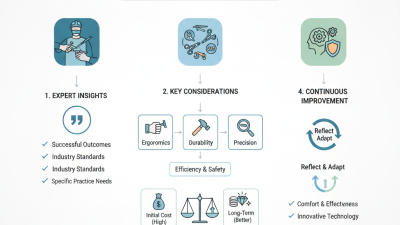
Selecting implant instruments involves understanding their diverse functions and quality standards. Not all tools are created equal. For example, some instruments come from trusted manufacturers while others do not. Buyers should scrutinize the materials and ergonomic design. Durability and precision are key factors that can affect surgical success.
Healthcare professionals must keep up with trends in implant technology. Even experienced surgeons may overlook the importance of proper instrument selection. The consequences can be significant, such as prolonged recovery times or even surgical failure. Investing time in understanding what makes the best implant instruments can lead to improved patient outcomes.
Table of Contents
[Hide]
Definition and Overview of Implant Instruments
Implant instruments are essential tools used in dental and orthopedic procedures. These instruments help practitioners place and secure implants effectively. The global dental implant market is projected to reach USD 10.5 billion by 2026, reflecting the growing importance of quality instruments in this field. As surgical techniques evolve, the demand for advanced implant instruments increases. Professionals often face the challenge of choosing the right tools that offer precision and reliability.
Choosing implant instruments requires understanding their various types and functions. Basic components include drills, implant drivers, and surgical guides. For example, a study revealed that using precise drills can increase the success rate of implant placements by up to 30%. However, not all instruments are created equal. Practitioners must consider factors such as ergonomics, material quality, and ease of sterilization. Inadequate tools can lead to complications, emphasizing the need for proper selection.
Moreover, technology plays a vital role in the development of implant instruments. Innovations like digital scanning and 3D printing offer new avenues for custom instrument design. While these advancements enhance success rates, they also come with risks. For instance, not all practitioners may be trained to use sophisticated tools effectively. Therefore, continuous education and adaptation to new technologies become crucial. Overall, the importance of choosing the right implant instruments cannot be overstated.
What is Implant Instruments and How to Choose the Best? - Definition and Overview of Implant Instruments
| Instrument Type | Description | Material | Common Uses | Tips for Selection |
|---|---|---|---|---|
| Implant Drill | Used to create a precise opening for the dental implant placement. | High-speed steel or titanium. | Dental implant surgery. | Ensure it has the correct size and cutting type for the implant system. |
| Implant Wrench | Used for tightening or loosening implants during procedures. | Stainless steel. | Dental implant and abutment installation. | Opt for ergonomic designs for better handling. |
| Bone Graft Instruments | Instruments for harvesting or placing bone graft materials. | Titanium, stainless steel. | In cases needing bone augmentation. | Choose instruments that are easy to clean and sterilize. |
| Surgical Scissors | Used for cutting soft tissues during implant surgery. | Stainless steel. | Soft tissue procedures. | Select scissors with comfortable grips and appropriate blade types. |
Related Posts
-
Top 10 Implant Surgical Instruments You Need for Successful Procedures?
-

China Top Implant Instruments for Dental and Medical Applications?
-

2026 Best Medical Tools for Healthcare Professionals and Patients?
-
How to Choose the Right Medical Tools for Your Needs?
-
2026 How to Choose the Best Orthopedic Surgical Instruments for Your Practice?
-
Top Surgical Instruments You Need for Effective Medical Procedures?