Top Orthopedic Implants Instruments Suppliers Worldwide
Selecting reliable orthopedic implants instruments suppliers worldwide requires more than comparing catalog sizes or polished websites. Hospitals, distributors, and surgical teams need evidence of manufacturing discipline, product consistency, and responsive technical support. This introduction explores suppliers serving orthopedic procedures, including implant systems, fixation devices, surgical tools, and supporting instrumentation. It considers material quality, design capability, sterilization guidance, traceability, and documented quality systems. Details matter.
Experienced buyers often examine how suppliers handle inspection records, product updates, surgeon feedback, and urgent replacement requests. A dependable partner should communicate clearly about titanium alloys, stainless steel grades, packaging, shelf life, and compatibility requirements. Regulatory authorization also deserves careful review because approval pathways differ across countries. Certifications can support trust, but they do not replace independent due diligence. No supplier is perfect.
The companies discussed in this guide are assessed through practical criteria rather than promotional claims. These include manufacturing experience, technical expertise, geographic service coverage, quality assurance, and customer reliability. Public information may change, and some supplier data may remain incomplete. That limitation deserves acknowledgment. Readers should confirm current certifications, product registrations, clinical documentation, and local procurement requirements before making decisions. A strong supplier relationship is built gradually, through verified performance and transparent communication. This overview aims to make that evaluation more focused, realistic, and useful for healthcare professionals worldwide.

Definition and Scope of Orthopedic Implants and Instruments Suppliers
Top Orthopedic Implants Instruments Suppliers Worldwide
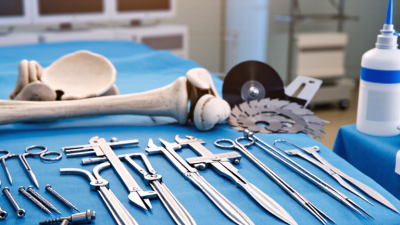
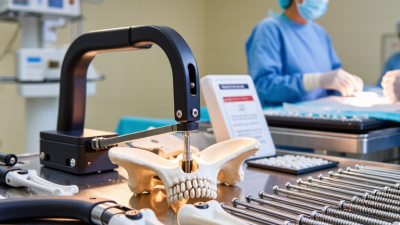
Orthopedic implants and instruments suppliers provide products that support bone repair, joint reconstruction, and trauma care. Their scope includes plates, screws, nails, joint components, surgical drills, cutting guides, retractors, and measurement tools. Some suppliers manufacture these products. Others distribute approved devices or provide specialized production services.
A reliable supplier should demonstrate practical experience with surgical workflows and material performance. Common materials include titanium alloys, stainless steel, cobalt-based alloys, and medical-grade polymers. Suppliers should also maintain documented quality systems, product traceability, inspection records, and controlled packaging processes. Clear technical files matter. So does responsive communication.
The strongest suppliers offer more than a catalog. They may provide instrument compatibility checks, surgical training materials, custom sizing support, and inventory planning. Their teams often work with hospitals, surgeons, engineers, and procurement departments. This cooperation can reveal problems before surgery, such as unclear markings or incomplete instrument sets. Small details matter.
The category is not perfectly uniform. A trading company may appear highly experienced without controlling production quality. That distinction deserves careful review. Buyers should examine manufacturing locations, inspection methods, sterilization information, complaint handling, and delivery records. Independent verification remains valuable, even when documents look complete. In practice, dependable supply depends on consistent quality, transparent evidence, and honest limits.
Top Orthopedic Implants Instruments Suppliers Worldwide
Definition and Scope of Orthopedic Implants and Instruments Suppliers
Orthopedic implants and instruments suppliers support the diagnosis and treatment of musculoskeletal conditions through products such as joint-replacement systems, trauma fixation devices, spinal implants, surgical tools, and navigation equipment. The chart shows the estimated global population affected by major conditions within the clinical scope of orthopedic care.
Source: World Health Organization (WHO). Values are rounded estimates in millions; reporting years vary by condition. These figures describe clinical need and are not supplier sales data.
Key Product Categories in the Global Orthopedic Supply Market
Global orthopedic supply begins with product categories, not impressive catalogs. Suppliers commonly provide trauma fixation plates, screws, intramedullary nails, joint replacement components, spinal systems, and surgical instruments. Each category supports a different clinical workflow. Plates need contour options and stable locking interfaces. Nails require accurate diameter ranges and compatible targeting tools. Instruments must feel balanced in the surgeon’s hand. Small details matter.
Joint replacement portfolios include hip stems, acetabular cups, knee trays, liners, and trial components. Spinal categories often cover cages, rods, screws, and navigation-compatible tools. Materials may include titanium alloys, cobalt-chromium, stainless steel, or advanced polymers. A credible supplier should provide technical files, material certificates, sterilization guidance, and lot-level traceability. Procurement teams should check dimensional consistency, packaging integrity, and training support. A polished website proves little.
Worldwide sourcing becomes practical when suppliers explain lead times, minimum order quantities, customs documents, and instrument replacement plans. In my experience, sample evaluation reveals issues hidden in brochures: rough edges, unclear markings, or awkward tray layouts. No catalog is perfect. Buyers should record these findings and request corrective evidence. Surgeon feedback and independent quality audits deserve equal attention. We sometimes overvalue low pricing, while unreliable components consume far more time.
Leading Regions and Supplier Profiles Worldwide
North America remains a major hub for orthopedic implant and instrument suppliers. Grand View Research estimates the regional orthopedic devices market exceeded USD 25 billion in 2023. Suppliers here often provide trauma plates, joint replacement systems, surgical drills, and sterilization-ready instrument trays. Their profiles usually show mature quality systems, extensive surgeon training, and strong hospital contracts. However, high labor costs can raise purchasing prices.
Europe combines specialized engineering with strict medical-device oversight. A 2024 report by Fortune Business Insights valued the global orthopedic devices market at more than USD 55 billion. Germany, Switzerland, France, and Italy support many precision instrument manufacturers and contract suppliers. European companies commonly emphasize titanium processing, reusable instruments, traceability, and clinical documentation. Smaller suppliers may offer excellent customization, but limited production capacity can affect delivery schedules.
Asia-Pacific is the fastest-changing supply region. MarketsandMarkets projects the orthopedic devices market will grow strongly through 2028, supported by hospital expansion and rising surgical demand. China, Japan, South Korea, and India supply implants, power tools, surgical sets, and precision components. Supplier profiles vary widely. Some operate advanced automated factories, while others still depend on manual inspection. That difference matters. Buyers should verify ISO 13485 certification, material testing, sterilization validation, complaint records, and local regulatory registration. Reports provide useful market direction, but they cannot replace factory audits or surgeon feedback. Data can look precise, yet supplier performance remains uneven.
Industry Standards, Innovation, and Future Market Trends
Orthopedic implant instrument suppliers worldwide are facing stricter expectations than ever. Hospitals now assess more than price, delivery speed, and product range. They examine material traceability, sterilization compatibility, ergonomic design, and documented quality systems. Reliable suppliers can explain how instruments move from raw steel to operating-room use. That process should include dimensional inspection, cleaning validation, packaging controls, and batch records.
Industry standards are shaping daily purchasing decisions. Instrument interfaces must support accurate implant placement and consistent surgical technique. Small details matter, including handle balance, surface finish, laser markings, and resistance to repeated sterilization cycles. Digital inspection tools are improving measurement accuracy, while simulation platforms help surgeons test instrument workflows before clinical use. Still, innovation is not automatically useful. A complex instrument may slow preparation or increase training demands. Practical feedback from operating rooms remains essential.
The future market will likely favor suppliers with flexible manufacturing and transparent data. Hospitals may request carbon reporting, regional inventory, and faster replacement services. Connected instruments could provide usage records, but cybersecurity and data ownership require careful attention. Some forecasts appear overly optimistic. Adoption often takes longer than expected because procurement teams need evidence, not promises. Suppliers that combine engineering expertise, clinical experience, and responsive technical support will be better prepared for changing standards. Reliability is built through repeatable performance, not impressive language.