
- Hospital Furniture
- Neonatal Care Product
- Operating Surgical Tables
- Orthopedic Implants
- Surgical Operating Led Lights
- Orthopedic External Fixators
- Laryngoscopes
- Orthopaedic Power Tools
- Medical Disposables
- Hospital Clothing
- Anaesthesia Products
- Autoclaves & Sterilizers
- Hospital Holloware
- Suction Units
- Rehabilitation Aids
- Stethoscopes
- Anesthesia Machine & Ventilators
- Cold Chain Equipment
- Electro Medical Equipments
- Orthopedic Instruments
- Surgical Operating Led Lights
- Physiotherapy products
Top 10 Types of Medical Tools for Global Buyers
Choosing the right medical tools is rarely a simple catalogue exercise. Global buyers must compare clinical purpose, material quality, certification, usability, maintenance, and total cost. A stainless-steel surgical instrument may look reliable, yet its hinge can loosen after repeated sterilization. A digital thermometer may be accurate in testing, but difficult batteries and unclear alarms can frustrate busy clinics.
This guide, “Top 10 Types of Medical Tools for Global Buyers,” examines equipment through practical purchasing questions. Which tools support diagnosis? Which improve treatment accuracy? Which remain dependable in rural facilities, emergency rooms, and high-volume hospitals? Dr. Atul Gawande, surgeon and healthcare quality expert, wrote, “Better is possible. It does not take genius. It takes diligence.” His words apply strongly to medical tools procurement. Careful selection often matters more than impressive packaging.
Reliable buying also requires evidence. Buyers should review product specifications, quality-management documentation, user instructions, warranty terms, spare-part access, and supplier responsiveness. Independent clinical feedback can reveal problems that brochures omit. No checklist removes every uncertainty. That is an uncomfortable truth. A low-priced device may create hidden costs through repairs, training, or inaccurate readings. Conversely, the most advanced tool may be excessive for a small clinic with limited technical support.
The following overview focuses on widely used categories, from diagnostic instruments and monitoring devices to surgical, dental, laboratory, and rehabilitation equipment. It aims to help international buyers ask sharper questions, identify credible suppliers, and match each tool with real healthcare conditions. Procurement is not only about purchasing equipment. It is about protecting patient care, staff confidence, and long-term service continuity.
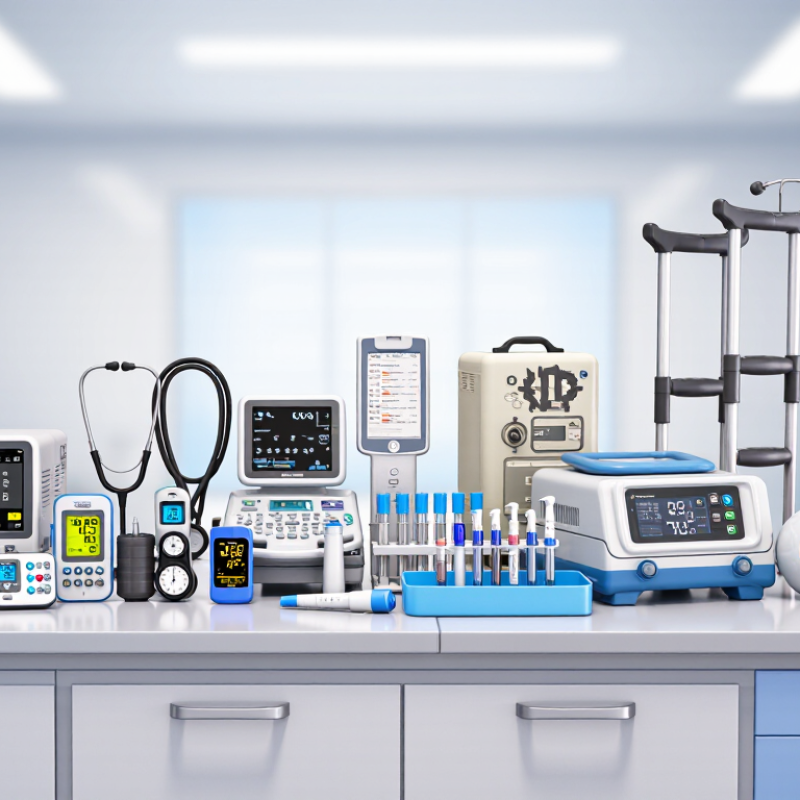
Table of Contents
[Hide]
What Medical Tools Are and How Global Buyers Use Them
Medical tools are instruments designed to prevent, detect, monitor, treat, or support patient care. They range from thermometers and blood pressure monitors to surgical instruments, diagnostic devices, laboratory equipment, rehabilitation aids, and sterilization tools. Each type has a different purpose, risk level, maintenance need, and training requirement. That distinction matters. A device that looks simple may still affect important clinical decisions.
Global buyers use medical tools according to local needs, facility size, and patient volume. Hospital procurement teams usually check intended use, measurement accuracy, material safety, cleaning methods, packaging, and expected service life. They also review quality certificates, calibration records, instructions, and traceability documents. Local registration rules must be confirmed before purchase. A supplier should explain installation, user training, spare parts, and technical support clearly. Missing documents can delay customs clearance or create problems during inspection.
On a busy ward, a monitor must be easy to read, clean, and operate with gloves. In a rural clinic, battery life and transport durability may matter more than advanced features. Small details count. A loose connector, unclear alarm, or weak carrying case can interrupt care. Low prices may attract buyers, but total ownership costs often tell a different story. Some teams focus too heavily on specifications and overlook workflow. That assumption needs questioning. Even experienced purchasers can miss compatibility issues between equipment, power systems, and sterilization procedures. Careful trials and feedback from nurses, technicians, and clinicians often reveal practical weaknesses before large orders are placed.
Top 10 Types of Medical Tools for Global Buyers - What Medical Tools Are and How Global Buyers Use Them
| No. | Medical Tool Type | What It Is | Primary Function | Typical Users | Common Applications | Reusable or Single-Use | Key Buying Considerations |
|---|---|---|---|---|---|---|---|
| 1 | Diagnostic Imaging Equipment | Equipment that creates images of internal body structures using methods such as ultrasound, X-ray, computed tomography, or magnetic resonance imaging. | Supports the detection, evaluation, and monitoring of disease or injury. | Radiologists, physicians, sonographers, and imaging technicians. | Fracture assessment, obstetric imaging, tumor evaluation, emergency diagnosis, and disease follow-up. | Reusable equipment; some accessories may be disposable. | Image quality, electrical requirements, room size, radiation protection where applicable, service support, staff training, and regulatory clearance. |
| 2 | Patient Monitoring Devices | Electronic devices that measure and display physiological parameters in real time or at regular intervals. | Tracks vital signs and alerts clinical staff to significant changes. | Nurses, physicians, emergency teams, and intensive-care staff. | Monitoring heart rate, blood pressure, oxygen saturation, respiratory rate, and temperature. | Reusable monitor; sensors, cuffs, and electrodes may be disposable or reusable. | Parameter accuracy, alarm performance, battery life, connectivity, cleaning requirements, and compatibility with local power systems. |
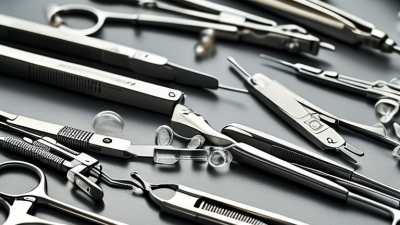
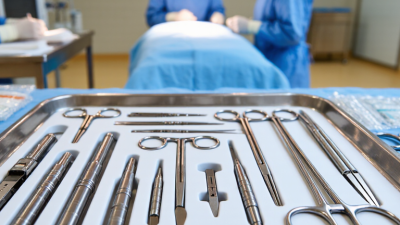
| 3 | Surgical Instruments | Manual or powered instruments used to cut, grasp, hold, dissect, retract, close, or manipulate tissue during procedures. | Enables controlled surgical access and tissue handling. | Surgeons, operating-room nurses, and surgical technicians. | General surgery, orthopedics, gynecology, ophthalmology, and minimally invasive procedures. | Many are reusable; some cutting, closure, or specialty items are single-use. | Material quality, corrosion resistance, precision, ergonomic design, sterilization method, maintenance, and traceability. |
| 4 | Infusion and Syringe Pumps | Programmable devices that deliver fluids, medicines, nutrients, or blood products at controlled rates. | Provides accurate and continuous or intermittent fluid delivery. | Nurses, anesthetists, pharmacists, and critical-care teams. | Medication administration, intravenous hydration, neonatal care, anesthesia, and nutritional support. | Reusable pump; tubing, syringes, and administration sets are generally single-use. | Flow-rate accuracy, occlusion detection, alarm systems, battery operation, software safety, compatible consumables, and calibration. |
| 5 | Respiratory Care Equipment | Devices that support breathing, deliver oxygen, or help assess respiratory function. | Improves oxygen delivery, ventilation, airway management, or respiratory assessment. | Respiratory therapists, physicians, nurses, emergency responders, and home-care users. | Respiratory failure, chronic lung disease, anesthesia, emergency care, and sleep-related breathing disorders. | Main device is reusable; masks, circuits, filters, and tubing may be disposable or replaceable. | Oxygen concentration, pressure and flow accuracy, humidification, backup power, infection control, noise level, and maintenance. |
| 6 | Laboratory Diagnostic Equipment | Instruments and analyzers used to examine blood, urine, tissue, and other clinical specimens. | Generates analytical results used for diagnosis, screening, and treatment decisions. | Medical laboratory scientists, technicians, pathologists, and clinicians. | Blood chemistry, hematology, microbiology, immunology, molecular testing, and point-of-care testing. | Analyzer is reusable; reagents, sample containers, tips, cartridges, and slides are often single-use. | Analytical accuracy, throughput, sample volume, reagent stability, calibration, quality control, operating environment, and local test registration. |
| 7 | Sterilization and Disinfection Equipment | Equipment and systems used to remove or destroy microorganisms on instruments, surfaces, and medical devices. | Reduces the risk of healthcare-associated infection and prepares reusable devices for safe use. | Central sterile-service staff, nurses, dental teams, laboratory staff, and infection-control personnel. | Reprocessing surgical instruments, dental instruments, laboratory equipment, and clinical surfaces. | Equipment is reusable; packaging, indicators, chemicals, and some filters are consumable. | Validated cycle performance, temperature and pressure control, load capacity, water quality, safety features, documentation, and staff training. |
| 8 | Dental Instruments and Equipment | Specialized hand instruments, rotary tools, imaging systems, and treatment equipment used in oral healthcare. | Supports examination, prevention, restoration, extraction, cleaning, and oral surgery. | Dentists, dental hygienists, dental assistants, and oral surgeons. | Caries treatment, periodontal care, tooth restoration, endodontics, orthodontics, and oral surgery. | Many instruments are reusable; needles, barriers, cups, tips, and some accessories are single-use. | Instrument precision, handpiece speed, sterilization compatibility, water and air requirements, ergonomics, spare parts, and consumable availability. |
| 9 | Rehabilitation and Mobility Devices | Devices designed to assist movement, physical recovery, balance, strength, or daily activities. | Improves mobility, function, independence, and recovery after illness or injury. | Physiotherapists, occupational therapists, rehabilitation physicians, caregivers, and patients. | Post-surgical recovery, neurological rehabilitation, musculoskeletal therapy, disability support, and elderly care. | Usually reusable; pads, straps, liners, and hygiene accessories may require replacement. | Patient fit, adjustability, load capacity, safety, portability, cleaning, durability, training requirements, and after-sales servicing. |
| 10 | Personal Protective Equipment | Protective clothing and accessories that reduce exposure to infectious agents, chemicals, bodily fluids, or physical hazards. | Creates a barrier between healthcare workers, patients, and hazardous materials. | Healthcare workers, laboratory staff, emergency responders, cleaners, and caregivers. | Patient examination, surgery, specimen handling, isolation care, laboratory work, and environmental cleaning. | Many items are single-use; some gowns, face shields, and eye protection may be reusable if designed for reprocessing. | Protection level, fit, material performance, breathability, splash resistance, size range, packaging, storage conditions, and applicable conformity requirements. |
Note: Product classification, registration, labeling, and conformity requirements vary by destination market. Global buyers should verify applicable national regulations, technical documentation, quality-system evidence, and post-market support before purchase.
Related Posts
-
What is Chirurgical Instruments and How to Source Them?
-

China Top Medical Device Instruments for Healthcare Innovation?
-
China Best All Surgical Instruments for Quality and Precision?
-
Top Surgical Instruments You Need for Effective Medical Procedures?
-
2026 Top Surgery Instruments Types for Global Buyers?
-
What Is a Surgical Instrument Set for Global Buyers?