
- Hospital Furniture
- Neonatal Care Product
- Operating Surgical Tables
- Orthopedic Implants
- Surgical Operating Led Lights
- Orthopedic External Fixators
- Laryngoscopes
- Orthopaedic Power Tools
- Medical Disposables
- Hospital Clothing
- Anaesthesia Products
- Autoclaves & Sterilizers
- Hospital Holloware
- Suction Units
- Rehabilitation Aids
- Stethoscopes
- Anesthesia Machine & Ventilators
- Cold Chain Equipment
- Electro Medical Equipments
- Orthopedic Instruments
- Surgical Operating Led Lights
- Physiotherapy products
China Top 10 Orthopedic Implants and Instruments Suppliers
China’s orthopedic market is shaped by rising demand for joint reconstruction, trauma care, and dependable surgical tools. The World Health Organization estimates that 1.71 billion people live with musculoskeletal conditions worldwide. This broad health burden helps explain the need for implants and instruments that support safe, consistent procedures.
Market estimates provide useful context, but their scope matters. Grand View Research valued the global orthopedic implants market at approximately US$48.9 billion in 2023 and projected continued growth through 2030. That figure covers a broad global market; it should not be read as revenue for Chinese suppliers alone. Professor Anthony Woolf and Dr. Bruce Pfleger described musculoskeletal conditions as “the most common cause of severe long-term pain and physical disability” in their WHO-linked review. Their observation highlights the clinical need behind the market, not a guarantee that any product will improve outcomes.
This guide examines ten suppliers serving China’s orthopedic implants and instruments sector. It considers product range, manufacturing capabilities, quality credentials, and documented market presence. A polished catalog is not enough. Buyers should verify current certifications, material specifications, traceability, and after-sales support directly with each company. Supplier information can change, and public profiles may leave gaps. That uncertainty deserves attention. The comparison is a starting point for research, not a substitute for clinical, regulatory, or procurement review.
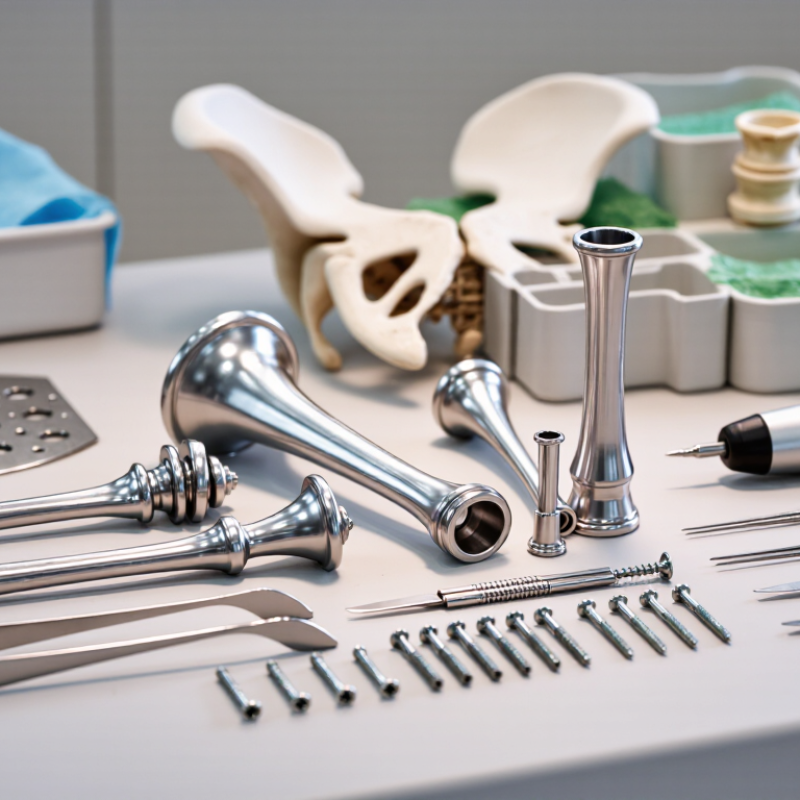
Table of Contents
[Hide]
The Orthopedic Implants and Instruments Industry in China
China’s orthopedic implants and instruments industry is shaped by hospital demand, local manufacturing capacity, and expectations for clinical evidence. Products range from trauma plates and screws to joint replacements, spinal systems, and the tools used to position them. For buyers, specifications are only part of the decision. Surgeons also assess instrument handling, implant fit, sterilization compatibility, and technical support. Precision matters.
Manufacturers invest in machining, surface treatment, materials testing, and process controls. A reliable supplier should document material origin, dimensional inspection, batch traceability, and cleaning or sterilization instructions. Hospitals and distributors may review registration status, clinical data, complaint handling, and delivery consistency before procurement. These checks help separate a polished catalogue from dependable operating-room performance. But gaps remain.
China’s market includes established production clusters and a broad network of component and instrument makers. Domestic capabilities are expanding, while product quality and evidence depth can still vary between suppliers. That variation deserves careful review, not assumptions based on price or factory scale. Digital planning and patient-specific workflows are attracting attention, yet adoption depends on training, workflow fit, and credible outcomes. Some results remain uncertain. Suppliers that communicate limitations clearly may earn more trust than those promising universal results.
China Top 10 Orthopedic Implants and Instruments Suppliers - The Orthopedic Implants and Instruments Industry in China
This table presents ten anonymized supplier segments active in the orthopedic device supply chain, not a verified company ranking. Materials and standards shown are examples relevant to these product types; they do not imply that every supplier or product has a particular certification or registration.
| No. | Anonymized Supplier Segment | Typical Product Scope | Common Materials | Related Instruments | Relevant Technical References |
|---|---|---|---|---|---|
| 1 | Joint replacement implant supplier | Hip and knee replacement components, including femoral, acetabular, and tibial components | Titanium alloys, cobalt-chromium alloys, stainless steel, and ultra-high-molecular-weight polyethylene (UHMWPE) | Reamers, broaches, trials, alignment guides, and impactors | ISO 7206 series for hip-joint prostheses; ISO 14879-1 for endurance testing of knee tibial trays; ISO 5832 series for specified implant metals |
| 2 | Trauma fixation implant supplier | Bone plates, screws, intramedullary nails, and related fracture-fixation components | Implant-grade stainless steel and titanium alloys | Drill guides, depth gauges, screwdrivers, plate benders, and targeting instruments | ISO 5832-1 covers implant-grade stainless steel; ISO 5832-3 covers wrought titanium-6-aluminium-4-vanadium alloy |
| 3 | Spinal implant supplier | Pedicle screw-rod systems, interbody devices, and spinal fixation components | Titanium alloys, stainless steel, and polymer materials such as PEEK in applicable device designs | Screwdrivers, rod holders, trial spacers, distractors, and insertion instruments | ISO 13485 addresses medical-device quality management systems; device-specific requirements and testing depend on the product |
| 4 | Sports medicine implant supplier | Anchors and fixation devices used in ligament, tendon, and soft-tissue procedures | Titanium alloys, stainless steel, and selected absorbable or polymer materials | Insertion drivers, guide wires, suture passers, and tensioning instruments | Material and performance requirements vary with device design and intended use; risk management is addressed by ISO 14971 |
| 5 | External fixation system supplier | External fixation frames, clamps, connecting rods, and fixation pins | Stainless steel, titanium alloys, and aluminum alloys for applicable external components | Pin drivers, clamps, wrenches, cutting tools, and frame assembly instruments | Product-specific mechanical testing and applicable medical-device regulatory requirements depend on intended use and configuration |
| 6 | Maxillofacial fixation supplier | Small plates, screws, and fixation systems for facial and craniofacial applications | Titanium and implant-grade stainless steel; material selection depends on the intended application | Small-joint drivers, plate contouring tools, drill guides, and depth gauges | ISO 5832-1 and ISO 5832-3 specify requirements for particular implant metal materials |
| 7 | Orthopedic surgical instrument supplier | Reusable instruments for bone preparation, implant insertion, and alignment | Instrument-grade stainless steel and other materials selected for the instrument’s function | Retractors, forceps, osteotomes, rasps, mallets, and measuring instruments | ISO 7153-1 specifies metals used for surgical instruments; cleaning, sterilization, and reuse instructions are device-specific |
| 8 | Powered orthopedic tool supplier | Powered systems and attachments used for bone cutting, drilling, or reaming | Materials vary by component; patient-contacting parts require evaluation for their intended use | Drills, saws, reamers, handpieces, and compatible accessories | Applicable electrical safety and performance requirements depend on the equipment type and intended clinical environment |
| 9 | Bone graft and orthopedic biomaterial supplier | Selected bone void fillers and materials used in orthopedic procedures | Material composition varies and may include synthetic calcium-phosphate-based or other specified biomaterials | Mixing, delivery, or placement instruments where supplied as part of the product system | Composition, biological evaluation, and product-specific regulatory requirements depend on the material and intended use |
| 10 | Contract manufacturing and OEM supplier | Manufacturing services for orthopedic implants, components, and surgical instruments to customer specifications | Materials are selected according to the customer’s design, technical specifications, and applicable requirements | Manufacturing, inspection, and assembly tooling; clinical instruments may be included under a customer-controlled design | ISO 13485 is a medical-device quality management system standard; applicable Chinese registration and compliance duties depend on the product and regulatory role |
Related Posts
-
What Are the Top Orthopedic Implants for Global Buyers?
-
Why Choose Quality Orthopedic Surgical Supplies?
-
2026 Top Surgical Instruments You Need to Know About?
-

What is Implant Instruments and How to Choose the Best?
-

2026 Best Medical Tables for Global Buyers to Consider
-

China Top Implant Instruments for Dental and Medical Applications?