What Is All Surgical Instruments Used For?

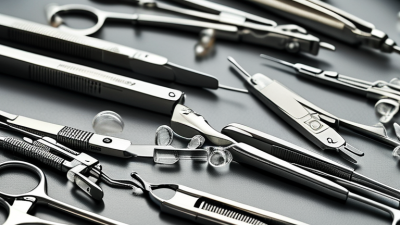
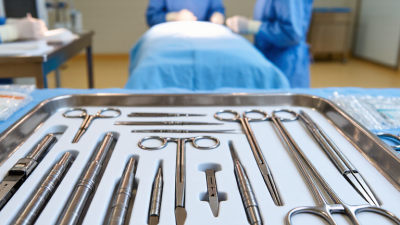
All surgical instruments serve a specific purpose during examination, tissue handling, repair, or closure. A scalpel creates a controlled incision. Scissors cut tissue, sutures, or dressings. Forceps hold delicate structures, while retractors keep an operating field visible. Clamps control bleeding or temporarily secure vessels. Needles and needle holders support accurate wound closure. Each tool has a different shape, grip, strength, and level of precision.

The purpose is not only cutting.

In clinical practice, surgeons choose instruments according to the procedure, tissue condition, and patient risk. A fine forceps may protect fragile blood vessels, while a stronger clamp may secure thicker tissue. Nurses and sterile processing professionals also inspect, clean, sterilize, and arrange these tools before use. Small details matter. A damaged hinge or dull edge can affect control and safety.

This article explains what all surgical instruments are used for, from common operating-room tools to specialized devices. It will connect each instrument with its practical role, not merely provide a long equipment list. Terminology and usage can vary between surgical specialties and hospitals. That variation deserves attention. No instrument should be selected, handled, or reused without appropriate professional training and validated sterile procedures. Even experienced teams review their setup, because assumptions can create avoidable errors. A complete explanation is useful, but it cannot replace clinical judgment, institutional protocols, or direct supervision.
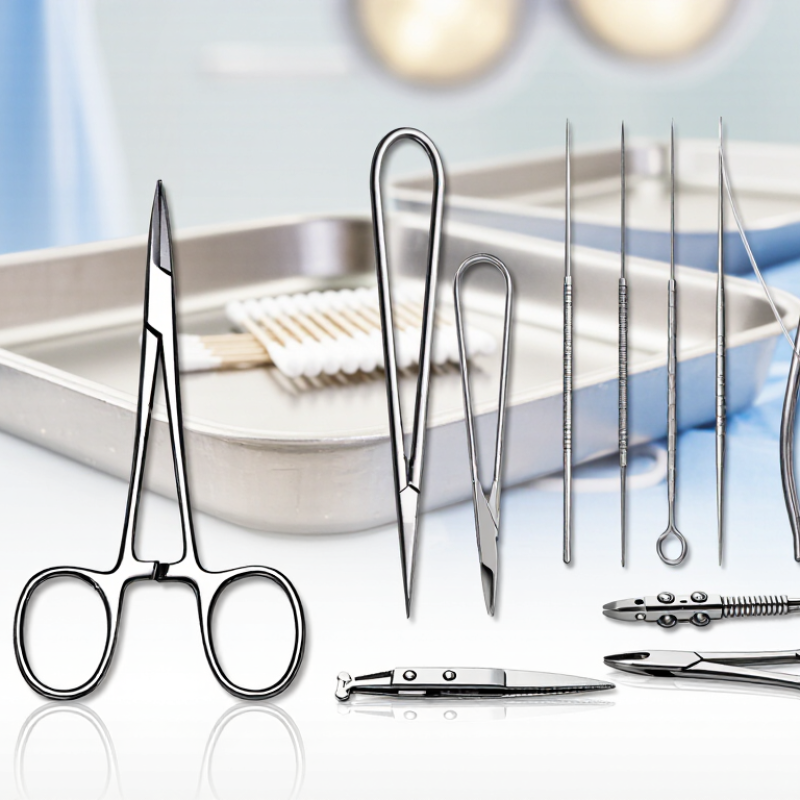
What Is All Surgical Instruments Used For?

Surgical Instruments: Definition, Purpose, and Main Categories

Surgical Instruments: Definition, Purpose, and Main Categories

Surgical instruments are specialized tools used to examine, cut, hold, separate, repair, or remove tissue during medical procedures. Their design supports precise movement while limiting unnecessary tissue damage. A scalpel makes controlled incisions, while scissors may divide tissue or sutures. Forceps help clinicians grasp delicate structures without using fingers directly. Small differences matter.

The main categories include cutting and dissecting instruments, grasping and holding instruments, retractors, clamps, suction devices, and closure tools.

Retractors gently move tissue aside, improving visibility around the operative field. Clamps temporarily control bleeding or hold a structure in position. Suction instruments remove blood and fluid, keeping the site clearer. Needle holders guide suturing needles through tissue with controlled pressure.

Instrument choice depends on the procedure, tissue type, surgical approach, and the clinician’s training. In an operating room, each tool should be checked for cleanliness, function, alignment, and damage before use. Sterile processing also requires validated cleaning, inspection, packaging, and sterilization procedures. A familiar instrument can still cause harm when selected poorly or handled carelessly. That point deserves more attention. Names and classifications may also vary between hospitals, specialties, and educational references. Reliable practice therefore combines technical knowledge, supervised experience, current clinical guidance, and careful communication among the surgical team.

How Surgical Instruments Support Different Stages of an Operation

Surgical instruments do more than cut and close tissue. They support each stage of an operation. Before incision, sterile trays, instrument counts, and inspection checks protect procedural control. A scalpel or electrosurgical pencil then creates access. Retractors maintain visibility while suction removes blood and fluid. The World Health Organization estimated 234 million major operations worldwide each year in its 2009 Safe Surgery report. That scale makes small preparation errors significant.

During tissue handling, forceps provide a controlled grip without unnecessary trauma. Clamps help control bleeding, while scissors separate tissue with greater precision. Needle holders guide sutures through firm or delicate structures. Specimen containers preserve removed tissue for laboratory examination. These tools are simple in appearance. Their timing is not. In many procedures, the wrong clamp size can delay hemostasis or obstruct the surgeon’s view.

At closure, surgeons use needle holders, forceps, and scissors to rebuild tissue layers. Counts also confirm that sponges and instruments have left the operative field. A WHO-led study across eight hospitals reported complications falling from 11% to 7% after a surgical safety checklist. Inpatient deaths decreased from 1.5% to 0.8% (Haynes et al., New England Journal of Medicine, 2009). Instruments supported that workflow, but they did not replace judgment. A tray can look complete and still contain the wrong size. A familiar setup may deserve another review. That imperfection should remain visible.

What Are Surgical Instruments Used For?

How surgical instruments support different stages of an operation

Surgical instruments are selected according to the task required at each stage of an operation. Cutting and dissecting instruments create access, retractors improve visibility, graspers hold tissue, hemostatic instruments control bleeding, and needle holders support wound closure. The chart shows representative instrument-function counts for a common open general-surgery workflow; exact instrument trays vary by procedure and clinical setting.

Common Cutting, Grasping, Clamping, and Retracting Instruments

Surgical instruments are specialized tools that help clinicians perform precise, controlled procedures. Their design reflects the tissue involved, the depth of access, and the amount of force required. In clinical practice, choosing the correct instrument can reduce tissue trauma and improve visibility. Small differences matter.

Cutting instruments include scalpels, surgical scissors, and bone-cutting tools. Scalpels create clean skin or tissue incisions, while scissors divide tissue, sutures, or dressings. Sharp blades should move with deliberate pressure, not force. A dull edge can crush tissue instead of separating it. This detail is easy to overlook.

Grasping instruments hold tissue, needles, or small materials during a procedure. Some have delicate jaws for soft tissue, while others provide a firmer grip for tougher structures. Clamping instruments compress blood vessels, tubing, or tissue to control flow and maintain a clear field. Their ratchets help maintain pressure, but excessive force may cause damage. Retracting instruments gently hold an incision or organ aside, improving access and reducing the need for constant manual pressure. They may be handheld or self-retaining, depending on the procedure. Retraction is not simply pulling. It requires stable positioning and regular tissue checks. In reality, instrument selection is sometimes adjusted during surgery because anatomy, bleeding, or visibility does not follow the plan. That uncertainty deserves respect. Proper cleaning, inspection, sterilization, and handling also support reliable performance and patient safety.

Specialized Instruments for Examination, Repair, and Tissue Removal

Surgical instruments are designed for specific tasks, not merely displayed in a tray. During examination, clinicians use instruments to illuminate, hold, separate, or visualize tissue. A slender probe may assess an opening, while a retractor gently maintains access. The correct size matters; excessive pressure can bruise tissue or obscure the view. In a real procedure, visibility often changes within seconds. Good handling requires steady hands, clean technique, and a clear understanding of anatomy.

Repair instruments help surgeons grasp, align, suture, or control tissue with measured force. Needle holders stabilize a curved needle, while forceps provide delicate control near vessels or nerves. Scissors vary in shape and sharpness because cutting fascia differs from trimming fine tissue. Small differences matter. Familiar instruments still demand attention, especially when moisture, blood, or limited lighting affects grip. A tool that feels comfortable may not be appropriate for every patient.

Tissue-removal instruments include scalpels, curettes, rongeurs, and specialized graspers. Each should be selected according to tissue type, access, and the planned procedure. Removal should be precise, not forceful. Instruments must be inspected for alignment, cleanliness, and damage before use, then processed under approved infection-control protocols. No instrument is perfect. Unexpected resistance can reveal poor positioning, unsuitable selection, or a need to pause and reassess. Training, institutional procedures, and current clinical guidance remain essential.

How Surgical Instruments Are Selected, Handled, and Sterilized

What Is All Surgical Instruments Used For?

How Surgical Instruments Are Selected, Handled, and Sterilized

Surgical instruments support cutting, grasping, clamping, retracting, suturing, and examining tissue. Selection depends on the procedure, tissue type, access angle, and expected force. A delicate forceps should not replace a stronger clamp. The wrong instrument can crush tissue or damage a fine tip. Experienced teams also check box locks, serrations, insulation, and alignment before use.

Handling begins at the point of use. Staff should remove visible soil promptly and keep hinged instruments open during cleaning. Dried blood can hide inside a joint. The CDC Guideline for Disinfection and Sterilization classifies instruments entering sterile tissue as critical items. These items require sterilization, not simple surface disinfection. WHO global guidelines report that surgical site infections affect about 11% of patients in low- and middle-income countries.

In sterile processing, instruments are cleaned, rinsed, dried, inspected, packaged, and sterilized according to validated procedures. Steam is commonly used for heat-resistant devices. The manufacturer’s instructions remain essential for temperature, exposure time, and drying requirements. Chemical indicators show process exposure, while biological indicators provide stronger evidence of microbial inactivation. AAMI ST79 recommends documenting sterilizer cycles, load contents, and monitoring results.

This matters when a tray looks clean but its hinge remains stiff. Perfect compliance is difficult. A rushed inspection can still miss a damaged tip.

TOP